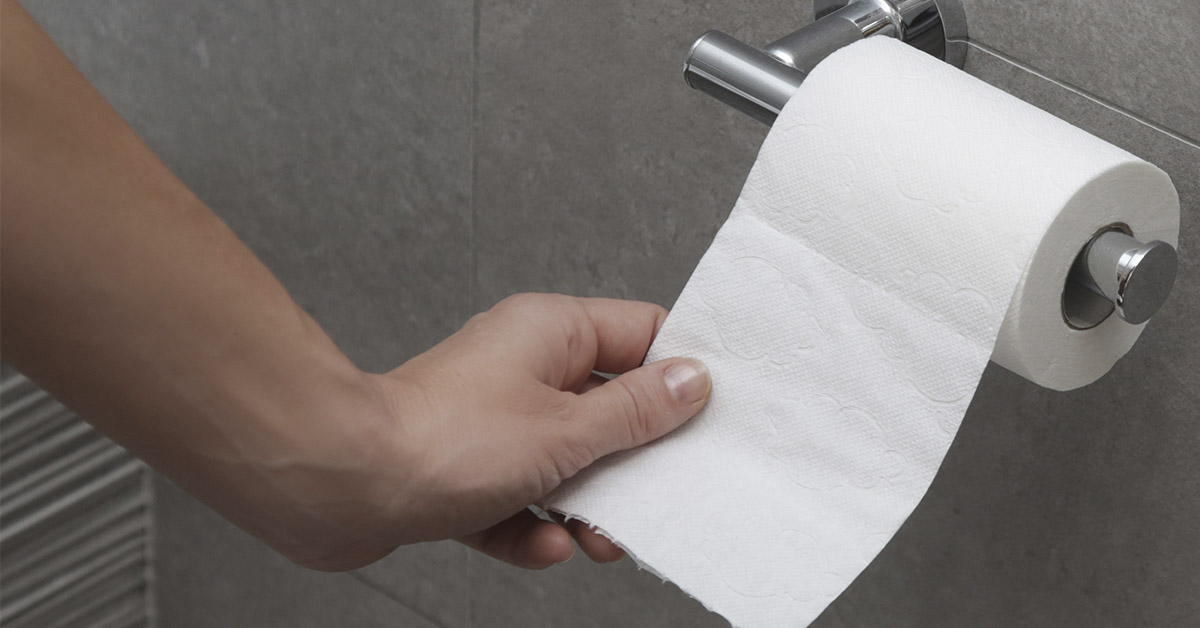

The great toilet paper debate predates viral discussions like “pineapple on pizza” and “the color of the dress.” Like the game Monopoly, it can tear families apart. It goes like this: What is the best way to hang toilet paper, with the roll facing forward or backward? You may be surprised at how passionately people argue about this. However, they may not be considering the TP itself. No matter how you hang it, you should smell toilet paper before using it, for an extremely important reason.
The Problem With Fragrances
Image Credit: Shutterstock
Researchers have spent years studying the health effects of fragrances, and the results so far aren’t rosy. Even people without allergies can have negative reactions to scented products, especially when applied to sensitive parts of the body. So sniffing toilet paper before use can protect you from potentially harmful outcomes. If it smells perfumed or “chemical-ly,” you may want to find another brand.
According to the FDA, companies are allowed to write “fragrance” as an umbrella term on their products. “Fragrance manufacturers aren’t mandated to list all the chemicals they use to make their perfumes on the product packaging,” says board-certified allergist Susan P. Raschal, DO, to Everyday Health. “This can make it difficult to identify the culprit for a reaction.” Even products labeled “unscented” or “fragrance-free” can still have fragrance components.
More Potential Skin Irritants
Image Credit: Shutterstock
Just as perfumes can trigger respiratory allergies, certain ingredients in topical products can cause skin irritations. Many dermatologists recommend people “patch-test” new skincare products to ensure there’s no reaction, especially if it’s intended for sensitive areas such as around the eyes or groin. Research has already discovered the negative effects of fragrance on female products, such as sanitary pads. Aside from potential allergies, fragrances can disrupt the pH of the vagina and lead to a yeast infection, said Jessica Shepherd, M.D., to Glamour.
Additionally, a 2010 study from the College of Family Physicians of Canada found that chronic vulvar irritations and infections could be caused by bleached toilet paper. In that study, the team found that formaldehyde is often used in paper towels, tissues, and TP to improve wet strength. At the same time, this chemical is a skin irritant, as are similar ingredients such as bleach (which may also be detected through a pre-use sniff test) Another common additive is chlorine, which is used as a disinfectant during the manufacturing process.
Forever Chemicals in Toilet Paper
However, fragrances, bleach, and formaldehyde aren’t the only concerning ingredients in toilet paper. Researchers are also finding PFAS, “forever chemicals,” which are per- and polyfluoroalkyl substances that are widely used in consumer products. They are called “forever chemicals” because they do not degrade or dissipate like organic chemicals. So they linger in the environment and the human body, where they post significant risks.
“PFAS have been linked to everything from elevated cholesterol levels and liver damage to fertility problems and cancer,” said Craig Butt, PhD, from the biomedical and environmental firm SCIEX, to Healthline. “…Furthermore, emerging epidemiological and toxicological studies are showing that there are no safe exposure levels to PFAS for humans, which indicates that even minuscule amounts of contamination can create significant issues.” As of now, scientists do not know the direct impact of using toilet paper with PFAS. However, a 2023 study has already noted how toilet paper containing PFAS may be contributing to groundwater contamination.
Read More: 16 Things You Should Never Flush Down the Toilet
Toilet Paper Recommendations
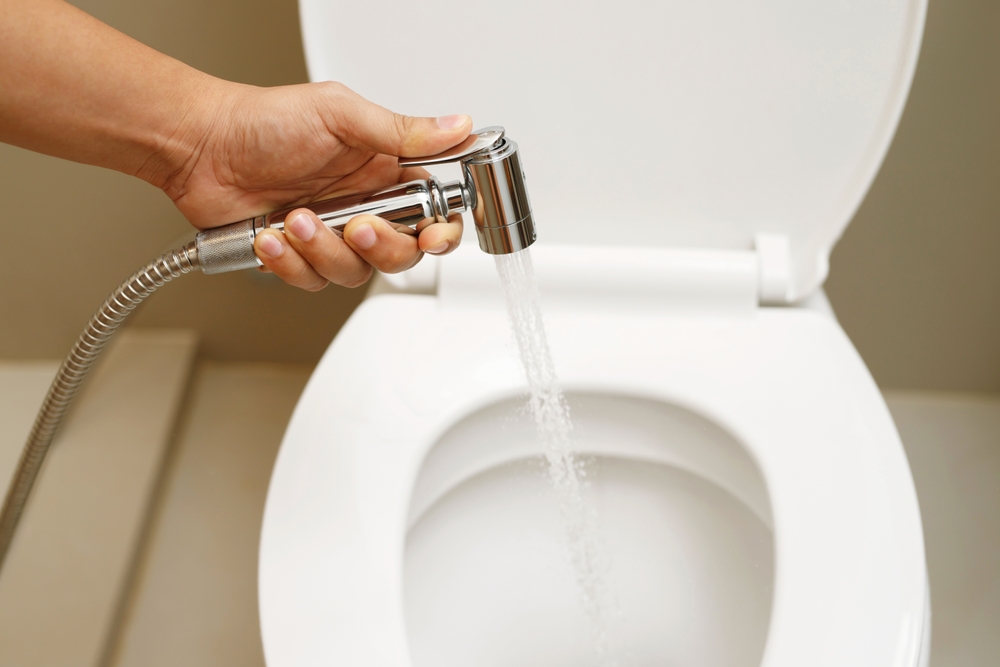
At the end of the day, toilet paper is for a personal function. So choose based on your personal needs, whether you are environmentally-conscious, sensitive to certain chemicals, have frequent plumbing issues, or want to skip toilet paper altogether.
- Most eco-friendly: Look for TP brands that are certified by the Forest Stewardship Council (FSC) or the Programme for the Endorsement of Forest Certification (PEFC). These labels indicate that the company uses sustainable resources and production methods.
- Most hypoallergenic: If you have sensitive skin, look for labels saying “hypoallergenic” or “dermatologist-tested.” Avoid printed, colored, scented, or chlorine-bleached rolls.
- Most plumbing-friendly: Some toilet papers disintegrate more easily than others, and slow-dissolving ones can cause clogs. So people with old toilets, bad pipes, or a septic tank may want to skip 3-ply toilet paper. One-ply is thinner and requires more squares to clean yourself, but it breaks down faster.
- Best toilet paper alternative: Bidets. They are essentially water fountains attached to the toilet, and they can eliminate the need for wiping, aside from a few squares to dry off. Some toilets come with a dryer, negating the need for TP entirely. As a bonus perk, cutting out toilet paper also means no more arguing if the roll should hang facing forward or backward.
Read More: 3 Reasons to Use Hydrogen Peroxide in Your Toilet (And Other Household Uses)