
Every day you board a plane, a flight attendant stands at the front of the cabin and walks you through what to do if everything goes wrong. Where the exits are. How to inflate your life vest. What to do if the cabin loses pressure. You have seen this so many times that you probably stopped watching years ago, which is a perfectly human response to information delivered on a loop. That briefing exists because of one specific afternoon in 1952 when 52 people died on a plane that everyone survived.
The wreck sat in total darkness nearly 2,000 feet beneath the Atlantic Ocean for 74 years. On July 21, 2026, searchers announced they had located the wreckage of Pan Am’s Clipper Endeavor, a Douglas DC-4 passenger aircraft that went down on April 11, 1952, just minutes after taking off from San Juan, Puerto Rico. The plane had been sitting on the ocean floor off Puerto Rico’s northern coast through every war, every moon landing, through the entire history of jet travel, through the invention of GPS and smartphones and autonomous underwater drones, the very technology that finally found it.
The crash itself lasted less than nine minutes from takeoff to ocean floor. The discovery took 74 years.
Good Friday, 1952: A Flight That Should Have Survived
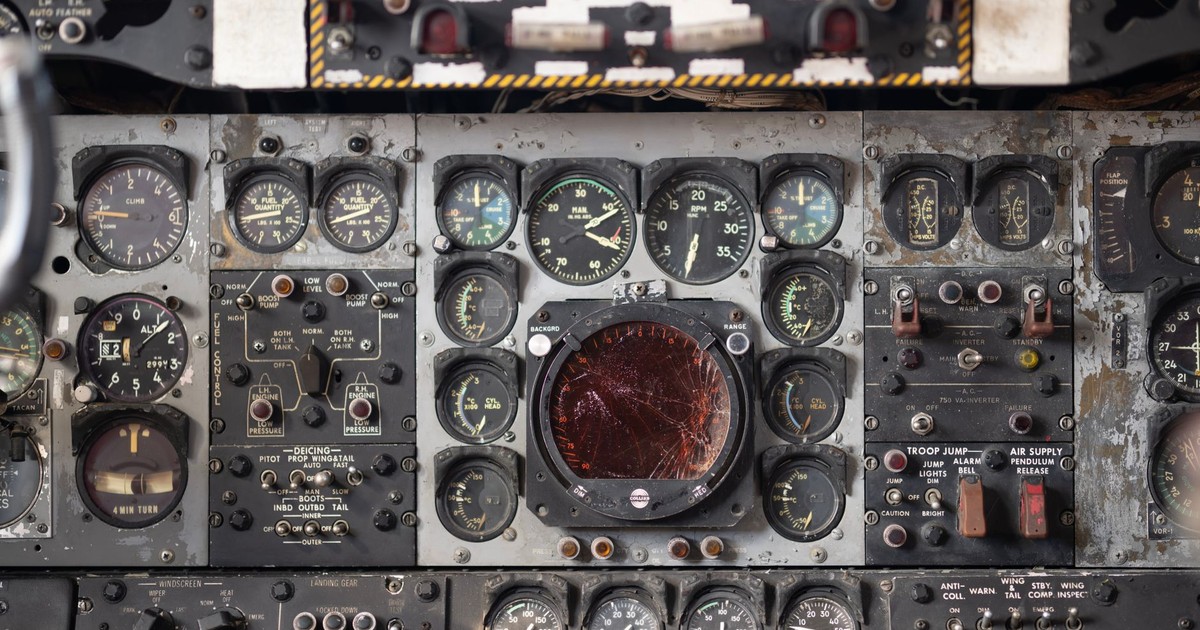
On Good Friday, April 11, 1952, the Clipper Endeavor departed San Juan’s Aeropuerto de Isla Grande bound for New York’s Idlewild Airport, carrying five crew members and 64 passengers. The aircraft was a Pan American World Airways Douglas DC-4, a four-engine propeller plane that was a workhorse of postwar commercial aviation.
At around 350 feet, engine number three failed. The pilots reversed their heading to return to San Juan Airport and managed to climb to 550 feet before engine number four failed as well. With two of its four engines gone on the same side of the aircraft, the pilot had no viable option left. The pilots ditched the DC-4 in the Atlantic roughly 11 miles northwest of San Juan, and the fuselage broke apart and sank in under three minutes.
Multiple engine failures forced the pilot to conduct a violent water landing. The impact sheared off the aircraft’s tail but left the main cabin intact. All people aboard initially survived. Every single person on that plane came through the crash breathing. What happened in the next three minutes killed 52 of them.
Three Minutes, No Instructions, No Way Out
No safety briefing had been provided. There was a significant language barrier and no coordinated evacuation procedure in place. Passengers faced chaos, confusion, and heavy seas as the aircraft flooded and sank in less than three minutes. According to CBS News, there was no one to tell them where the life vests were, no one who had explained what to do if the plane went down, no practiced procedure for the crew to execute. The 17 passengers and crew who survived told investigators everyone lived through the landing, but panic set in as many passengers struggled to find life vests and the crew had a hard time pulling out life rafts.
Survivors later recounted that many passengers lived through the ditching itself but panicked, refusing to board life rafts out of fear of the rough seas and sharks. They stayed on a sinking plane rather than face open water they hadn’t been prepared to face. The US Coast Guard and Air Force sprang into action to save 12 passengers and five crew members. The other 52 people aboard died. According to CNN, the two known survivors still alive today are a woman, now 102 years old, who was a nurse in her twenties and was instrumental in opening the aircraft door to let passengers out, and a baby who was found floating on the surface of the water and resuscitated by rescuers.
A 102-year-old woman who once pried open a cabin door on a sinking plane is still alive. She was told, 74 years later, that the wreck had finally been found.
The Briefing You No Longer Watch
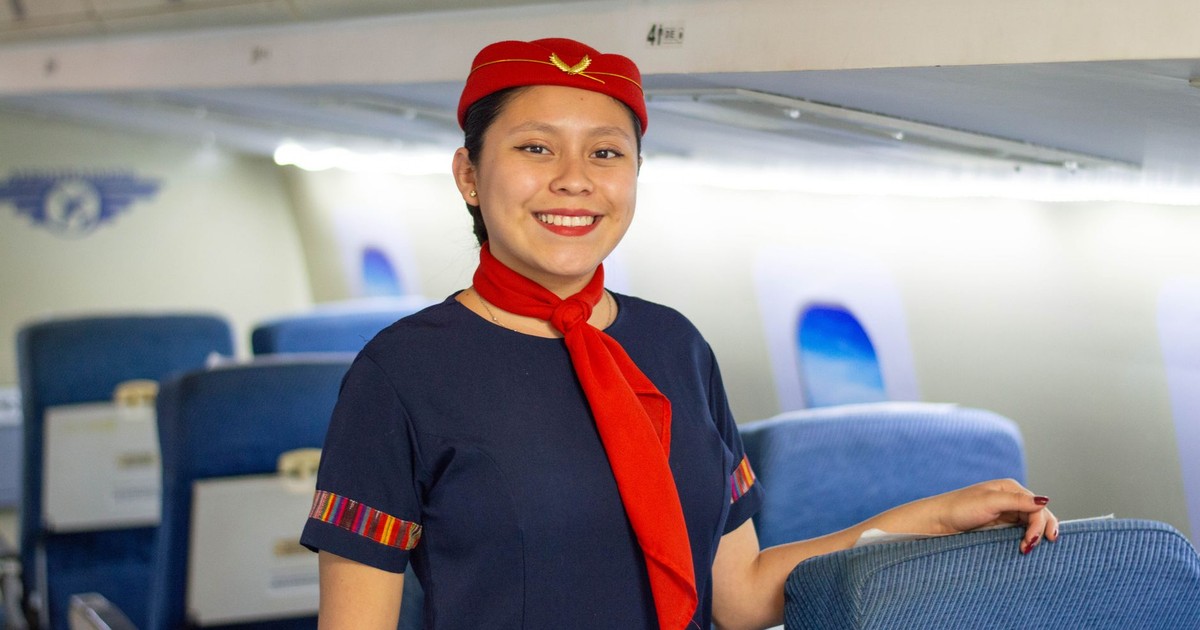
According to Gadget Review, mandatory preflight safety demonstrations originated directly from the 1952 Civil Aeronautics Board investigation. The Civil Aeronautics Board concluded what the survivors already made clear: people died because they didn’t know what to do and nobody had told them. The safety briefing that today’s passengers largely ignore while scrolling through their phones, the one that instructs passengers on exit locations, life vest inflation, and brace positions, is a direct legacy of that Good Friday afternoon.
Every airline in the world now follows a standard born from one flight that lasted nine minutes and killed 52 people who all survived the crash. The flight attendants demonstrating the seatbelt buckle in the front of the cabin are not performing a formality. They are honoring a lesson paid for in the worst possible way.
Josh Gates, the host of Discovery Channel’s Expedition Unknown, put it plainly when the discovery was announced: “Every time you step onboard an airplane today, you are safer because of what happened to Clipper Endeavor and her passengers three quarters of a century ago.”
Seven Years of Searching, One First Pass
According to the Air/Sea Heritage Foundation, in 2019, foundation president Russ Matthews began looking through scattered accident investigation reports and conducting several surveys off the coast of San Juan in connection with the Clipper Endeavor. The depth of the wreck, nearly 2,000 feet down, put it well beyond what earlier search technology could practically reach.
A collaboration with Gates for an episode of Expedition Unknown that aired in 2024 led them to find several clues that aided in the search, including a chart map created by U.S. Air Force pilots who witnessed the crash. That map, created by pilots who happened to be in the air when the Clipper Endeavor went down, gave the team a meaningful geographic anchor for the first time. The search area shrank from the vast Atlantic to something they could actually scan.
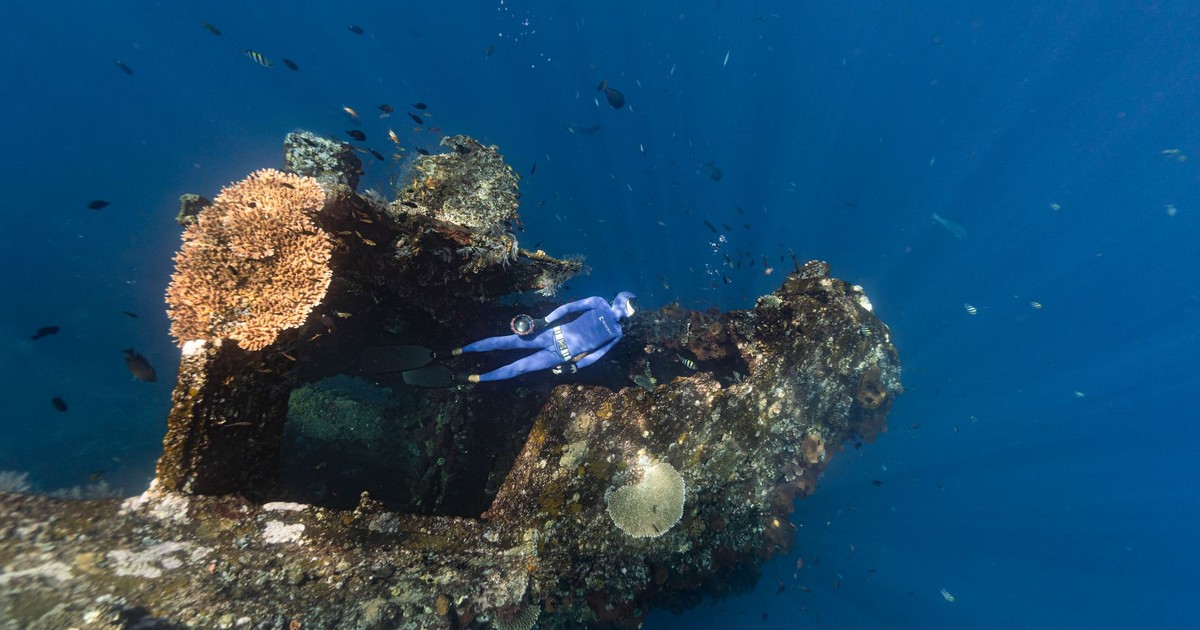
The Air/Sea Heritage Foundation, Deep Sea Vision (an Eco Minerals company), and Discovery Channel’s Expedition Unknown deployed an autonomous underwater vehicle across a defined search zone off Puerto Rico’s northern coast in June 2026. Thirty hours of high-resolution sonar scanning. The first pass returned a hit. A follow-up photographic survey captured more than 350,000 images, revealing the fuselage and tail resting in two sections, battered but largely intact after more than seven decades on the seabed.
The white letters “PAA” against the Pan Am globe logo were clearly visible, as were the letters “VOR” from “Endeavor,” enough for conclusive identification. After 74 years on the ocean floor, the plane still knew its own name.
It’s the kind of discovery that collapses time in a specific, disorienting way, the same feeling as finding something long-lost in the ocean that the sea had held onto far longer than seemed possible.
What the Wreck Looks Like Now
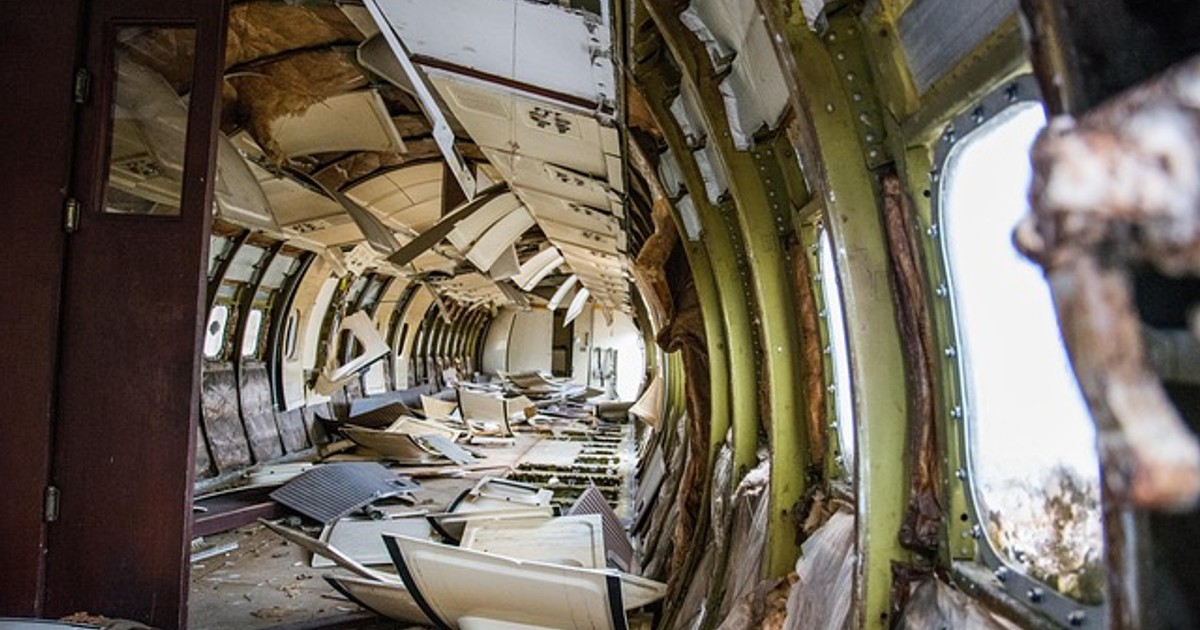
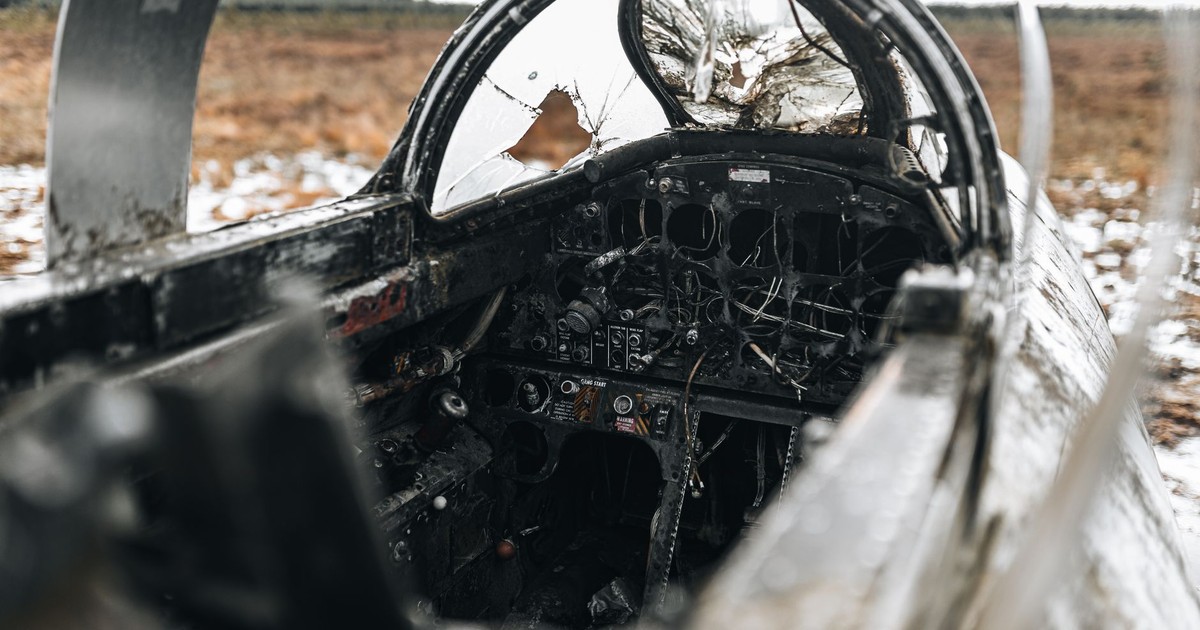
The wreckage of the Pan American Airways passenger plane was found on June 2, nearly 2,000 feet beneath the Atlantic Ocean, broken into two sections. That fracture matches what survivors described: the tail section shearing off on impact while the main cabin initially stayed intact. Both pieces of the aircraft remain on the seabed off Puerto Rico’s northern coast, where they have rested since 1952.
The discovery was announced publicly on July 21, 2026. Expedition Unknown host Josh Gates called it “incredible breaking news,” noting the accident “changed aviation forever,” with a dedicated special episode covering the full expedition planned for later in the year. “When the images came back from the AUV, we all gasped,” Gates said.
Russ Matthews, who had been chasing this wreck since 2019, described the technological gap that had kept the plane out of reach for so long. “It was really out of reach in 1952, and it really took until now for the technology to catch up, to be able to reach down,” he said. The same depth that made the Clipper Endeavor unfindable for seven decades made it, paradoxically, well preserved. Nearly 2,000 feet down, there are no trawling nets, no anchors, no recreational divers. The wreck sat undisturbed.
What Happens to It Now
The Air/Sea Heritage Foundation is working with the government of Puerto Rico to expand protections for the site and is advocating for a memorial honoring the 52 people who died. For the families of those passengers, this plane crash discovery is something more specific than a historical footnote. It is a grave site finally marked.
The two survivors still living were told about the discovery. Both were described as emotional and grateful. The 102-year-old nurse who opened the cabin door as the plane went under has spent most of a century carrying the memory of that afternoon. Now there is something to point to, something on the map, something that confirms the weight of what happened there.
Read More: California Authorities Identify Human Remains As A 13-Year-Old Girl Who Vanished 50 Years Ago
A Grave Finally Marked
For 74 years, 52 people drowned in the Atlantic and the exact spot where it happened was unknown to anyone but the ocean. The families who came after had dates and names but no coordinates, no marker, nothing to stand over or point to.
The Clipper Endeavor changed aviation for generations. The safety briefing you have heard a thousand times exists because of what happened on that Good Friday afternoon, because a cabin full of passengers had no idea what to do and the plane sank before anyone could show them. The person in row 14 on your next flight can find the exit in the dark because of it. It took 74 years to find the wreck. It took about three minutes for 52 people to die who survived a plane crash.
Disclaimer: This information is not intended to be a substitute for professional medical advice, diagnosis, or treatment and is for information only. Always seek the advice of your physician or another qualified health provider with any questions about your medical condition and/or current medication. Do not disregard professional medical advice or delay seeking advice or treatment because of something you have read here.
AI Disclaimer: This article was created with the assistance of AI tools and reviewed by a human editor.