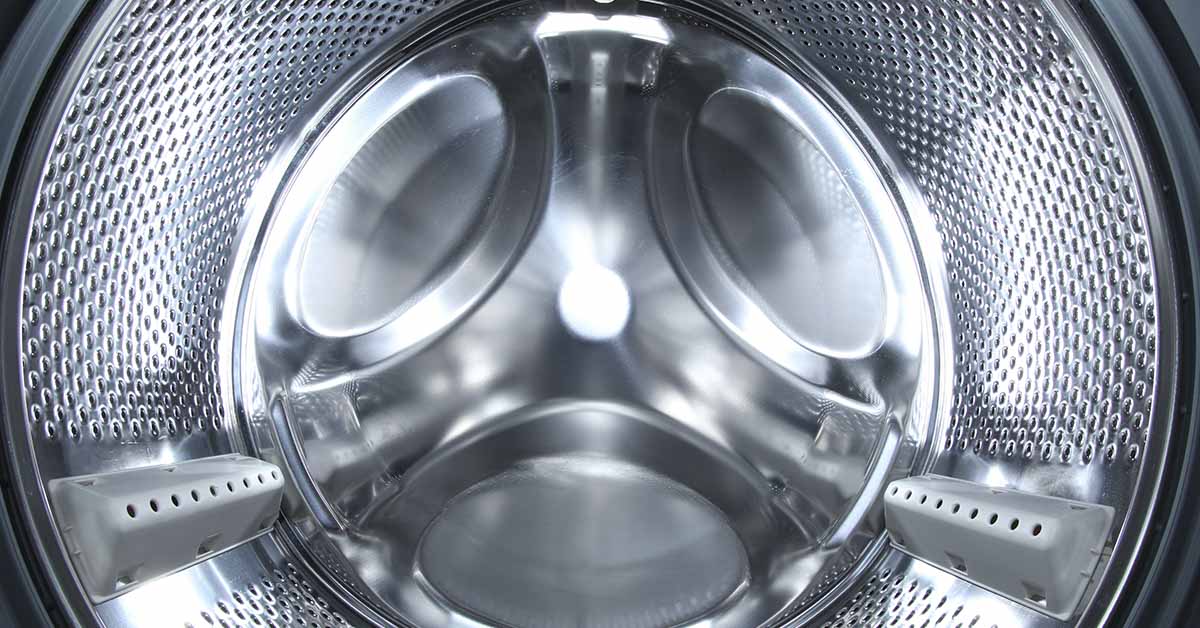

If you scroll through social media or click through trending lifestyle sites, you’ll likely stumble across a claim that sounds almost too simple to ignore: toss a plastic bottle in washing machine loads and your laundry will come out cleaner, fresher, and somehow lint-free.
This particular viral laundry hack has gained traction for promising multiple benefits, from reducing tangles to improving agitation. Some versions even claim it can help remove pet hair or cut down on drying time.
A lightweight plastic bottle doesn’t seem like it could do much damage. But the question becomes less about convenience and more about whether it actually works, or worse, whether it could cause problems inside your machine.
Where Did This Plastic Bottle Trick Come From?
Like many trending household ideas, the plastic bottle trick didn’t start in a lab or come from appliance engineers. Instead, it seems to have spread through online forums, short-form videos, and reposted blog content. One person tries something unusual, shares their experience, and then the idea gets repeated and shared across platforms.
In some versions of the story, the bottle is supposed to help separate clothes during the wash. In others, it’s described as a tool that improves water circulation or increases friction between fabrics. There are even claims that it can act like a lint collector, grabbing loose fibers as it moves through the drum.
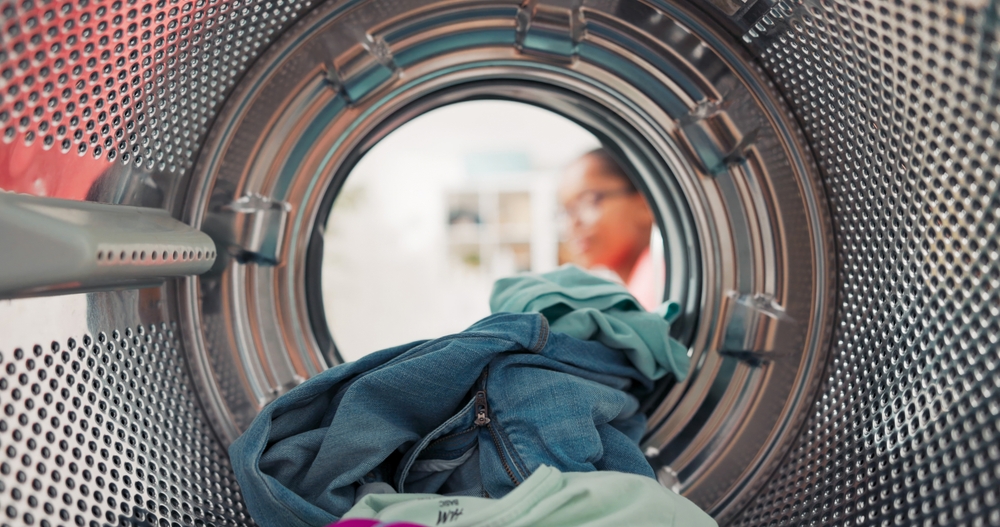
Washing machines are carefully engineered systems, and their performance depends on precise interactions between water, detergent, and motion. A random object added into the mix doesn’t automatically enhance that process.
The idea continues to spread online because it feels accessible and easy. You don’t need to buy anything new. You don’t need to learn a complicated method. It’s a quick fix using something already in your home. That simplicity makes it appealing, even if the results are inconsistent or misunderstood.
How Washing Machines Actually Clean Your Clothes
To properly evaluate this laundry hack, it helps to understand how washing machines are designed to clean clothes. While models differ, the core principles remain the same across most modern machines. Cleaning relies on three key elements: mechanical action, chemical action, and water movement.
Mechanical action comes from the movement of the drum or agitator. In a front-loading machine, clothes tumble through water as the drum rotates. In a top-loading machine, an agitator or impeller pushes fabrics around. This motion loosens dirt and allows detergent to reach all areas of the fabric.
Chemical action comes from the detergent itself. Modern detergents contain surfactants that break down oils and lift dirt away from fibers. Many also include enzymes that target specific types of stains, such as proteins or starches. Without this chemical component, even vigorous movement wouldn’t clean clothes effectively.
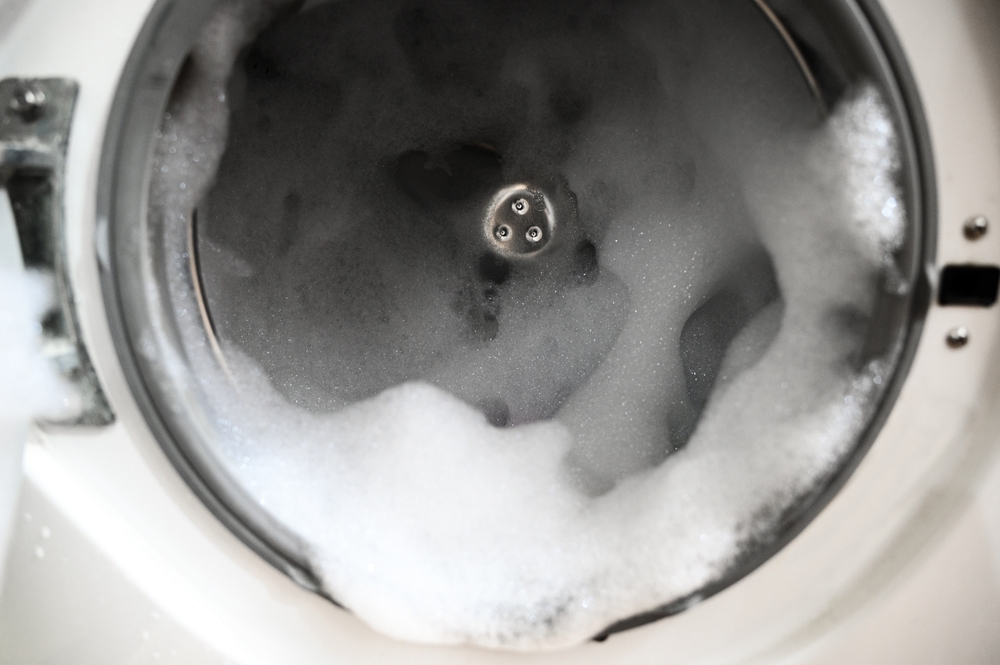
Water plays a crucial role by carrying dirt away once it’s been loosened. Temperature can also affect how well the detergent works, with warmer water often improving the breakdown of oils and grime. Manufacturers spend years refining these systems. The size and shape of the drum, the speed of rotation, and the design of paddles or lifters are all carefully calibrated. In other words, your washing machine already creates an optimized environment for cleaning.
When you add a plastic bottle into the mix, you’re not enhancing this system. Instead, you’re introducing something unpredictable that wasn’t part of the original design.
The Claims vs. Reality
The plastic bottle trend comes with a surprising number of claims:
Claim: It improves cleaning performance
Some versions suggest that the bottle boosts agitation, helping clothes get cleaner. However, washing machines are already designed to create the right amount of movement. Too much agitation can actually damage fabrics or prevent proper rinsing. A bottle doesn’t enhance the chemical action of detergent, which is the main driver of cleaning.
Claim: It prevents tangling
Tangling usually occurs when loads are too large or when certain fabric types are mixed together. For example, long items like sheets can wrap around smaller garments. A bottle doesn’t provide consistent separation. It moves randomly, so any reduction in tangling would be inconsistent and likely coincidental.
Claim: It removes lint and pet hair
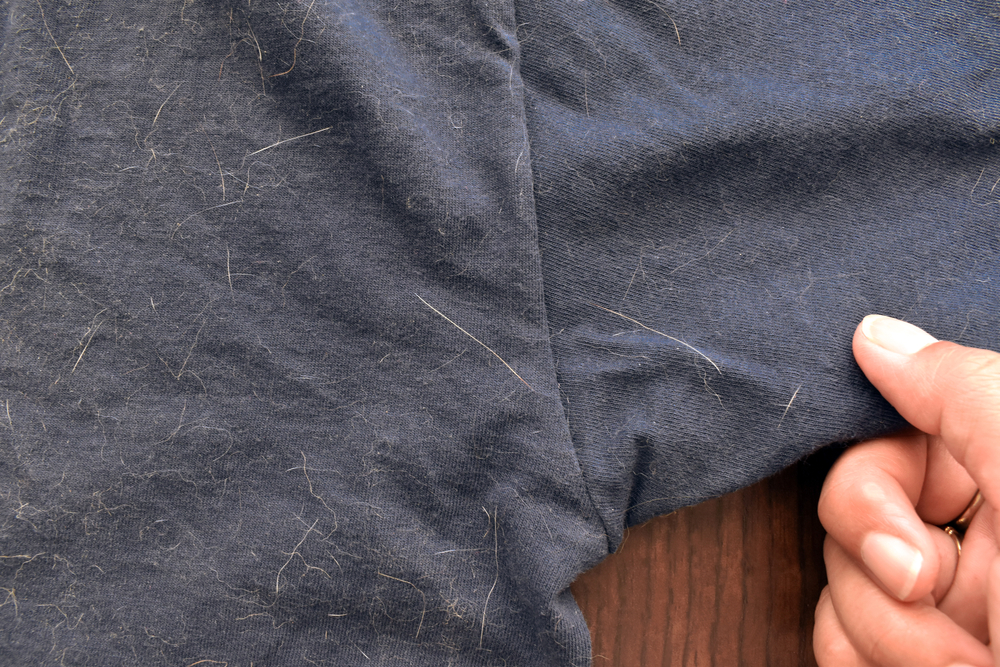
This is one of the most popular claims, especially among pet owners. The idea is that the bottle somehow collects or dislodges hair from clothing. In reality, lint removal depends on water flow, detergent action, and filtration systems built into the machine. A smooth plastic surface doesn’t have the texture needed to trap fibers effectively. At best, it might knock some loose hair around, but it won’t capture or remove it in a meaningful way.
Claim: It shortens drying time
This claim suggests that the bottle helps remove more water during the spin cycle. In reality, moisture removal depends on spin speed and load balance. A plastic bottle in the washing machine cycles doesn’t significantly change how much water is extracted from fabrics.
Claim: It saves energy or detergent
There’s no evidence to support this idea. The machine uses the same amount of water and energy regardless of whether a bottle is present. Detergent effectiveness also remains unchanged.
When you look at these claims collectively, a pattern emerges. They rely on assumptions about how washing machines work rather than actual data or testing.
Safety Concerns You Should Not Ignore
Even if the potential benefits are questionable, the risks deserve serious attention. Washing machines are built to handle fabrics, not hard objects bouncing around inside the drum. One of the biggest concerns is physical damage. While plastic might seem soft, repeated impacts can still scratch or dent the interior of the drum. Over time, this damage can affect performance or even lead to costly repairs.
Imbalance is another issue. Washing machines rely on evenly distributed loads to function properly, especially during high-speed spin cycles. A rigid object can shift unpredictably, throwing the machine off balance. This can cause excessive vibration, loud noises, or automatic shutdowns.
There’s also the risk of internal wear. Components like paddles, seals, and bearings are designed to interact with fabrics, not solid objects. Repeated contact with a bottle can accelerate wear and tear.
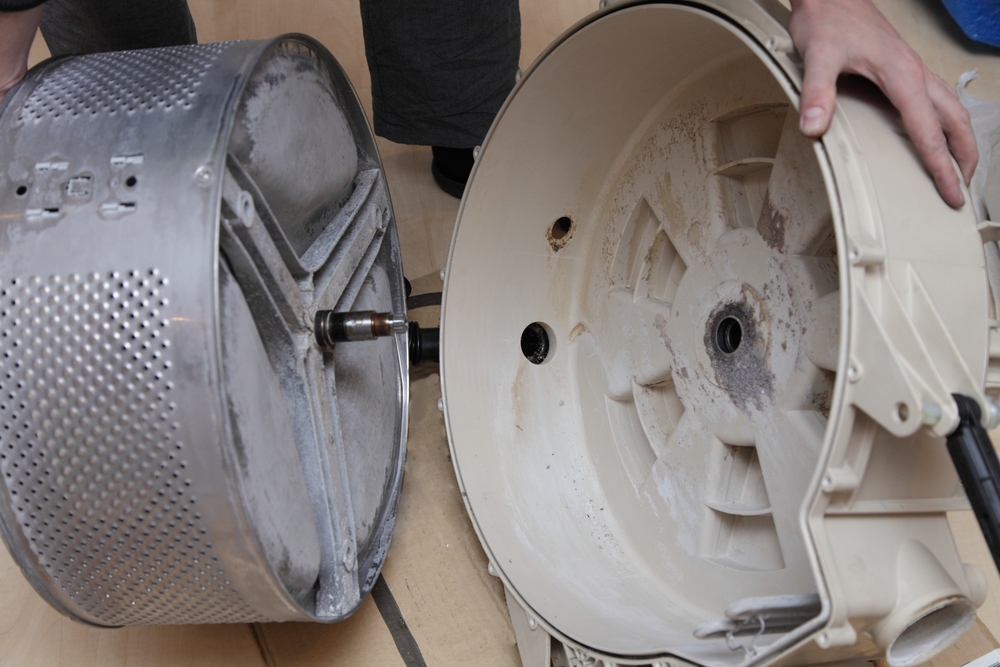
Noise is often the first sign that something isn’t right. If you’ve ever accidentally left a hard object in a pocket, you know how loud it can get inside the drum. A plastic bottle can create similar banging sounds, which indicate stress on the machine.
In short, even if the trick doesn’t immediately cause damage, it introduces unnecessary strain that could shorten the lifespan of your appliance.
Practical Safety Guidelines If You’re Tempted to Try It
If you’re still curious about experimenting with this idea, it’s important to approach it with caution. While it’s not recommended, understanding the risks can help you make a more informed decision.
- First, avoid using thick or rigid plastic containers. Thinner bottles may reduce the risk of impact damage, but they don’t eliminate it entirely.
- Second, never use this method during high-speed spin cycles. That’s when the machine experiences the most stress, and any imbalance can have a greater impact.
- Third, pay attention to noise. If you hear loud knocking or banging, stop the cycle immediately. Continuing to run the machine under those conditions can lead to serious damage.
- Fourth, consider the type of machine you’re using. Newer, high-efficiency models are particularly sensitive to imbalance and foreign objects.
- Finally, always check your appliance manual. Most manufacturers clearly state that only laundry items should be placed inside the drum. Ignoring these guidelines could void warranties or lead to avoidable repairs.
Why Simple Hacks Often Sound Convincing
It’s worth asking why ideas like this continue to gain traction. Part of the answer lies in how people interpret results. If someone tries the trick and notices even a small improvement, they may attribute it to the bottle, even if other factors played a role. Confirmation bias can reinforce this belief. Once someone expects a positive outcome, they’re more likely to notice anything that supports that expectation.
Social media also plays a role. Short videos and quick tips are designed to grab attention, not provide detailed explanations. As a result, complex processes get simplified into easy-to-share ideas. There’s also a broader appeal to finding clever solutions using everyday items. It feels resourceful and satisfying. But when it comes to appliances, not every shortcut leads to better results.
Laundry Hacks That Actually Work and Deliver Better Results
Not every household tip is a myth. In fact, some of the most effective improvements you can make to your laundry routine are surprisingly simple. The difference is that these methods are grounded in how washing machines and detergents are designed to work, rather than trying to override the process with random objects or shortcuts. When you align your habits with the mechanics of your machine, you get cleaner clothes, better fabric care, and longer-lasting performance.
Use Dryer Balls for Better Airflow
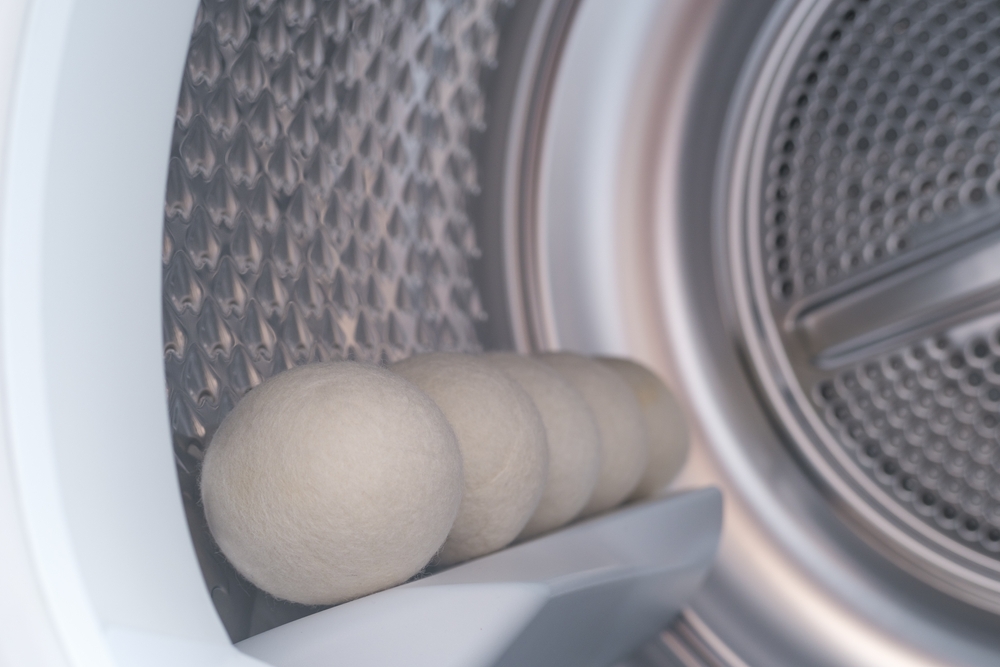
Drying is another stage where small changes can make a big impact. Using dryer balls, whether wool or rubber, can improve airflow inside the dryer. These tools help separate clothes, allowing hot air to circulate more evenly. As a result, drying time is often reduced, and clothes come out softer without the need for chemical fabric softeners. They can also help reduce lint buildup and static, making them a practical alternative for everyday use.
Use Less Detergent for Better Results
One of the most overlooked adjustments is using less detergent. Many people assume that more soap means cleaner clothes, but the opposite is often true. Excess detergent can create residue that traps dirt instead of rinsing it away. This buildup can also stick to the inside of the machine, leading to odors over time. Detergents rely on a balance of surfactants to lift and remove grime. When you use the correct amount, they perform more efficiently and rinse out more completely. If your clothes feel stiff or look dull after washing, reducing the detergent slightly can make a noticeable difference.
Shake Clothes Before Washing
Another simple but effective habit is shaking out clothes before placing them in the washer. It only takes a few seconds, yet it helps loosen dirt, dust, and lint that may be clinging to the fabric. When debris is already partially dislodged, water and detergent can carry it away more easily during the cycle. This is particularly useful for items like gym wear, outdoor clothing, or anything exposed to sand or fine particles.
Turn Clothes Inside Out
Turning clothes inside out is another small change that delivers consistent results. Fabrics tend to collect sweat, oils, and bacteria on the inside, especially items like T-shirts, activewear, and underwear. Washing them inside out allows detergent to target these areas more directly. At the same time, it reduces friction on the outer surface, helping preserve colors and prints over time. This is especially helpful for darker garments that tend to fade with repeated washing.
Add Vinegar to the Rinse Cycle
For those dealing with odors or residue, adding white vinegar to the rinse cycle can be a practical solution. Vinegar helps break down leftover detergent and neutralizes odors without leaving a strong scent behind. It also acts as a mild fabric softener. However, it is important to use it correctly. Vinegar should never be mixed directly with bleach, as this can create harmful fumes. Used on its own in the rinse cycle, it is a safe and effective addition for most loads.
Use Baking Soda for Odor Control
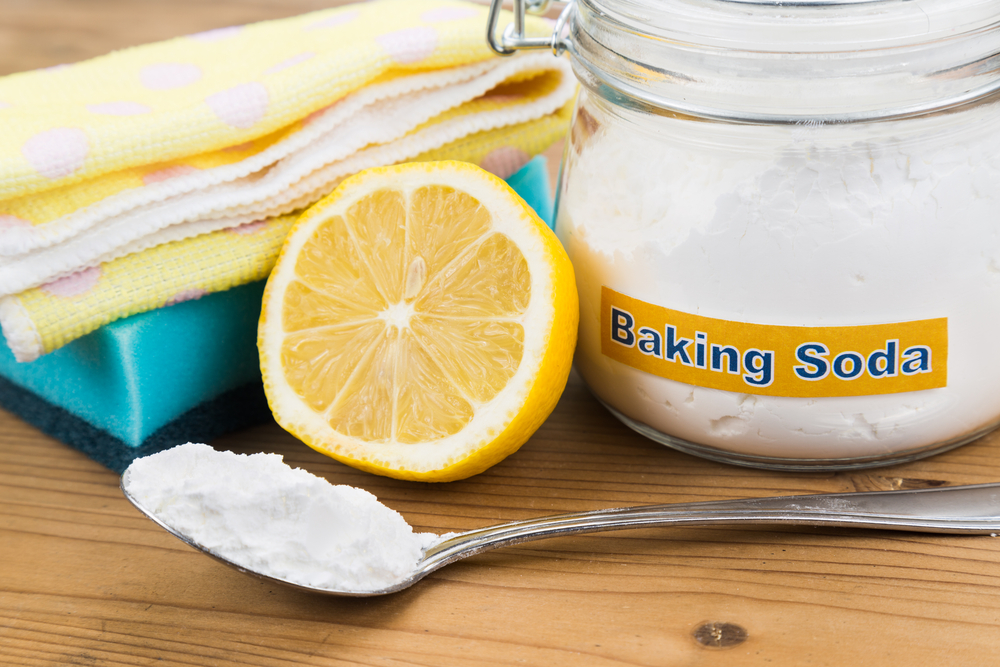
Baking soda is another useful option, particularly for stubborn smells. Adding a small amount to the wash can help balance pH levels and improve odor removal. This is especially helpful for activewear or clothes that have absorbed strong smells over time. Unlike heavily scented products, baking soda targets the source of the odor rather than masking it.
Wash in Cold Water When Possible
Temperature choice is another area where many people can improve their routine. Washing in cold water is often just as effective as warm or hot cycles for everyday loads. Modern detergents are designed to work in lower temperatures, which helps preserve fabric quality and reduce energy use. While hot water still has its place for heavily soiled items or sanitizing, most loads benefit from the gentler approach of cold washing.
Clean Your Washing Machine Regularly
Regular machine maintenance is equally important. Over time, washing machines can develop buildup from detergent, fabric softener, and dirt. This residue can affect performance and even transfer back onto clothes. Running a cleaning cycle or manually wiping down key areas like the drum and detergent drawer can keep the machine functioning properly. A clean machine not only improves washing results but also prevents unwanted odors.
Avoid Overloading the Machine
Load size plays a critical role as well. Overloading the machine is one of the most common mistakes people make. When there are too many items in the drum, clothes cannot move freely. This reduces the effectiveness of both agitation and rinsing, leaving clothes less clean. On the other hand, underloading can also reduce efficiency. Finding the right balance allows the machine to perform as intended.
Separate Fabrics, Not Just Colors
Finally, sorting laundry by fabric type, not just color, can make a noticeable difference. Heavier items like towels and jeans create more friction and shed more lint. When mixed with lighter fabrics, they can cause wear and leave residue behind. Separating these items helps maintain fabric quality and improves overall washing results.
These methods may not feel as flashy as a trending hack, but they are reliable because they work with the design of your washing machine rather than against it. Over time, these small adjustments add up to cleaner clothes, better fabric care, and fewer issues with your appliance.
Read More: 7 Unexpected Ways to Use OxiClean Outside the Laundry Room
Clever Trick or Costly Mistake?
After taking a closer look at the claims, the mechanics of washing machines, and the potential risks, the conclusion becomes clear. Putting a plastic bottle in the washing machine load is not a reliable way to improve cleaning, reduce lint, or prevent tangling. More importantly, it introduces unnecessary risks that could lead to damage or reduced performance over time.
While the idea may seem harmless, it falls into the category of trends that spread quickly without solid evidence. In some cases, trying these methods can cost more in repairs than they ever save in effort. A better approach is to focus on proven practices. Understanding how your machine works, using the right settings, and maintaining it properly will always deliver more consistent results.
The smartest choice isn’t the most creative shortcut. It’s the one that keeps your clothes clean and your machine running smoothly for years to come.
A.I. Disclaimer: This article was created with AI assistance and edited by a human for accuracy and clarity.
Read More: This Laundry Hack Will Make Your Clothes Crease-Free Without Reaching For The iron