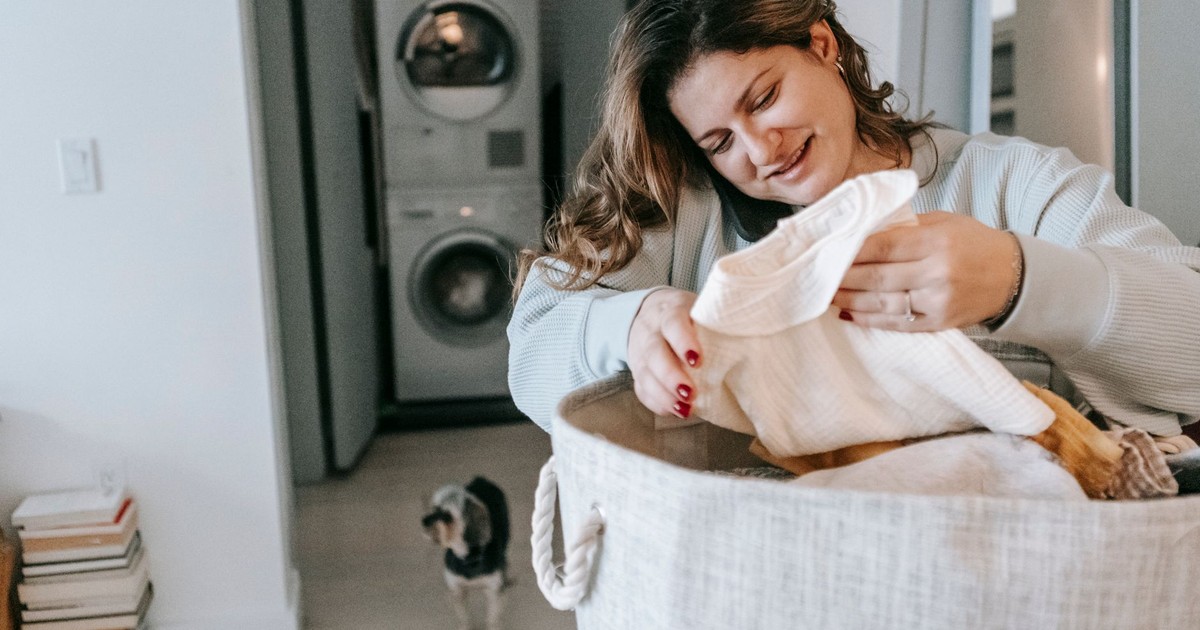

You get dressed, look down, and realize your black pants have somehow acquired a full coat of fur since the wash. The clothes came out of the dryer clean. The pet hair didn’t. It just redistributed itself to whatever you were about to wear to work.
According to the APPA’s 2024–2025 National Pet Owners Survey, 71 percent of U.S. households – that’s roughly 94 million homes – own a pet. A standard washing cycle was never designed for pet hair. Water doesn’t loosen it. Agitation doesn’t loosen it. And throwing a pet hair-covered blanket straight into the wash can actually make things worse, clumping the fur into wet masses that weave deeper into fabric fibers and occasionally threaten to clog your drain.
There’s a counterintuitive sequence that actually works, one that starts with your dryer, not your washer. Once you understand why pet hair clings the way it does, the strategy clicks into place fast.
Why Standard Washing Makes Pet Hair Worse
Pet hair sticks to fabric through several processes working together. According to ClothesLyne’s pet hair removal guide, the scales on each individual hair strand create a hook-like effect that grips textile fibers, static electricity forms a bond between fur and fabric, and pet hair contains natural oils that act like adhesive. Put that combination in a washing machine with water, and you’re not loosening the grip – you’re activating it.
This is why the pre-wash step that most people skip is actually the most important one. Getting as much hair off the fabric before water ever touches it is the difference between clothes that come out clean and clothes that come out with the hair reorganized into wet clumps. Wet clumps of hair in the washer can clog a washing machine filter or affect performance if caught in the drain line.
The Dryer-First Method (Yes, Before the Wash)
The single most effective technique for getting pet hair out of laundry involves running your hairy items through the dryer before they ever touch water. As Maytag’s pet hair laundry guide explains, the dry-wash-and-dry method starts by tumble drying hair-covered clothes on a no-heat setting, a cycle that is ideal to help loosen pet hair on already-dry items and allows debris to be caught by the dryer’s lint screen.
Put the laundry in the dryer and throw in one or two dryer sheets. The anti-static properties of the dryer sheets will help repel the hair and catch it in the dryer’s lint trap. Set the dryer for about 10 minutes on low heat or no heat. When the dryer is done, take out the laundry, give it one last shake to remove any remaining pet hair, and then put it in the washer.
The logic is sound. Dry heat and tumbling separate the hair from the fabric before water has a chance to lock it in. The lint trap catches what the tumbling loosens. Then you wash, and what little remains is handled far more effectively by the machine because the bulk of the problem has already been removed. You don’t need a full tumble-dry cycle to remove pet hair from laundry. Check on clothes periodically, starting after about 10 minutes, and once some hair is removed, you can move straight to washing.
One important note: clean your lint trap before you start, and clean it again after this pre-dry step. A clogged lint screen can’t catch anything.
The Role of Dryer Sheets (and Why Static Is the Real Enemy)
Dryer sheets deserve more credit than they usually get in this context. Most people use them for scent or softness, but their real function in a pet household is static control. Taste of Home’s laundry guide notes that dryer sheets release anti-static compounds that help loosen pet hair from clothes and other fabrics, making it easier for the hair to be captured by the dryer’s lint trap or to be brushed off with minimal effort.
For people who prefer to skip dryer sheets – whether for skin sensitivity, fragrance allergies, or environmental reasons – wool dryer balls accomplish much of the same thing. Dryer balls can be an effective alternative to help reduce static and minimize pet hair from sticking to your clothes. They also improve air circulation inside the drum, which helps physically separate fur from fabric during tumbling. You can use three to four at once for a fuller load.
If you’re also dealing with static on pet-covered blankets and bedding, half a cup of white vinegar added to the rinse cycle can help neutralize static and discourage hair from clinging to fabric, with no fragrance and no residue.
Pre-Wash Tools That Actually Help
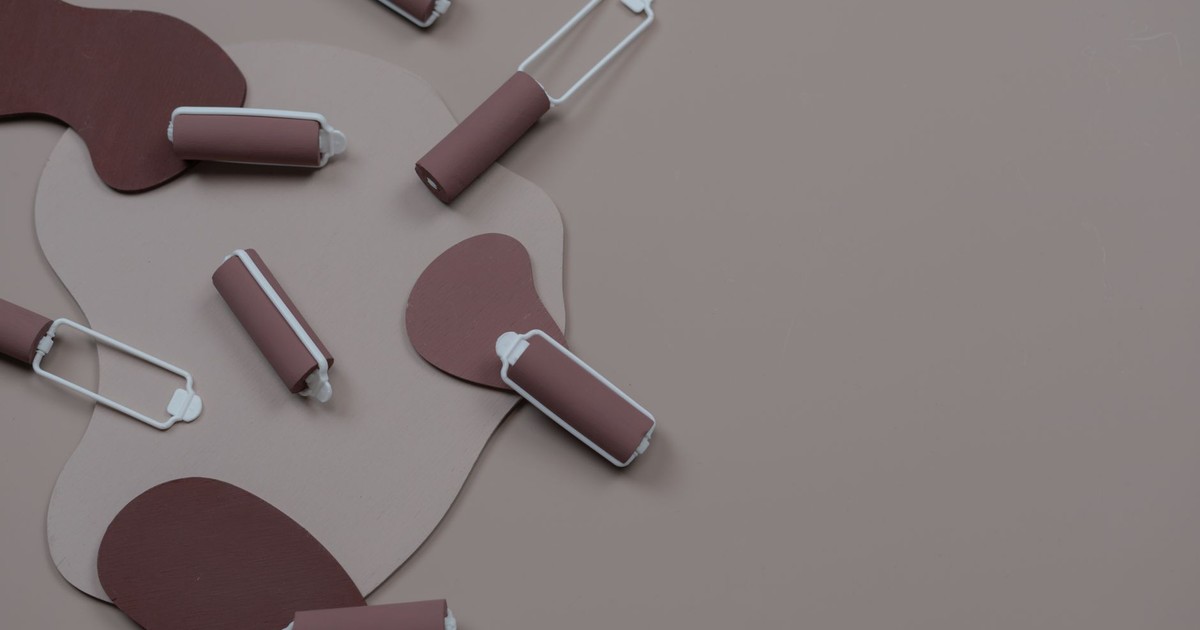
Before anything goes in the machine, a little physical removal goes a long way. A lint roller on a thick fleece takes two minutes and cuts the machine’s job in half. If a lint roller isn’t available, blotting the hair-covered spots with masking tape captures any hair just as well.
The rubber glove trick is surprisingly effective for larger items like blankets or couch throws. Dampen a rubber glove – the kind you’d use for dishes – and run your hand across the fabric in circular motions. The slight friction and moisture create a pulling effect that gathers pet hair into a collectible clump you can peel off in one go. It’s unglamorous but genuinely works on fabric surfaces that are too large or too textured for a lint roller to cover efficiently.
For particularly stubborn loads, reusable pet hair removal balls and discs work during the washing and drying cycles. These products are typically made from specially textured rubber or synthetic materials that attract and capture pet hair through friction and static electricity. Tossed into the washer or dryer with your laundry load, as they tumble with your clothes they collect pet hair and prevent it from reattaching to fabrics.
Washing Machine Settings That Make a Difference
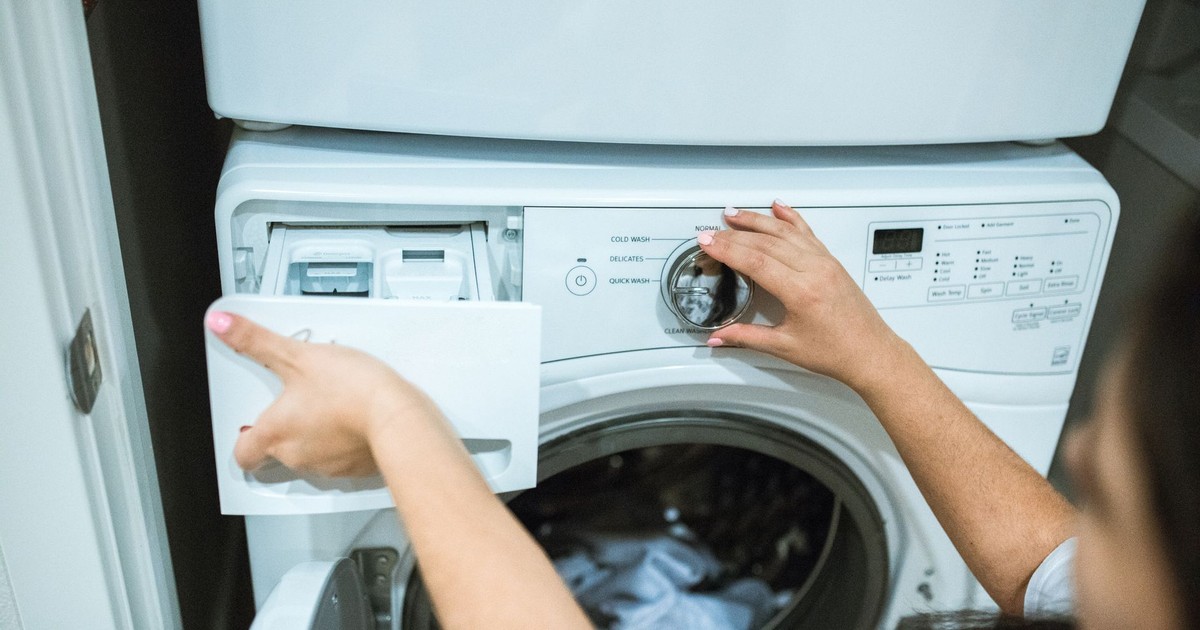
Once the pre-dry and pre-removal steps are done, the wash cycle itself matters. Choosing a warm to hot water setting helps because warm water dissolves oils and loosens fur from the fabric, making it easier to wash away. If your machine has a heavy-duty or allergen cycle, that’s worth using for particularly furry loads. Setting your machine to a high spin speed helps lift and separate fur from clothes, ensuring it gets washed away during the rinse cycle.
Overloading the machine is one of the most common mistakes. When clothes can’t move freely, the agitation that’s supposed to dislodge hair doesn’t work properly, and things come out looking much as they went in. For heavy pet hair loads, running a slightly smaller load than usual and adding an extra rinse cycle gives the machine the best chance of clearing out what remains after your pre-treatment.
An extra rinse also matters because leftover detergent can actually contribute to hair sticking to fabric post-wash. Rinsing thoroughly and giving clothes a good shake before moving them to the dryer removes the last loose hairs and resets the static situation before the final dry.
After the Wash: The Second Dryer Pass
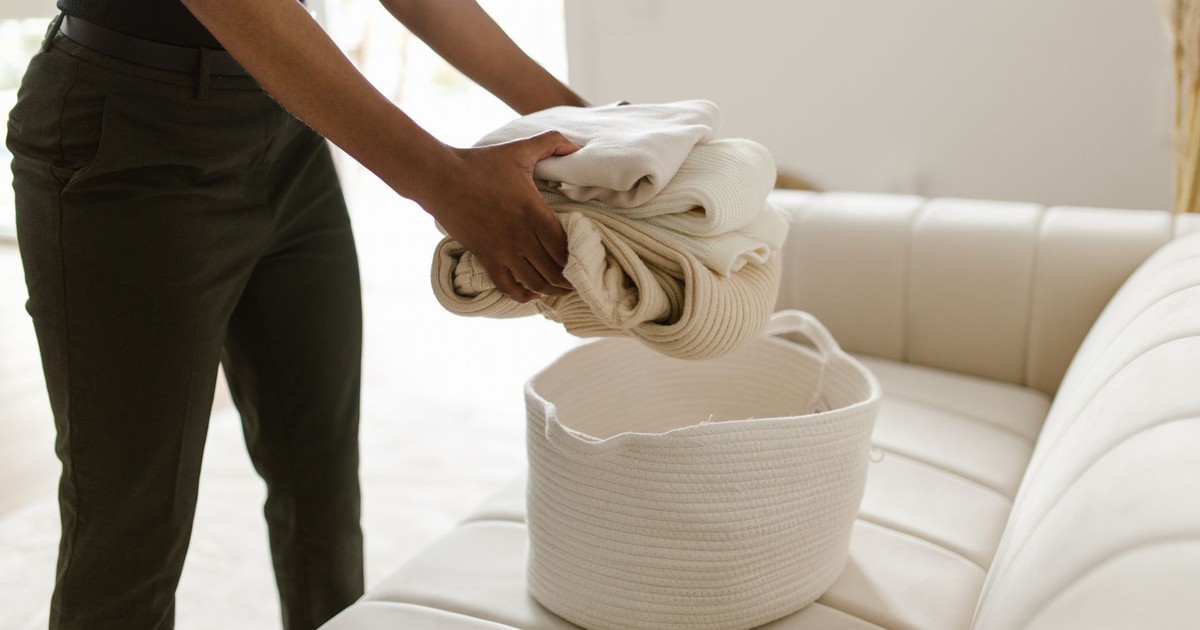
The final dryer cycle, using a fresh dryer sheet or wool balls again, closes the loop. Any hair that survived the wash will often come loose during this phase and end up in the lint trap. Static reduction from dryer sheets prevents pet hair from sticking to clothes and instead allows the dryer’s lint trap to capture loose hair. Clean the lint screen after each load.
Cleaning the lint trap consistently isn’t optional when you have pets. A pet-hair load can fill a lint screen significantly faster than a regular wash, and a blocked screen doesn’t just reduce hair-trapping efficiency – with repeated buildup, it becomes a fire hazard.
Read More: Ultimate Guide to Laundry: How Often You Should Wash Everything
Keeping Up With the Problem Between Washes

The most effective long-term strategy to remove pet hair from laundry is to reduce how much makes it into the machine in the first place. Regular brushing and grooming cuts shedding at the source. A dedicated pet blanket on the couch or their favorite chair intercepts a large volume of daily shed before it migrates to your clothes. Washing pet bedding separately, on a dedicated cycle, keeps their concentrated fur out of your regular loads entirely.
Low heat settings in the dryer can prevent pet hair from becoming more deeply embedded in the fabric. High heat can sometimes cause hair to stick more stubbornly to clothes. This is worth keeping in mind for items you care about.
None of this is complicated once the sequence is clear: remove what you can before washing, run a no-heat tumble with a dryer sheet first, wash with warm water and a good spin, then finish with a second dryer cycle and a clean lint trap. Each step addresses a different property of pet hair, and skipping one usually means the others can’t compensate.
What This Is Really About
Every pet owner has, at some point, worn the evidence of their animal to a meeting, a dinner, or a school drop-off and decided that this was fine, actually, and anybody who has a problem with it can mind their own business. That position is completely valid.
But for the moments when you genuinely want fur-free clothes – a job interview, a black blazer, a fabric that attracts every single hair in the house like it was designed to – the dryer-first method is the thing most people haven’t tried yet. The washing machine is not the first line of defense when you want to remove pet hair from laundry. It’s the second. Run the dryer first, clean the lint trap, then wash. The physics work in your favor from there. The dog will immediately sit on the clean clothes when you try to fold them, but that’s a separate problem and probably not one with a solution.
AI Disclaimer: This article was created with the assistance of AI tools and reviewed by a human editor.