
Restaurants keep a mental ledger on their regulars. Not of orders or preferences, but of behaviors. The diner who snaps their fingers. The party of four that shows up as eight. The table that lingered for two hours after the check was paid on a Saturday night with people waiting at the door. Nobody says anything. They just remember.
Most restaurant etiquette mistakes that make a room subtly uncomfortable aren’t about ignorance of formal rules. Most people have never been taught which fork signals you’re done, and that’s fine. The habits that actually get noticed are simpler: the things you do on autopilot that affect the people around you, including the couple who’ve been looking forward to this dinner all week, and the server managing six other tables while keeping yours from falling apart.
Here are the twelve behaviors that cause the most friction.
1. Gluing Your Eyes to Your Phone
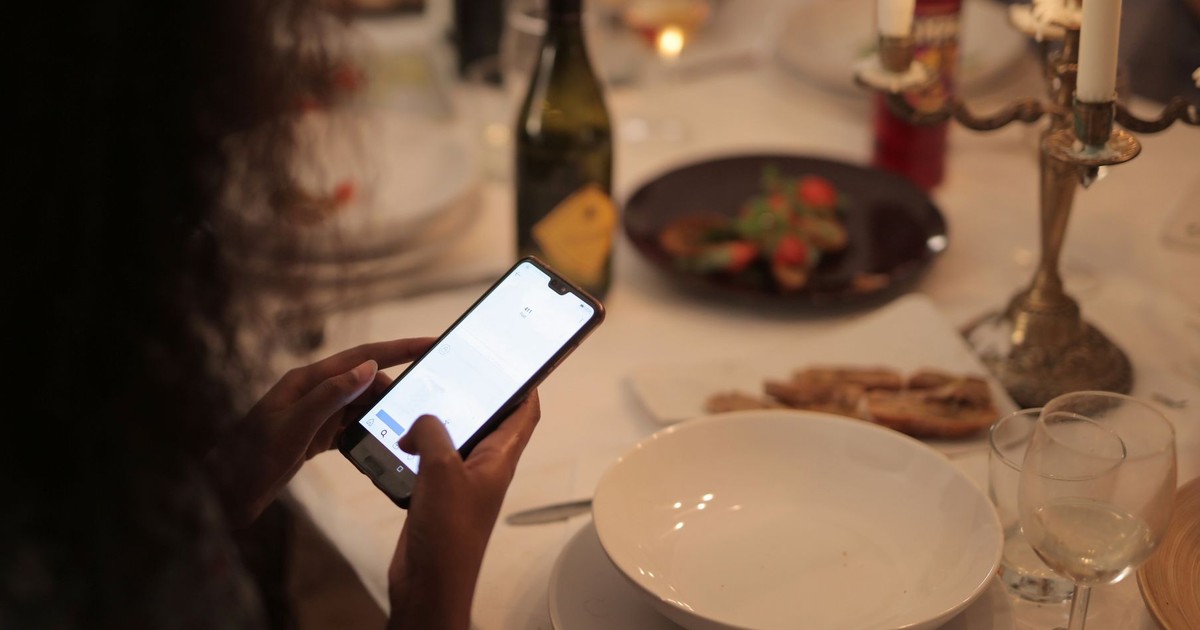
Phone-free restaurants are now actively spreading across the U.S., with bars and eateries asking diners to put their devices away, and at least 11 states have venues already experimenting with restrictions or outright bans. The frustration behind that trend has been building for years.
Etiquette expert Diane Gottsman, founder of the Protocol School of Texas, puts it plainly: “When you are constantly checking your phone at the table, it sends the message that what you are doing is more important than the person sitting across from you.” Not the device itself, but what the device signals to everyone else at the table.
A December 2025 Talker Research survey of 2,000 Americans found that half of adults are actively trying to cut their screen time, with 63% of Gen Z saying they intentionally disconnect from devices, ahead of millennials at 57%, Gen X at 42%, and boomers at 29%. The generation that grew up most online turns out to be the one most aware of what constant connectivity costs at dinner.
2. Snapping or Clicking Your Fingers at the Server
This one lands somewhere between oblivious and genuinely unkind. Snapping your fingers, waving your hand like you’re hailing a cab, or calling out “Hey!” across a dining room all communicate the same thing: that you see the server as a function rather than a person.
“We absolutely provide a service, but we are not servants,” says Laura, a restaurant professional whose experience ranges from bartending to general management. The server is managing six other tables simultaneously, tracking dietary requirements, running a mental checklist of which dishes are up at the pass, and keeping water topped off. Getting their attention is as simple as making eye contact and waiting a moment.
Calling out to summon a server is archaic restaurant etiquette that has no place in a modern dining room. Polite eye contact is all it takes. Patience costs nothing. Impatience, on the other hand, tends to follow you through the rest of the meal in ways you probably can’t see.
3. No-Showing on a Reservation
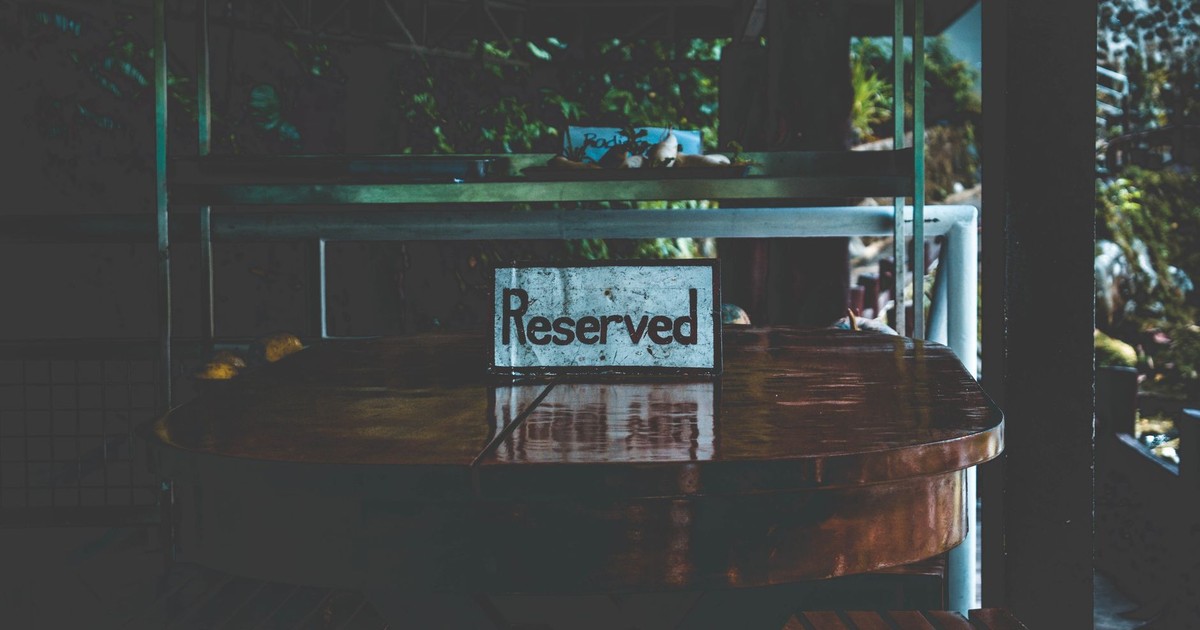
Of all the restaurant etiquette mistakes, this one carries real financial consequences most diners never consider. OpenTable data shows that 28% of Americans say they haven’t shown up for a reservation in the past year. Nearly one in three. Every one of those empty tables represents food that was prepped, staff that was scheduled, and walk-in guests who were turned away because the table was supposedly taken.
At Philadelphia’s Blackfish restaurant, if just six people don’t show up for one dinner, the restaurant loses 5% of its income: most of its profit margin for that service. These are businesses often running on margins of five to ten percent, where a Saturday night gone wrong doesn’t just mean a bad week.
If plans genuinely fall apart, cancel. A text or a quick call takes 30 seconds and gives the restaurant a fighting chance to fill the table. Booking multiple restaurants for the same evening “just in case” and then ghosting your second choice is not a neutral act. Somebody paid for that.
4. Arriving Significantly Late Without a Word
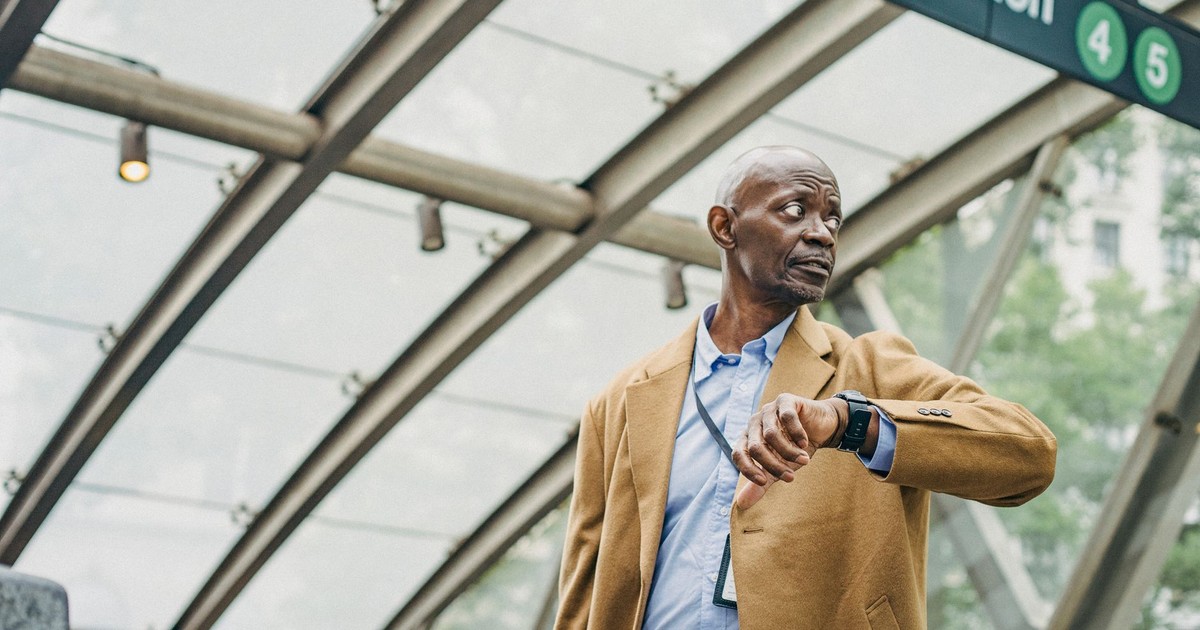
Being a few minutes late happens. Arriving 20 or 30 minutes behind your reservation time without calling ahead, and then acting surprised when your table has been released, is a different matter. Restaurants hold tables for a window that varies by establishment and how busy the room is, but that window is a courtesy, not a guarantee.
Arriving on time means accounting for traffic, directions, and detours before you leave. That applies whether you’re a guest at someone’s home or a paying customer who made a reservation. A late arrival at a tasting-menu restaurant or a prix-fixe dinner doesn’t just affect your table. It can delay service for the entire room.
If you know you’re running late, call the restaurant. Most are reasonable and will do what they can. What they can’t do is hold a table indefinitely while other guests wait at the door and the kitchen tries to figure out when to fire your first course.
5. Talking to Your Server Without Looking Up From the Menu
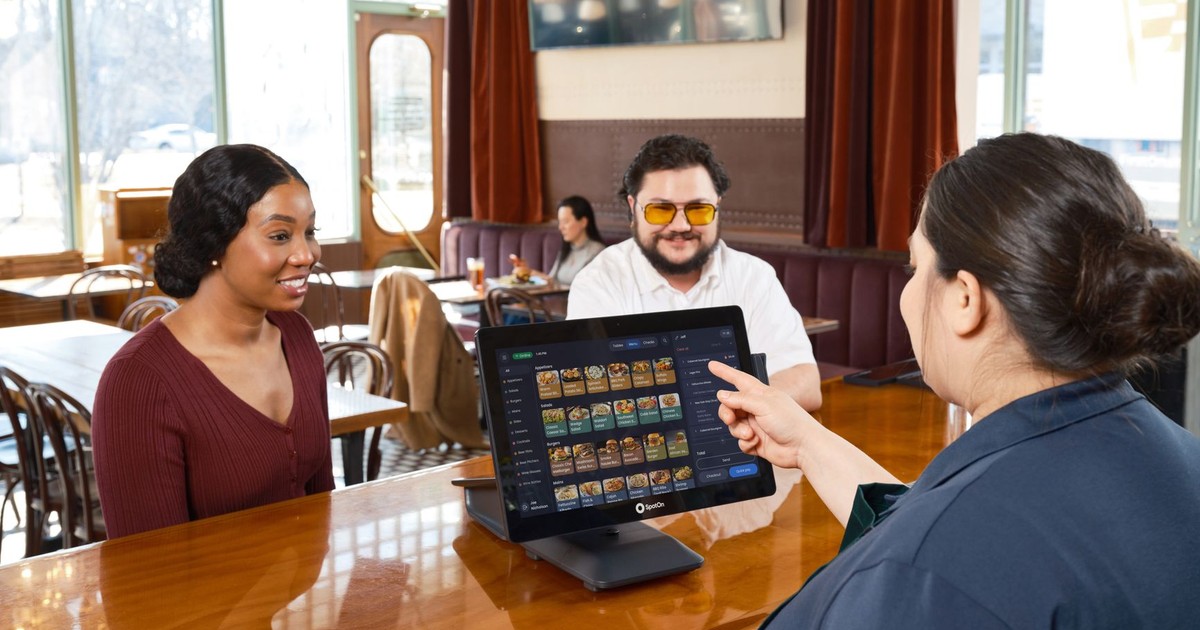
It sounds small. It’s not. Looking down at the menu while you rattle off your order, or while the server is explaining the specials, tells them you’re not really listening and don’t particularly care whether they’re a person or a recording. Servers remember who made eye contact and who didn’t.
A restaurant professional with 15 years in the industry describes one behavior that particularly grates: “A behavior that drives me nuts is when guests sit down, do not look at the menu at all, and start asking me if we have whatever random drink or wine or food item that they want.” The fix is straightforward: “Please read the menu, and then ask questions. I am happy to offer suggestions and alternatives.”
The flip side of this is ordering without having read the menu at all, which puts the server in the position of working out what you actually want from a list of things that aren’t on the menu. Read the menu. Ask genuine questions about what you haven’t decided. Then order. That’s the whole sequence, and it makes the interaction cleaner for everyone.
6. Sending Food Back in a Way That Creates a Scene
Sending food back when something is genuinely wrong with it is completely acceptable. Sending it back to perform dissatisfaction for the table, complaining loudly, or treating the server as personally responsible for how the kitchen prepared a dish, is a different thing entirely.
If you end up with a dish that doesn’t work, a discreet mention to the staff, along with specific ideas about what you had hoped for, should solve the problem. Good restaurants want to fix the problem. They don’t need it narrated to the adjacent table.
The behavior that actually causes the most discomfort for everyone present isn’t the complaint itself. It’s the drawn-out version: the sighing, the itemized list of what was wrong, the comparison to how other restaurants do it better. Say what the problem is, calmly. Let the staff handle it. The meal recovers much faster that way.
7. Stacking the Plates Yourself
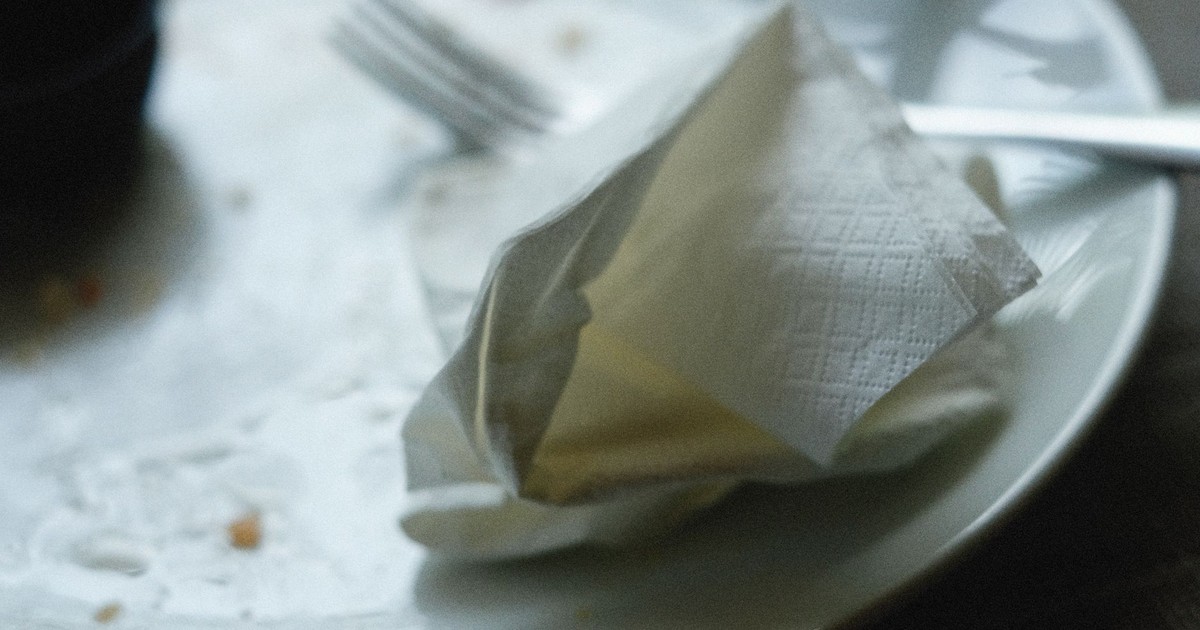
Stacking plates and cutlery into a tidy pile before the server clears them feels helpful. According to etiquette expert Maryanne Parker, cited by Reader’s Digest, it’s one of the most common mistakes at restaurants: “placing your cloth napkin on a dirty plate just gets more food on it, which makes more of a mess when the server clears the table.” The napkin should go to the left of your plate on the table, not on the dishes.
Stacking plates also disrupts the server’s clearing system. Cutlery that was placed across the plate gets jumbled. Glasses end up in awkward positions. What was meant as a courtesy actually creates more work and a slightly higher risk of something spilling on the way to the kitchen. Leave the clearing to the people who do it fifty times a night. They have a method.
This same principle applies to over-organizing the table while you’re still eating: gathering up your side plates, folding your bread basket, grouping the condiments at one end. The restaurant set the table intentionally. Let it be.
8. Seasoning Before You’ve Tasted Anything
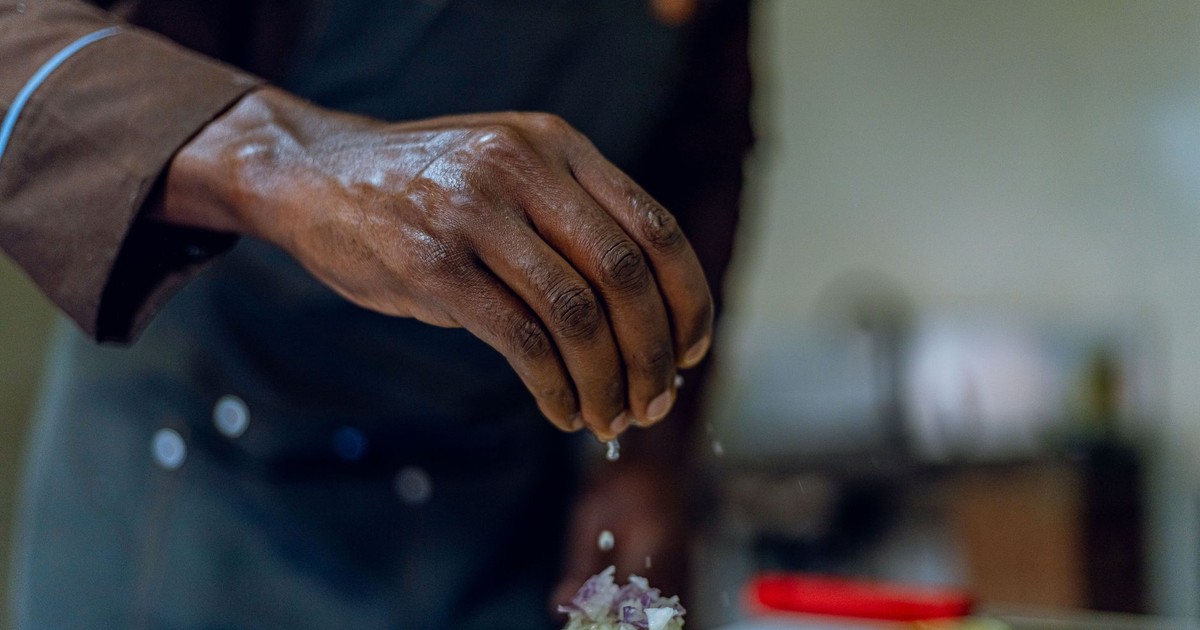
Reaching for the salt shaker before you’ve taken a single bite sends a noticeable signal to anyone watching, including the kitchen if they happen to see it. The dish was seasoned before it left the pass. The chef made a considered judgment about salt levels. Seasoning before even knowing whether a dish needs it is the dining equivalent of editing someone’s email before reading it.
Every diner has their own tolerance and preference for seasoning, so a taste-test at least lets you know how far you want to go. Taste first. Adjust if you need to. Salt on the table exists for a reason, but it’s there for after you’ve tried the food.
At higher-end establishments, asking for salt and pepper when neither is on the table carries a similar weight. At casual restaurants, it’s fine. At a place where the chef has clearly thought carefully about every component on the plate, it’s worth pausing a moment before asking a server to find the seasoning.
9. Wearing a Heavy Fragrance to a Restaurant

A perfume or cologne that reads as perfectly calibrated in the elevator becomes a very different thing in an enclosed dining room. Overdoing fragrance is one of the most frequently cited etiquette missteps in fine dining contexts, specifically because it interferes with taste and aroma for everyone seated nearby. Food smell is a significant part of the eating experience, and a strong scent from two tables away can genuinely alter it.
This isn’t about wearing no fragrance at all. It’s about the amount. The rule most etiquette professionals use is that your fragrance should be detectable only to someone who is very close to you. If the couple at the next table can identify what you’re wearing from across the room, that’s too much.
The impact is also physiological. Scent directly affects how flavor is perceived because the olfactory system and taste are deeply intertwined. Even a light, pleasant fragrance worn too heavily can dull the nuances of what someone at the next table is eating. It’s the kind of effect nobody will mention to you, but everyone nearby will notice.
10. Camping Out Long After the Meal Is Over
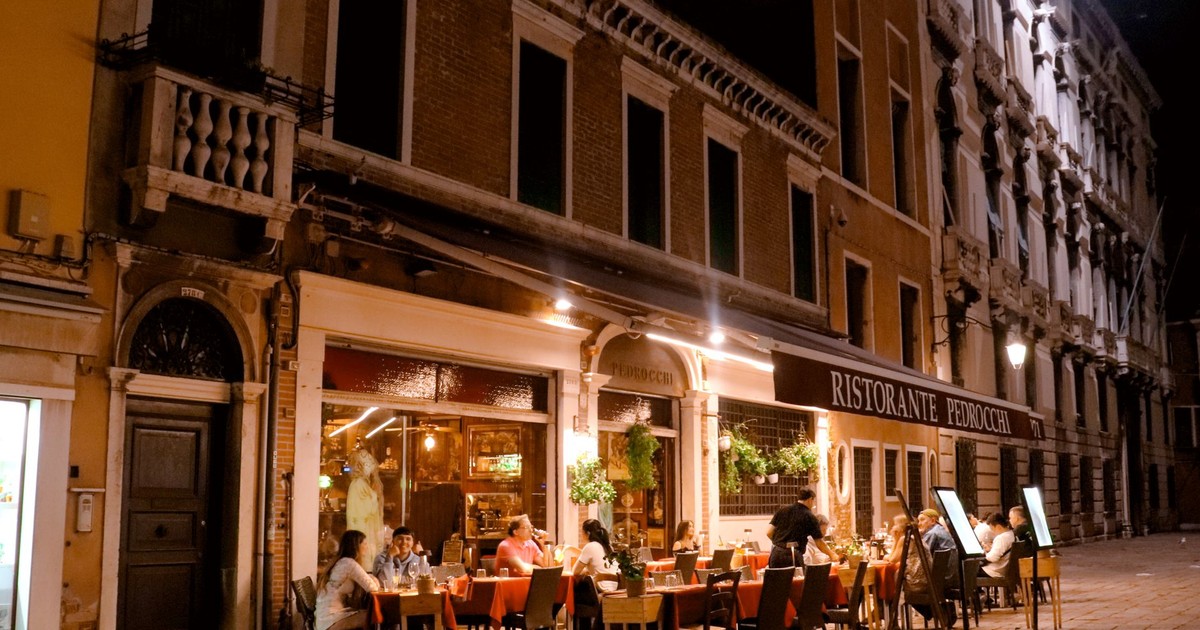
A restaurant table is, from a practical standpoint, the business’s inventory. For servers, turning tables is fundamental to the economics of a service. That doesn’t mean you need to rush through dinner. But if you’ve been sitting for over three hours and haven’t ordered anything in a while, it’s time to give up the table.
The tell is when the check has been paid and settled, the server has been by twice with a look that can only be described as polite desperation, and the group is still deep in a conversation that has nothing to do with dinner. Lingering over coffee and dessert is fine. Treating a table as a free sitting room for the rest of the evening while people wait at the door is not.
Read the room. If the restaurant is filling up, if the service has slowed because the staff is managing capacity, if someone has offered you a dessert menu twice, those are signals. Take them. The conversation doesn’t have to end. It just needs to continue somewhere else.
11. Lying About Your Reservation Size
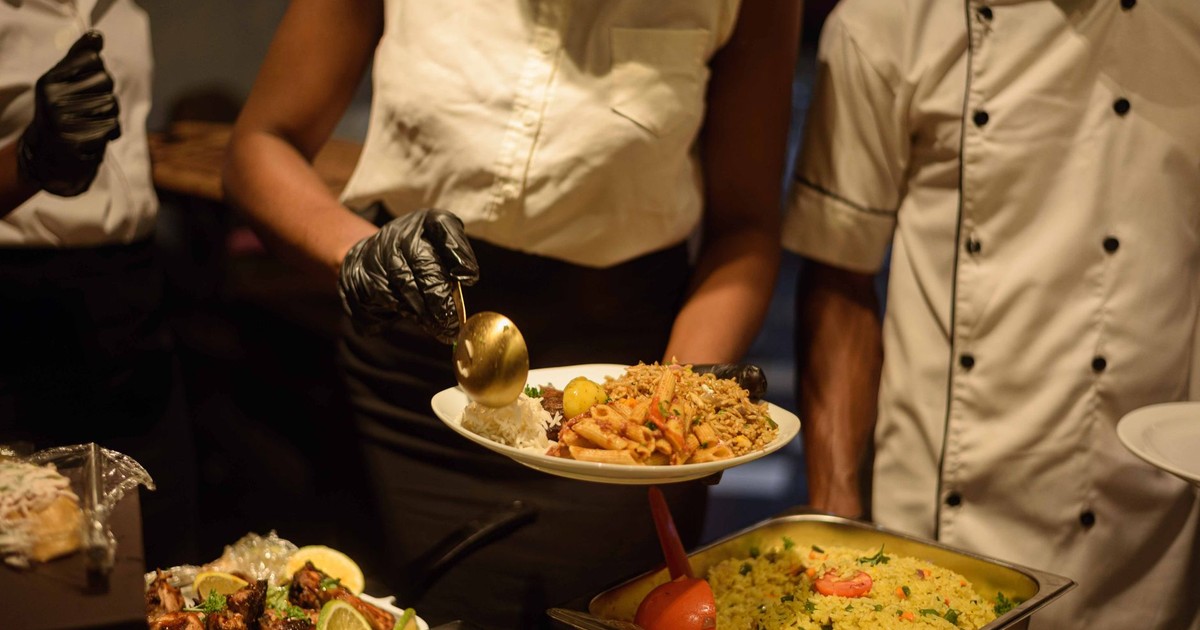
Booking a reservation for four and showing up with eight, expecting the restaurant to simply accommodate the larger group, is one of the cardinal etiquette violations in dining. Every table in a restaurant is a deliberate configuration. A table for four doesn’t become a table for eight because you’ve decided it should. The kitchen prep, the server’s section, the pacing of service: all of it was planned around the number of guests who were expected.
This happens more than restaurants like to advertise. Someone books the only available table for two, intending from the start to show up as a party of five. Someone adds guests to a dinner party after the reservation was made and doesn’t update the booking. The result is either a scramble to reconfigure the room, other guests being displaced, or a flat refusal at the door that feels like the restaurant is being unreasonable when it isn’t.
If your group size changes after you’ve booked, call. Most restaurants will try to accommodate updates if they’re given enough notice. What they can’t do is rearrange a full dining room on the spot because a courtesy wasn’t extended.
You can learn more about the specific unwritten rules that apply at higher-end establishments in this guide to steakhouse etiquette mistakes that trip up even experienced diners.
12. Under-Tipping or Getting Creative With It
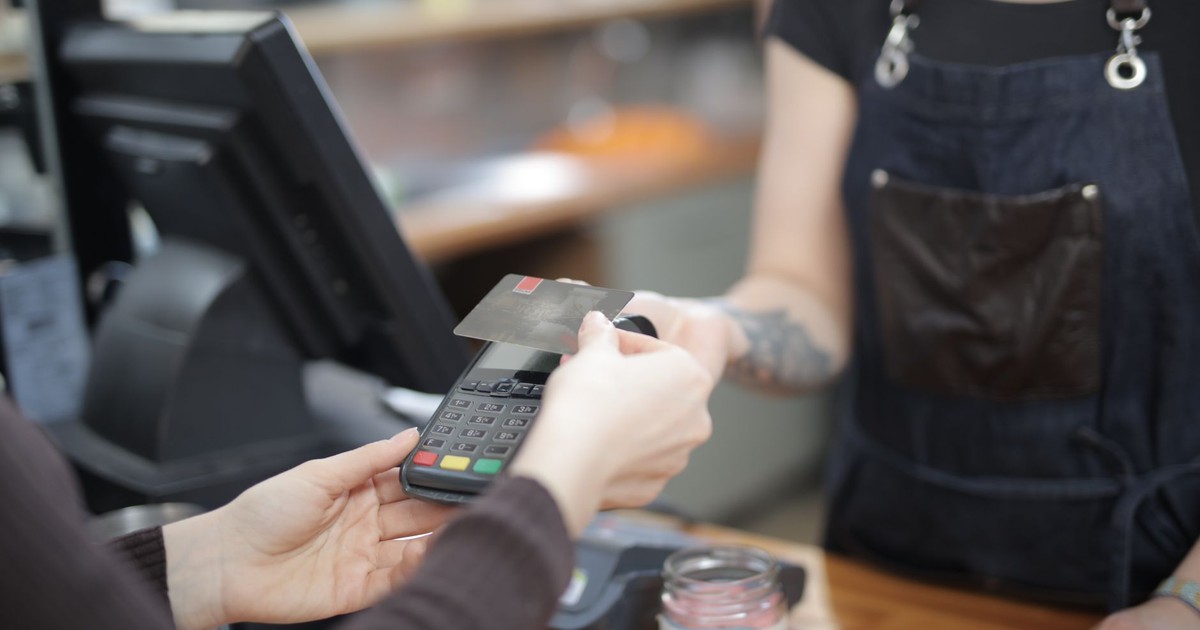
In the U.S., tipping remains the norm even in fine dining, and 20% is the standard baseline, not the aspirational ceiling. In most American restaurants, the server’s hourly wage is built around the assumption that tips will make up the bulk of their income. Maryanne Parker, a professional etiquette coach and author of Manor of Manners, puts it plainly: “The appropriate tip these days is 20%, minimum.”
“Creative” tipping, which means leaving a handwritten note instead of cash, rounding to a dollar amount technically below 15%, or calculating the tip on the pre-tax total to shave off a few dollars, registers immediately. Servers talk. They also remember. A bad tip on a large table can mean a server worked a four-hour evening for less than minimum wage after tip-outs to the kitchen and host.
The same applies to leaving nothing on the logic that service was imperfect. One drink that came late or an order that took an extra few minutes is not a tip-forfeiture offense. Unless the service was genuinely egregious and unacknowledged, the standard applies.
What You’re Actually Signaling

Most of the behaviors on this list share the same root. They happen when you think of a restaurant as a place where you’re being served, rather than a shared space where you, the staff, and everyone around you are all trying to have a decent evening. The server is trying to. The kitchen is trying to. The couple at the next table who’ve been looking forward to this dinner all week are trying to.
That reframe changes almost everything. You stop snapping your fingers when you think of the server as a person managing a complicated room under time pressure. You stop no-showing when you think about the prep cook who came in at noon and the walk-in guests who were turned away. You put your phone down when you remember that the person across from you made time for this meal too.
None of it requires formal training or memorizing fork placement. Restaurant etiquette mistakes rarely come from bad character. They come from not paying attention to the fact that you’re not the only one in the room. Once you start noticing that, most of the list takes care of itself.
AI Disclaimer: This article was created with the assistance of AI tools and reviewed by a human editor.