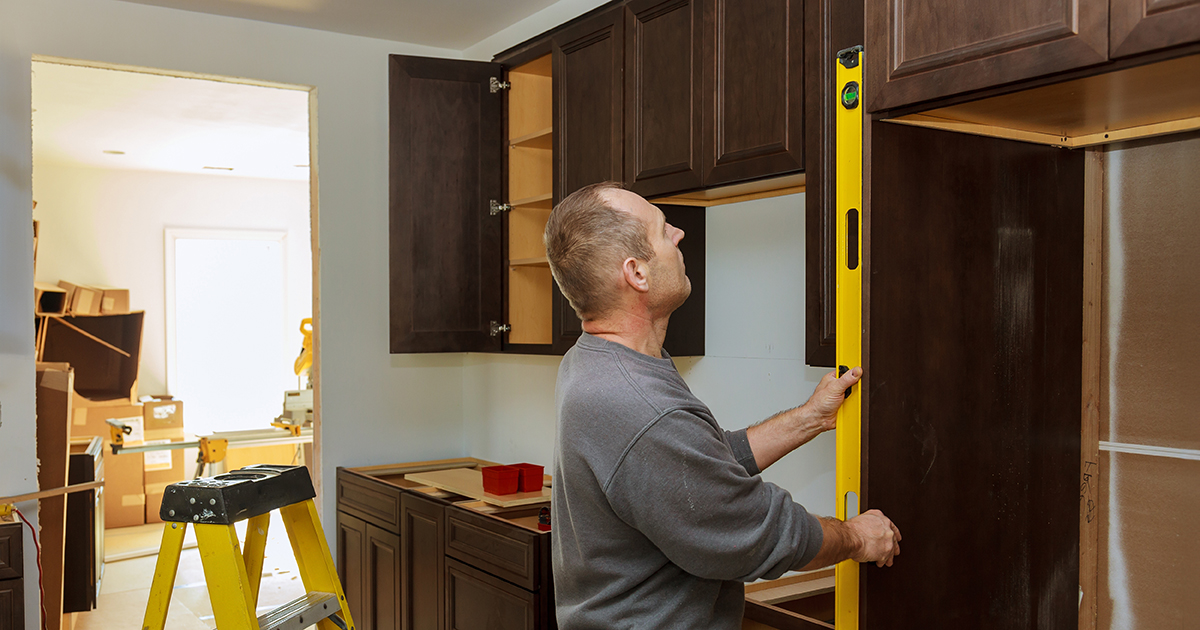

Every Thursday morning in the Twin Cities, a crew of retired men arrives at a construction site with framing hammers, no corporate agendas, and absolutely nowhere else they need to be. They are not contractors. Most of them spent their careers behind desks in tech sales, engineering departments, and executive suites. But somewhere in that corridor between the last day of work and the first year of having nothing scheduled, they found their way to a building site – and they have been coming back every week since.
They call themselves the Third Act. The name comes from the structure of a three-act play: education first, then career, then whatever comes after. For this particular group of retired Baby Boomers, what came after turned out to be picking up tools and building homes for families who cannot afford to buy them any other way. It is not charity in the way people usually imagine it. There is no gala, no press release, no sponsored Instagram post. There is just a job site and a standing Thursday commitment and the particular satisfaction of watching a foundation become a house.
The housing crisis they are responding to is not abstract. Across the country, the gap between what families earn and what homes cost has widened into something that no amount of personal financial discipline can bridge alone. In the Twin Cities specifically, the median home price has climbed toward $390,000, while a family at 50 percent of the local area median income can typically afford a mortgage of only around $160,000. That is a gap of more than $200,000 standing between a family and a stable place to live.
Who the Third Act Actually Are
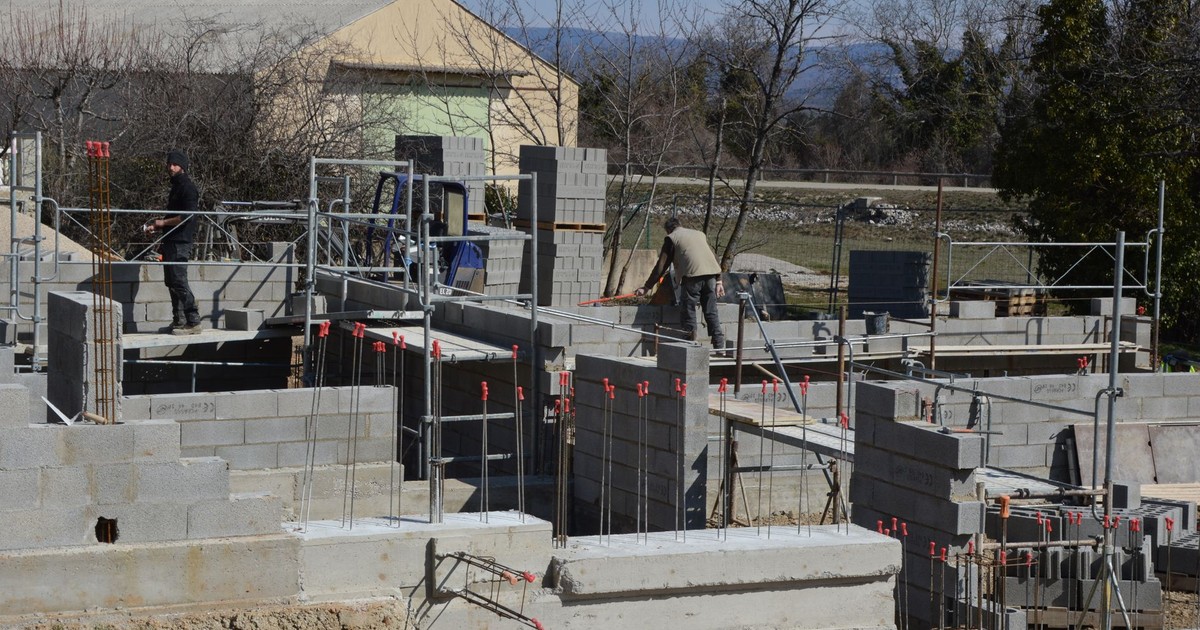
Every Thursday, a volunteer crew known as the Third Act builds homes with Twin Cities Habitat for Humanity. According to a February 2026 Newsweek report, most of the men are retired – former corporate executives, engineers, and sales managers. Barry Mason, who retired after a nearly 40-year career in technology sales and marketing and later served as board chair for the Twin Cities Habitat affiliate, organized the crew and gave it the Third Act name.
Retirement presented a new question for Mason: what comes next? “You go from decades of structure and responsibility to suddenly having none,” he told Newsweek. “It’s not all recreation.” He envisioned something regular – not a one-off volunteer day but a standing commitment. The name Third Act comes from the structure of a three-act play: education, career, and then the post-professional stage of life.
The work varies from day to day. Some shifts involve framing walls or installing trim. On others, the crew hangs interior doors in older homes, where few surfaces are perfectly square. Site supervisors provide direction, while more experienced volunteers help those still learning the craft. Mike Koepke, who joined about four years ago after retiring from corporate life, said the experience filled a gap he had not fully anticipated. “When you retire, you leave your team,” he said. “This gives you another one.”
The Housing Crisis Behind the Hammers
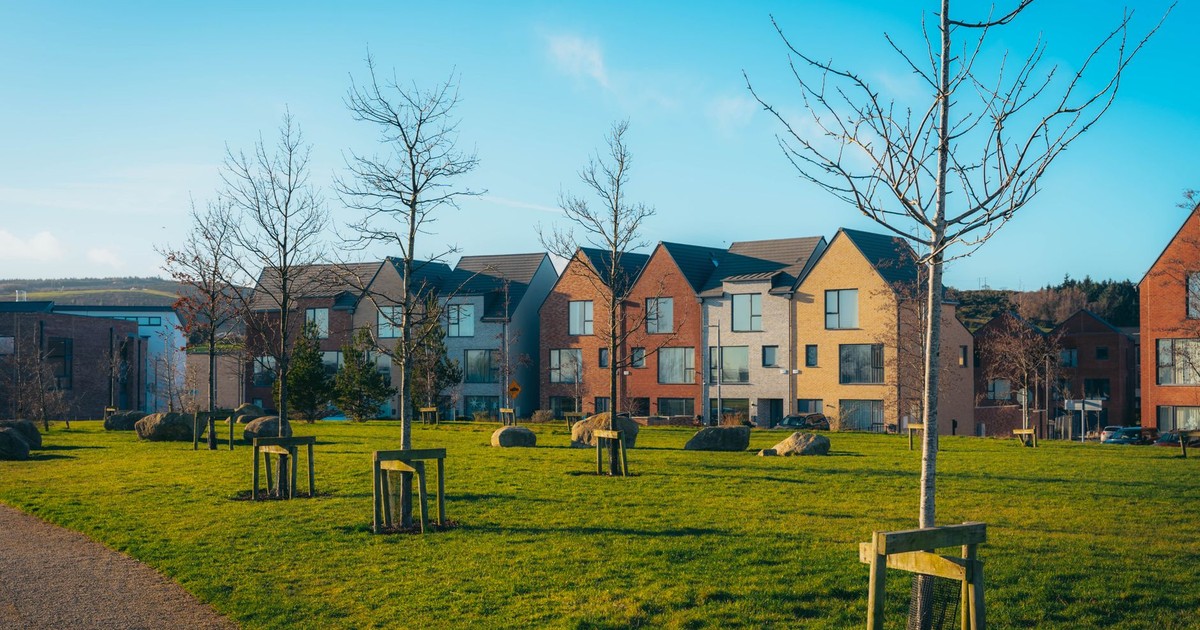
In metropolitan regions such as Minneapolis-St. Paul, home prices have grown faster than median incomes for much of the past decade. Entry-level homes – once the traditional starting point for first-time buyers – have become increasingly scarce. The median home price in the Twin Cities has climbed toward $390,000, while a family at 50 percent of the area median income can typically only afford a mortgage of approximately $160,000.
Home prices reached a new all-time high in 2024, slowing homeownership growth and widening homeownership gaps. Both housing shortages and housing cost burdens were at their highest rates in years, leaving millions of potential first-time buyers priced out.
Barry Mason and the Third Act volunteers face this head-on. “The magnitude of the housing shortage is such that everybody has to be involved,” Mason said. Volunteer labor is not a hobby supplement to Habitat’s work – it is structurally built into the model. Families in need partner with Habitat for Humanity to build or improve a place they can call home, and Habitat homeowners help build their own homes alongside volunteers and pay an affordable mortgage. The retired engineers who know how to frame a wall are not peripheral to that work.
What Habitat for Humanity Actually Does With All Those Hours
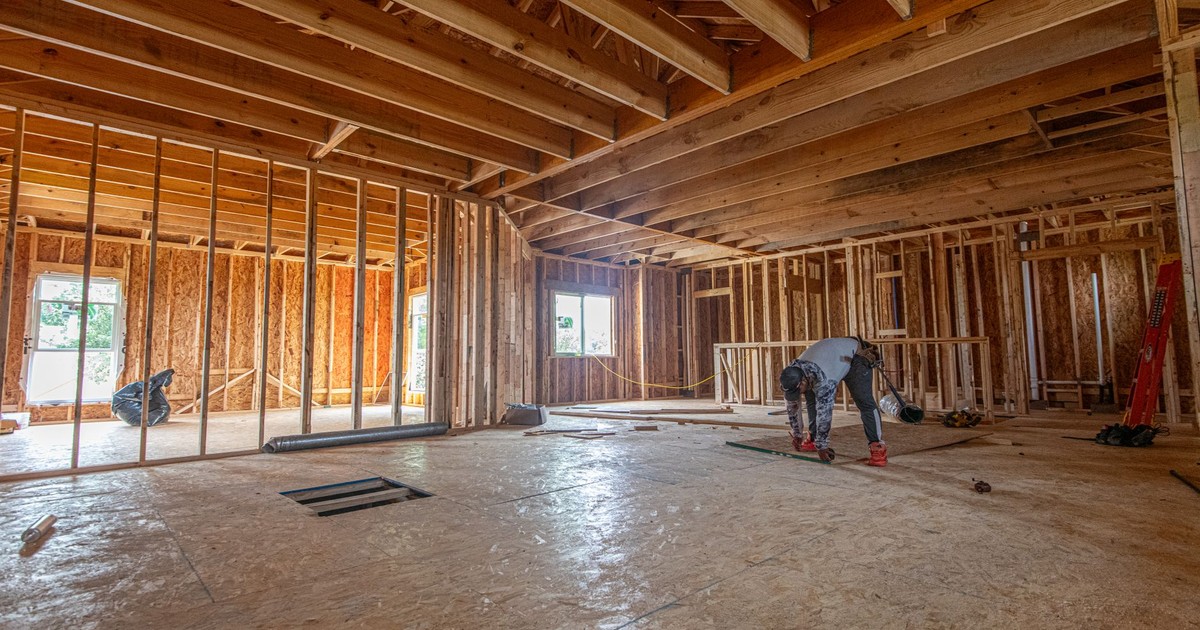
In 2025, Habitat for Humanity helped 3 million people build or improve a place to call home. An additional 20.8 million people gained the potential to improve their housing conditions through training programs and advocacy work driven by Habitat in local communities.
Habitat’s global network logged more than 820,000 volunteers who helped build, advocate, and raise awareness about the global need for shelter in the past year, according to CEO Jonathan Reckford’s statement in the organization’s fiscal year 2025 annual report. Since 1976, Habitat for Humanity has helped more than 65 million people build or improve the place they call home.
The model is deliberately structured so that no one needs credentials to walk onto the job site. No prior experience is required – site supervisors provide all training. What the organization needs is time. Which, as it happens, is the one resource retired people have in abundant supply.
Why Retirement Is the Unexpected Superpower Here

There is something specific that retirees bring to this kind of work that younger volunteers, with their weekends carved up between family obligations and second jobs, often cannot: consistency. A retired volunteer who commits to every Thursday is more valuable, in practical construction terms, than ten different volunteers who each come out once. A crew that knows each other and knows the site works faster and makes fewer mistakes. The learning curve gets shorter each week. The relationship with the future homeowner has time to become real.
As Mason put it, “A lot of retired guys want purpose. But they also want camaraderie.” Both of those things are in short supply in early retirement for many people, and both of them are available on a Habitat construction site. The Habitat for Humanity Women Build program, which has run since 1991, draws volunteers from all walks of life for weeks-long building events, and increasingly those volunteers include retired women who have the same combination of available time and accumulated professional skill. In Albemarle County, Virginia, in March 2026, more than 300 volunteers spent days framing walls, hammering nails, and cutting wood as part of that year’s Women Build effort – a multi-week project raising the walls of five homes in the Southwood community redevelopment.
The retirement years used to be imagined primarily as a destination: a place of arrival, of well-earned rest. What the Third Act volunteers have found is something closer to a second kind of work – one with physical demands and social rewards and a completed house at the end of it that stands permanently in a neighborhood and houses a family who could not have gotten there without them.
The Broader Picture: When “Retirement” Becomes Rebuilding
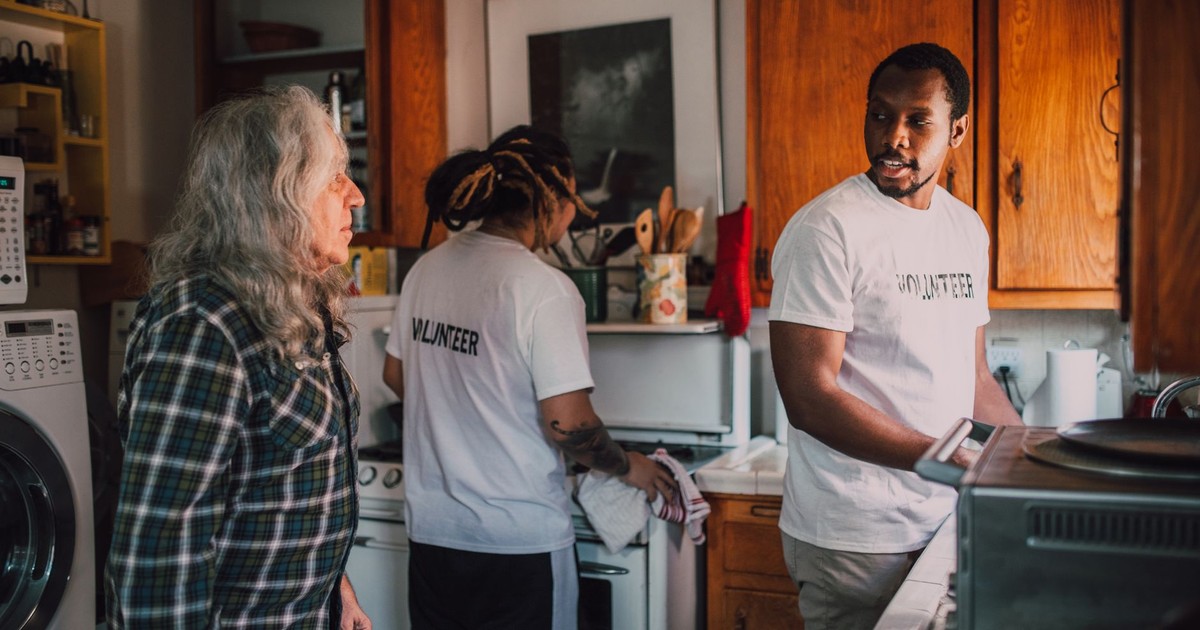
The Third Act group is the clearest example of this phenomenon, but it is far from the only one. Habitat affiliates across the United States run dedicated programs for older volunteers, recognizing that the over-55 population brings not just time but professional expertise. ReStore volunteer roles are indoors, climate-controlled, and designed for all ages and abilities – and are described as ideal for retirees or anyone with limited mobility, offering an entry point for people who want to contribute to the home-building mission without working a construction site. Former accountants manage inventory. Former marketers help run fundraising campaigns. Former lawyers navigate land-use issues. The organizational infrastructure that supports every nail hammered on every job site is built by people who are doing what they always did, just now without a salary.
Habitat’s model combines public and private inputs. Homes are financed through a mix of philanthropic contributions, volunteer labor, private lending, and in some cases public support. Homebuyers complete financial education before purchasing with an affordable mortgage. Every element of that chain depends on people who have chosen to be part of it. The retired sales manager who helped frame the walls is connected, structurally, to the family who signs the mortgage and moves in a year later.
Stories like the Third Act’s remind us that giving back to community does not require a specific platform – whether it is a retired Boomer with a framing hammer or someone like Bon Jovi using his celebrity to feed hungry families, the impulse to spend time and skill on someone else’s stability is older than any particular moment in the housing market.
What This Asks of the Rest of Us
The story of retirees building homes has been received mostly as heartwarming, and it is. But there is a secondary question buried underneath the warmth: if retired people with no construction background can spend their Thursdays building houses, what is the rest of the volunteer-eligible population doing with its time?
That is not a guilt trip. It is an observation about opportunity. The barriers to volunteering with Habitat are genuinely low. No experience, no tools, no special training required. What the organization needs – and what the housing crisis demands – is a recurring commitment rather than a single generous Saturday.
Across Habitat’s more than 1,000 affiliates operating in all 50 states, volunteer hours accumulate into a structural component of the home-building mission – not a supplement to it. At the affiliate level, the Peninsula and Greater Williamsburg Habitat in Virginia offers one example of how local organizations track and report that contribution annually. Multiply consistent volunteer engagement across the full national network, and the scale of the collective effort becomes significant. Volunteer time is not a supplement to the housing solution. It is a significant structural component of it.
What “Purpose” Actually Looks Like Past Sixty

There are entire industries built on helping people prepare financially for retirement. There are very few built on helping people prepare for what retirement does to your sense of usefulness. The American Baby Boomer has become an easy target in recent years – blamed for soaring home prices, stagnant wages, student debt, and widening inequality. The Third Act is not a rebuttal to that critique, exactly. But it is a complication.
What Barry Mason built is small in scale relative to the housing crisis it is trying to address. There is no pretending otherwise. One crew, one day a week, in one American city is not going to resolve a national shortage that has been building for decades. Mason acknowledges as much: “The magnitude of the housing shortage is such that everybody has to be involved.” Everybody. Not just the policy-makers and the developers and the city planners, but the retired engineers with time on their hands and the women who spent forty years running organizations and the people who have spent their entire careers acquiring skills that turn out to be useful on a job site.
The Third Act arrives every Thursday. The family moves in eventually. The house stands in the neighborhood. And then the crew comes back the following week and starts again.
Where to Start If This Resonates

The easiest first step is not walking onto a build site with a hammer you do not know how to use. It is going to habitat.org and entering your zip code. Every local Habitat affiliate runs its own volunteer calendar, and most of them list opportunities by skill level, physical requirement, and time commitment. If you are retired and looking for something recurring rather than a one-off Saturday, say that when you contact them. The affiliates that have seen the most sustained volunteer impact are the ones where people made a standing commitment – a specific day, every week or every month – rather than a generous but sporadic appearance.
If construction is genuinely not an option – bad knees, a back that has its own opinions, a preference for indoor work – the ReStore path is real and it matters. Donated materials sold through ReStore locations fund the builds directly, and the volunteer roles there range from intake to merchandising to customer service. Former retail managers, former logistics coordinators, former teachers who are good with people and patient with disorganization: all of them have landed in ReStore roles and stayed for years. The house that gets built two miles away is partly funded by the Saturday you spent organizing donated cabinet hardware in a warehouse. That connection is less visible than framing a wall, but it is not less real.
For anyone who wants the version closest to what the Third Act built, the move is to find two or three other people who are in the same post-retirement stretch and propose a regular cadence to your local affiliate together. A group is easier to sustain than an individual commitment – the social pull of getting out the door together on a Thursday morning is often what actually makes it happen, in a way that personal motivation alone rarely does. Barry Mason did not build a volunteer program. He built a crew. The distinction is everything.
Disclaimer: This information is not intended to be a substitute for professional medical advice, diagnosis, or treatment and is for information only. Always seek the advice of your physician or another qualified health provider with any questions about your medical condition and/or current medication. Do not disregard professional medical advice or delay seeking advice or treatment because of something you have read here.
AI Disclaimer: This article was created with the assistance of AI tools and reviewed by a human editor.