
Wildlife conservation is one of those professions that sounds romantic from a distance and considerably less so once someone explains what it actually requires. The cameras and the khaki and the excitement of being up close with wild animals – all real. Also real: the part where the research method for studying crocodiles involves jumping onto their backs in the wild, which is a sentence that sounds like a joke until you learn that it is standard practice, that a specific person invented it, and that his son is still out there doing it.
The son is Robert Irwin, 22 years old, wildlife conservationist, photographer, and by any reasonable measure, one of the more recognizable young Australians working in public life right now. The late-night television appearance is a reliable setting for celebrity stories – the host asks a question, the guest delivers something just disarming enough to land – but occasionally a guest walks in with a story so specific and so absurd that the format can barely contain it. The crocodile story is one of those.
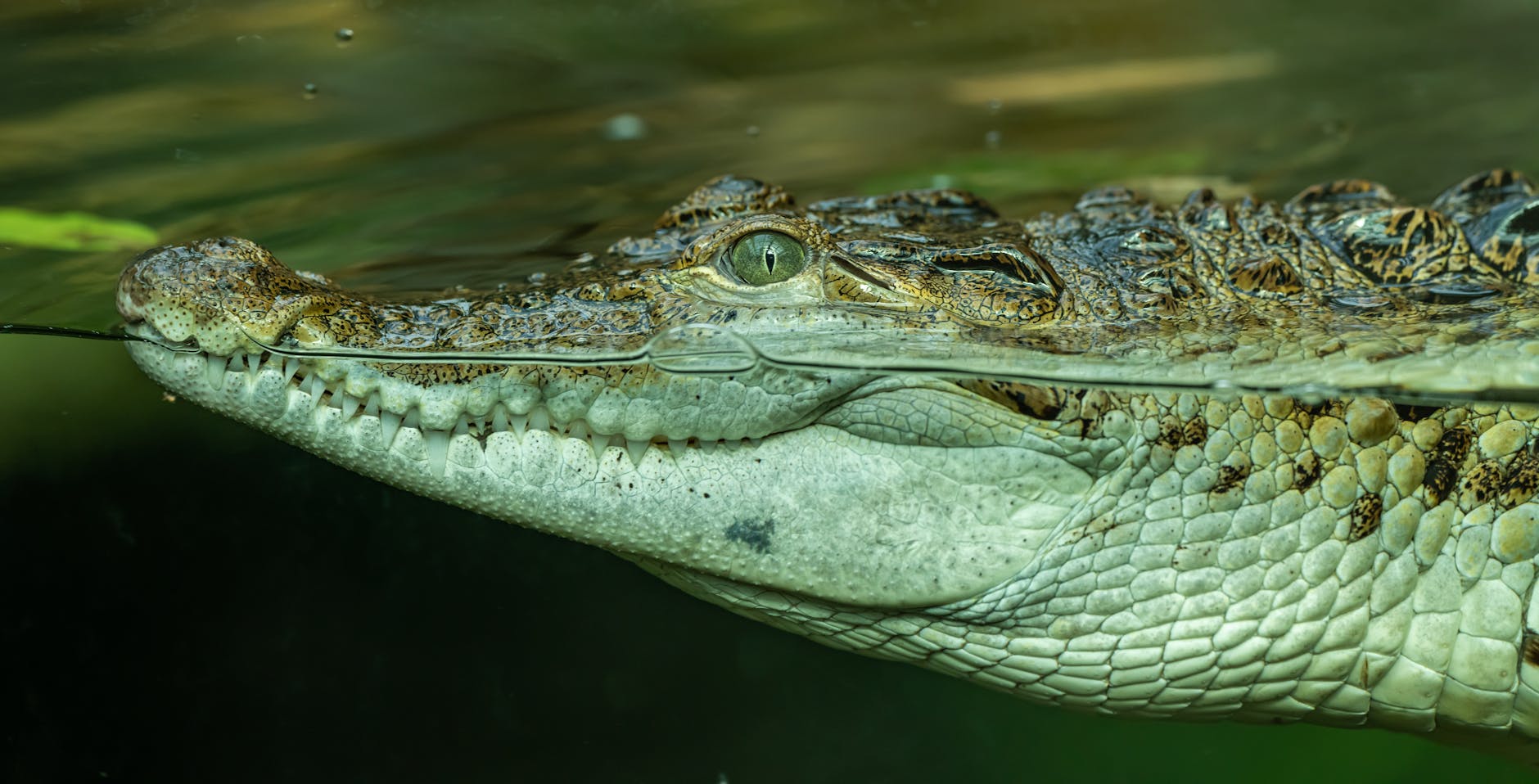
The crocodile’s name is Jimmy Fallon. Robert named it years ago, when it was small enough to seem like a reasonable naming decision. It is no longer small. And it had opinions about being used as a research subject.
The Robert Irwin Alligator Mix-Up – And What Actually Happened
If you searched “robert irwin alligator” to find this story, you are in good company and also slightly off: the animal is a crocodile, not an alligator. The two are different species, and Australia’s saltwater crocodiles – the kind Robert works with – are among the most formidable reptiles on earth. People use the terms interchangeably in casual conversation, which is understandable, and both animals share the same general reputation for being animals you do not want to be underneath.
Robert researches crocodiles in the wild, which led to the story he shared during his appearance on The Tonight Show alongside Jimmy Fallon. He opened up about an encounter with a “boss croc” that he had named after the host. In the clip, Fallon asked about the baby crocodile Robert had named after him. “I did!” Robert confirmed, explaining that the crocodile was no longer a baby and had become what you would call a boss croc.
The research method itself deserves a moment of explanation. As Robert described it, researchers have to actually jump on crocodiles in the wild to better conserve them – a technique his dad came up with. He jumped on the back of Jimmy Fallon and, as he told it, the crocodile death-rolled him. “I’m stuck underneath him with my arm hanging out, I’ve got like probably, I don’t know, maybe 700 pounds on top of me, and I’m just like ‘What do I do?'” according to Parade. Luckily, the crocodile rolled back the other way and Robert walked out fine.
Fallon cheered for his namesake. The audience, presumably, needed a moment.
What a Death Roll Actually Is
If you are unfamiliar with the term and are now very glad about that, here is what you need to know. The death roll is a defensive technique where the crocodile grabs its prey and spins rapidly, on land or underwater, to overpower it. It is not a metaphor. It is not an exaggeration. The spinning exploits the fact that muscles and tendons resist pulling force but are far weaker against torsion – a twisting force. The roll essentially unscrews things that were meant to stay attached.
That Robert emerged from this with all his limbs intact says something about both the crocodile’s apparent mood and Robert’s ability to stay calm when 700 pounds of prehistoric muscle decides he looks like a problem to be solved. The crocodile weighed approximately 700 pounds and demonstrated typical defensive behavior when threatened. During conservation research, wildlife handlers sometimes need to interact directly with dangerous animals.
Baby crocodiles have been observed practicing the death roll when fighting over food scraps, long before they are large enough to make it anyone’s serious problem. The Jimmy Fallon crocodile was well past that phase. The fact that the story gets told as a funny anecdote on late-night television, rather than as a tragedy, is genuinely fortunate.
The Irwin Who Jumped on a Croc and Then Won a Dance Competition
There is something enjoyably absurd about the sequence of Robert Irwin’s recent public life. He spent years working in some of the most remote parts of Queensland, jumping on crocodiles in the name of science, and then in the fall of 2025 he went on American television to do the cha-cha. Both things, it turns out, require the same underlying quality: a complete refusal to be paralyzed by the fear of looking ridiculous.
Irwin took home the mirror ball trophy in Season 34 of Dancing with the Stars alongside professional partner Witney Carson. His sister Bindi had won the show a decade earlier, in 2015, so the Irwin family now holds two mirrorball trophies, which is the kind of detail that feels completely on-brand for them. Robert earned 72 million votes according to UNILAD, the highest any winner had received in the show’s history.
During his run on the show, Robert said that every time he stepped into the ballroom, he was representing the legacy his father and mother created – not only as a wildlife conservationist, but also as someone working hard to spread positivity and passion. The show gave him something he had not had before in America: a weekly platform for a message that had nothing to do with ratings and everything to do with conservation. Viewers who had grown up watching Steve Irwin on television found themselves unexpectedly emotional watching Robert take the floor each week.
The Shadow That Follows Him Everywhere
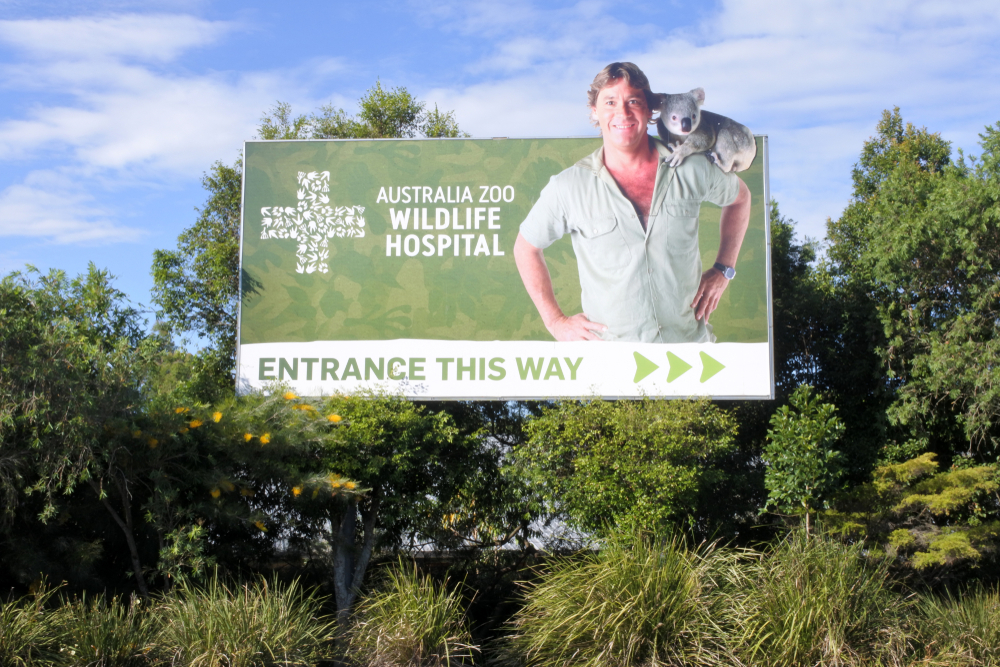
You cannot talk about Robert Irwin without talking about Steve Irwin, and Robert has never tried to make you do that. His father is present in everything he does, and he does not perform grief about it or keep it at arm’s length. He carries it openly, which is its own kind of courage when the person being remembered is beloved by millions of people who feel entitled to weigh in on whether you are honoring them correctly.
Steve Irwin died in September 2006 after a stingray’s tail pierced his chest and caused a fatal injury to his heart while filming a documentary on the Great Barrier Reef, when Robert was 2 years old, according to TODAY. Since his death, his wife Terri and their two children, Robert and Bindi, have taken over his mission of advocating for all animals and running the Australian Zoo in Queensland.
Robert grew up in the full glare of public grief. Complete strangers felt they knew him and constantly compared him to his dad. And yet he keeps choosing the work. He jumps on crocodiles. He researches in the wild. He uses every platform – reality television, late-night appearances, wildlife photography – to point back toward conservation. As Robert has put it himself, “Behind everything I do is a conservation mission that my dad started.”
The crocodile named Jimmy Fallon is, in its own way, a perfect piece of that legacy. Steve Irwin named animals, talked to them, and treated them as individuals with personalities worth noting. His son does the same thing. The fact that one of those individuals is now a 700-pound boss croc with an American talk show host’s name, who once tried to pin the person doing the research to the ground, is the kind of story that only the Irwins produce – and only the Irwins can tell without it sounding like a complaint.
What Happens Next for Robert Irwin
Robert has recently been named the host for Dancing with the Stars: The Next Pro, a spinoff in which dancers compete against each other for a spot as a pro on the upcoming season of the main show. He is 22, he has the name recognition, and he has demonstrated an ability to speak directly to an audience without condescension, which is rarer than it sounds. Talking about what he hopes the role will accomplish, Robert said he wants “to tap into every single medium to spread positivity and a sense of passion and fun, and of course wildlife conservation as well,” according to Robin Raven.
The new role has him hosting a competition in which professional dancers will compete for a position on the upcoming season of the main show. Not many 22-year-olds have a clear, articulated purpose behind everything they do publicly. Most people twice his age are still working it out.
Read More: Child Stars From ‘Mrs. Doubtfire’ Reunite 31 Years After Its Release ‘We Still Feel Like Siblings’
Still Out Here Jumping on Crocodiles
The thing about Robert Irwin is that the Dancing with the Stars win and the Tonight Show appearance and the upcoming hosting role are all real, and none of them are the main event. The main event is still the research. The ballroom was always going to be a detour. The waterways of Queensland are where he actually lives.
Not many people with a viral moment and 72 million votes cast in their favor would walk back into a situation where a crocodile named after a talk show host might pin them to the ground again. Robert Irwin does it because his father built that research method, and because the animals depend on the data, and because the name on the crocodile is, at this point, a funny story to tell on television rather than a reason to stay out of the water. He has spoken openly about how honored he is to continue that work, and the word “honored” does not sound hollow when the proof of it is a 14-foot crocodile and the willingness to jump on its back again tomorrow.
The joke and the weight behind it exist at the same time. You do not have to choose which one to take seriously.
AI Disclaimer: This article was created with the assistance of AI tools and reviewed by a human editor.