

Saving money is one of those things that sounds simple right up until you’re staring at your bank account on the 19th of the month wondering where it all went. You didn’t go on vacation. You didn’t buy anything extravagant. You just lived. And somehow, living costs more than it used to, more than it feels like it should, and more than anyone warned you it would when you were younger and optimistic about your earning potential.
For the first time in three years, prices are rising faster than paychecks. From April 2025 to April 2026, nominal wages grew 3.6 percent, while inflation rose 3.8 percent. Nearly 24 percent of U.S. households live paycheck to paycheck in 2025, up from the year before, according to the Bank of America Institute. That figure measures only households spending more than 95 percent of their income on necessities. The rest of us – the ones with a little left over but not enough – rarely appear in the data at all.
None of this means you’re bad with money. It means money is genuinely harder right now. So here’s a list that skips the condescension and gets into the specifics – 20 strategies that are actually worth your time.
1. Automate a Transfer the Day After Payday

Set up an automatic transfer from your checking account to a separate savings account for the day after your paycheck arrives – not the same day, because timing glitches exist, and not a week later, because by then the money has already been mentally allocated to other things.
The amount doesn’t have to be large. Twenty-five dollars is a real transfer. When saving is automatic, you stop deciding whether to do it and start deciding how much.
2. Put That Savings in a High-Yield Account

If your savings are sitting in a traditional bank account, you are almost certainly earning almost nothing on them. The national average U.S. savings account rate is just 0.38 percent APY as of mid-2026, according to FDIC data. The best online savings accounts currently offer up to 4.21 percent APY, with most rates hovering in the 2.50 to 4.21 percent range for most of 2026.
Moving your savings to a high-yield account at an online bank takes about fifteen minutes. You are not locking the money away – it remains accessible. You’re simply refusing to leave money on the table for no reason.
3. Use Zero-Based Budgeting for One Month

Most people budget by looking backward – checking what they spent and feeling vaguely guilty about it. Zero-based budgeting flips that. You start with your income and assign every single dollar a job before the month begins. Housing, groceries, gas, savings, subscriptions, the occasional dinner out – all of it gets a line, and those lines have to add up to zero.
The first month is the hard one. You will discover things. A forgotten streaming service, a gym membership you’ve been “about to cancel” since February, subscriptions that auto-renewed without so much as an email. Do it once, and you’ll know your actual numbers instead of your approximate ones.
4. Audit Your Subscriptions Ruthlessly

Recurring charges are the financial equivalent of a slow leak. You don’t notice them month to month because they’re small and automatic, but they add up. Pull up your credit card and bank statements right now – not in theory, today – and look for every subscription charge in the last 60 days.
The standard advice is to cancel what you don’t use. Better advice: also cancel what you use only because you’re paying for it. The streaming service you keep because you’d feel wasteful canceling it is not saving you money – it’s costing you money while also making you feel slightly obligated to watch television. Cancel it.
5. Meal Plan Before You Shop

Groceries have become one of the most impactful budget categories to address, with food costs climbing steadily in recent years. Meal planning reduces last-minute takeout orders and impulse grocery buys. Cooking larger meals to pack leftovers for lunch, plus shopping with a list based on your actual plan, helps avoid buying things you don’t need.
Walk into a grocery store knowing exactly what you’re buying instead of wandering the aisles picking up things that seem like a good idea at the time. The difference in your weekly bill will be noticeable within the first week.
6. Shop the Store Brands

The price difference between a national brand and the store-brand equivalent has widened in recent years, and in most product categories the quality gap has effectively closed. Cleaning products, pantry staples, over-the-counter medications, frozen vegetables – the name on the packaging is doing almost nothing for you except adding cost.
Give the cheapest grocery stores a try, too. Stores like Aldi and Lidl are built around private-label products and pass the savings directly to the customer. Doing your weekly shop at one of them instead of a traditional supermarket can cut your grocery bill by a meaningful amount without changing what you eat.
7. Understand the 50/30/20 Rule, Then Adapt It

The 50/30/20 rule assigns 50 percent of after-tax income to needs, 30 percent to wants, and 20 percent to savings and debt repayment. It’s a useful framework, not a moral law. If you’re in a high cost-of-living city, your needs may consume 65 percent of your income and the math simply doesn’t square. That’s not a failure – it’s an economic reality.
Use it as a diagnostic rather than a target. If your “needs” bucket is absorbing 80 percent of your income, you know where to look: housing, transportation, or both. If your “wants” bucket is enormous and your savings bucket is empty, you also know what’s happening.
8. Pay Off High-Interest Debt First
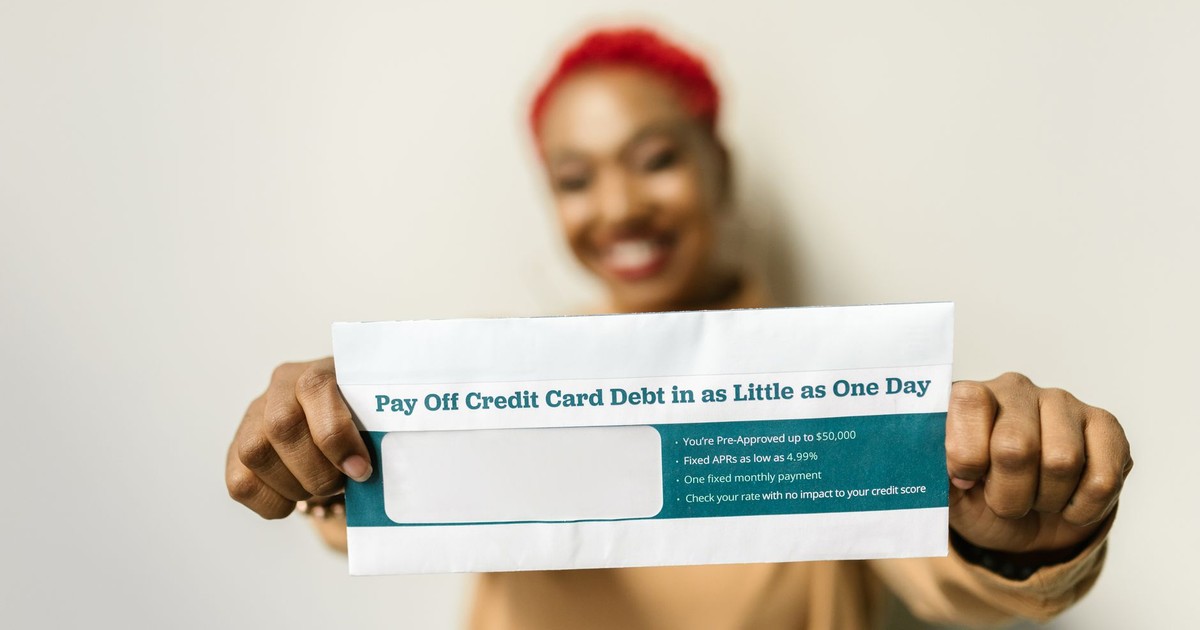
Carrying credit card debt while trying to save money is the financial equivalent of filling a bathtub with the drain open. The longer you carry balances with high rates, the more you pay in interest, according to CNBC Select.
The avalanche method – paying the minimum on all debts and directing every extra dollar at the highest-interest balance first – costs you the least money in total interest paid. The snowball method – tackling the smallest balance first for psychological momentum – keeps some people in the game long enough to finish. Pick whichever one you’ll actually do.
9. Set a Specific, Dated Savings Goal

“I want to save more money” is not a goal. It’s a sentiment. A goal is: “I want $3,000 in a separate account by December 31st, which means I need to transfer $300 a month starting now.”
When your savings are attached to something – a car repair fund, a trip you’ve been putting off for three years, three months of expenses in case something goes sideways – skipping the transfer feels like giving something up rather than keeping something you don’t need.
10. Negotiate Your Fixed Bills

Your phone bill, your internet service, your car insurance – all of these are more negotiable than the companies would like you to believe. Call customer service and ask what retention offers exist. Mention a competitor’s rate. Ask specifically whether there’s a loyalty discount. The worst they can say is no, and it takes 20 minutes.
Car insurance in particular tends to creep upward year after year at renewal, especially if you haven’t shopped around recently. Getting quotes from three competitors costs nothing and often produces a better rate than simply accepting the renewal.
11. Cook at Home for Lunches First

A $14 lunch five days a week is $280 a month, or $3,360 a year – on food you probably didn’t enjoy as much as you would have if it felt like a treat. Starting with lunch rather than dinner tends to be more sustainable because the expectation of cooking dinner every night creates burnout faster.
Pack leftovers from dinner the night before. It requires zero additional cooking and converts a per-serving cost of roughly $3 into a full meal.
12. Build a Small Emergency Fund Before Anything Else

Without an emergency fund, every unexpected expense becomes a debt event. The car registration, the dental bill, the refrigerator repair – all of it goes on a credit card, and all of it accrues interest, and all of it makes the next month harder. An emergency fund is meant to cover unexpected expenses like medical bills, car repairs, or sudden loss of income.
Start with a goal of $500. It’s small enough to reach quickly and large enough to handle most minor emergencies without touching credit. Once you have $500, aim for $1,000.
13. Use Cash-Back and Reward Cards Strategically

If you pay your credit card balance in full every month, a cash-back card is a discount on everything you already buy. Groceries, gas, utilities paid by card – all of it earns you something back. The catch is “if you pay the balance in full.” The moment you carry a balance, the interest wipes out the rewards and then some.
Check whether your current card has bonus categories – many pay 3 to 5 percent back on groceries or gas – and whether you’re actually using those categories to maximize the return.
14. Implement a 24-Hour Rule on Non-Essential Purchases

Impulse purchases tend to feel urgent and obviously necessary at the point of considering them. They rarely feel the same way 24 hours later. The rule is simple: anything that isn’t food, a bill, or a genuine emergency waits 24 hours before you buy it. Add it to a list, let it sit, and revisit it tomorrow.
The number of things you will forget you wanted, decide you don’t actually need, or find cheaper elsewhere after a brief search is high enough to make this habit meaningful. Online shopping in particular relies on the frictionless, same-session purchase. Introducing any friction at all drops the conversion rate substantially – including on yourself.
15. Track Every Dollar for 30 Days

Not forever. Not as a lifestyle. Just once, for one month, track every single dollar that leaves your possession. Every coffee, every gas fill-up, every “it was only $8” purchase that happens four times a week. The purpose is not guilt – it’s data.
Most people who do this discover two or three categories where their spending is significantly higher than they assumed. Not because they’re careless, but because small frequent purchases are genuinely difficult to mentally account for without a record.
16. Buy Secondhand First

Before purchasing anything that isn’t consumable – clothing, furniture, tools, children’s gear, kitchen appliances – check secondhand sources first. Facebook Marketplace, Poshmark, ThredUp for clothing, and local thrift stores have all expanded dramatically in recent years. The product is frequently identical to new, the price is not.
Children’s clothing in particular is a category where buying secondhand is almost always the correct financial decision. Kids outgrow sizes in months. The clothes are often barely worn. Paying full retail price for a shirt a child will wear four times is an easy habit to break once you start noticing it.
17. Reduce Utility Costs With Small Adjustments
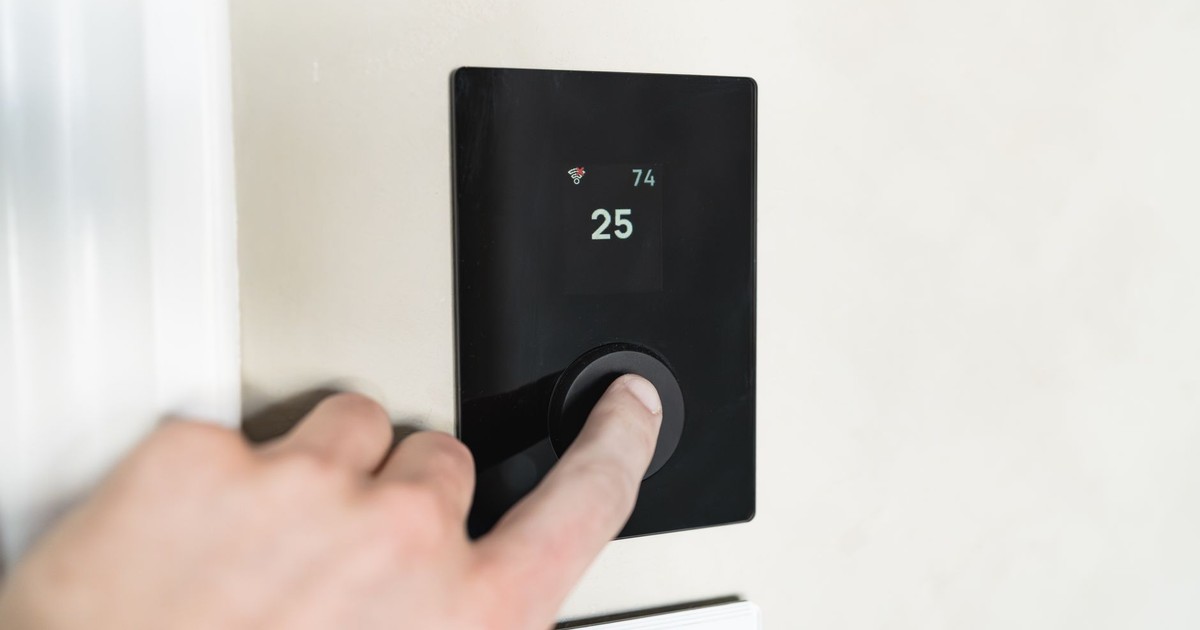
Utility costs respond directly to behavior in ways that compound over months. Lowering your thermostat by two degrees in winter and raising it two degrees in summer, running the dishwasher and washing machine in off-peak hours, switching to LED bulbs if you haven’t already, and unplugging devices on standby all produce real reductions in your monthly bill.
None of these are dramatic. They require no ongoing attention after the initial adjustment – you set the thermostat, you replace the bulbs, and the savings arrive automatically each month without you doing anything else.
18. Take Advantage of Your Employer’s Full Benefits

A surprising number of people leave money on the table at their own job. If your employer matches retirement contributions up to a percentage of your salary and you’re not contributing at least that much, you are declining free compensation. That match is part of your total pay package and it disappears unused if you don’t claim it.
Beyond retirement matching, review the full benefits package for health savings accounts (HSAs), commuter benefits, employee purchase programs, and any wellness reimbursements. These programs exist because they reduce tax liability for employers, which means the money is already earmarked. If you don’t use it, someone else benefits.
19. Buy in Bulk, but Only What You’ll Actually Use

Bulk buying saves money on the per-unit cost of things you genuinely consume at volume: toilet paper, laundry detergent, pantry staples with a long shelf life, non-perishable household supplies. It does not save money on the two-pound container of salsa that goes moldy after three weeks, or the 48-pack of a snack your child decided they no longer liked.
Know what you actually use, buy that in larger quantities, and avoid stocking up on things that are cheap per unit but that you won’t realistically consume before they expire. Warehouse membership fees are worth it if your actual purchasing behavior supports them – run the math rather than assuming.
20. Revisit and Adjust Your Budget Every Three Months

A budget written in January reflects January’s life. By April, something has changed – a new bill, a raise, a seasonal expense, a habit you successfully broke or accidentally started. Without regular review, a budget drifts from reality quickly, and an outdated budget does not save you money.
Scheduling a quarterly review – 30 minutes, your statements, your current goals – keeps the plan connected to reality. Tracking your spending against your plan is one of the most consistently recommended steps for closing the gap between savings intentions and actual savings, according to Vanguard.
Read More: 20 Things You Don’t Need to Buy (Ever)
Where to Start When All of It Feels Like Too Much

Pick one thing. Not twenty, not five – one. The automation trick tends to be the highest-leverage starting point because it requires a single action and then produces results indefinitely without requiring ongoing willpower. But if your debt is the thing keeping you up at night, start there. If your grocery bill is the most obviously out of control, start there.
The instinct to overhaul everything at once is how people end up doing nothing. A financial plan that’s 40 percent implemented is worth more than a perfect plan that lives only on a spreadsheet. Some of these patterns go back further than one bad month – a subscription that’s been renewing since 2022, a car insurance rate you accepted without question three renewals ago, a savings account earning pennies that you simply never moved. None of it is permanent. Each item on this list requires one decision, sometimes one phone call, and then it runs.
Disclaimer: This information is not intended to be a substitute for professional medical advice, diagnosis, or treatment and is for information only. Always seek the advice of your physician or another qualified health provider with any questions about your medical condition and/or current medication. Do not disregard professional medical advice or delay seeking advice or treatment because of something you have read here.
AI Disclaimer: This article was created with the assistance of AI tools and reviewed by a human editor.