
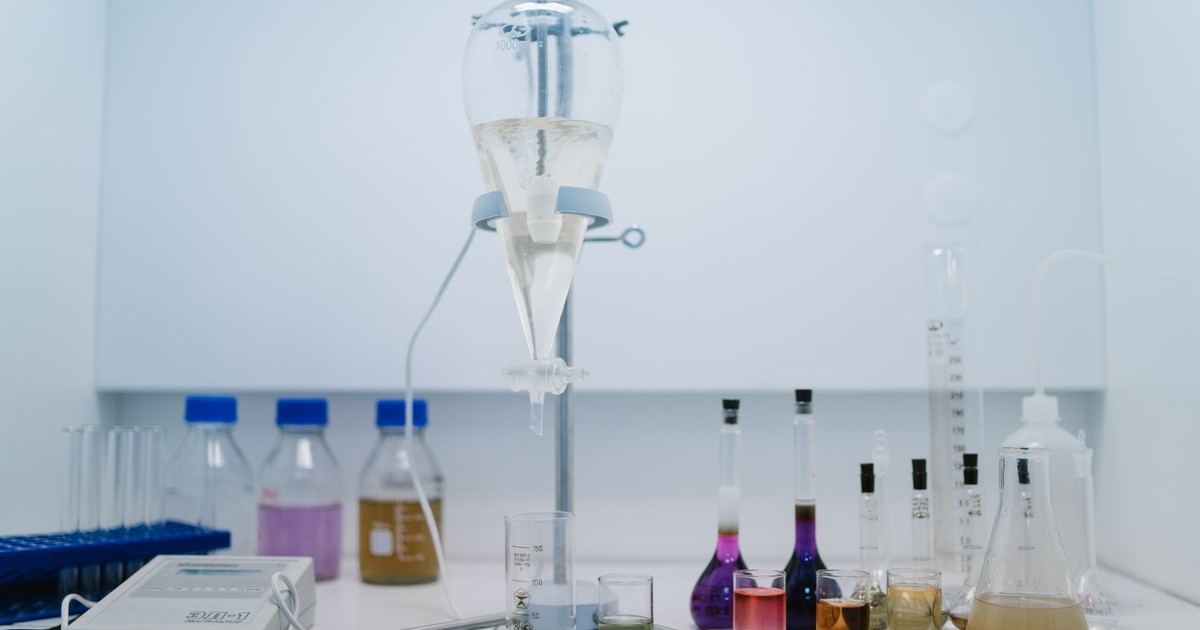
A German nonprofit, Deutsche Umwelthilfe, is taking legal action against Shein after tests it commissioned found hazardous chemicals in 15 of 18 items from the retailer – 7 of which violated EU legal limits – including a women’s boot with a reproductive toxic plasticizer at 179 times the EU’s legal limit and a jacket marketed to teenagers with polyfluorinated compounds at 12,000 times the legal limit.
Nearly 40 percent of the products tested by Deutsche Umwelthilfe breached EU chemicals legislation and “should not have been placed on the market,” according to the organization’s senior textile expert. Among the products tested for PFAS specifically, 75 percent exceeded EU thresholds.
The German testing results were submitted to the European Commission as part of an ongoing investigation into Shein under the Digital Services Act. In one children’s jacket that was tested, the limit for a chemical in the PFAS group was exceeded by more than 1,100 times. In a jacket marketed to teenagers, it was exceeded by more than 12,000 times. The researcher from the Bremen Environmental Institute described the findings as “a colorful cocktail of chemicals, including some that may not necessarily be regulated but can still pose a potential health risk.”
The Texas Lawsuit: What It Alleges and What It Seeks
Texas Attorney General Ken Paxton filed the lawsuit against Shein US Services LLC on February 20, 2026, accusing the fast-fashion retailer of two things simultaneously: selling clothing laced with toxic chemicals, including items for newborns and pregnant women, and quietly routing Americans’ personal data to the Chinese Communist Party.
The lawsuit seeks relief under the Texas Deceptive Trade Practices Act and monetary relief for the state. Civil penalties are capped at $10,000 per violation, with that ceiling rising to $250,000 per violation when the conduct targeted consumers aged 65 or older.
Texas is seeking civil penalties of up to $10,000 per violation, along with temporary and permanent injunctive relief. The state also asks the court to require Shein to make clear and conspicuous disclosures about products that contain harmful levels of toxic substances. In other words, if the court rules in Texas’s favor, Shein would be legally required to warn consumers before purchase.
The data privacy component of the lawsuit runs parallel to the chemical claims. The data-privacy claims focus on Shein’s alleged failure to disclose that consumer data may be accessible to the Chinese government. The complaint points to Chinese national intelligence and cybersecurity laws that can require companies to hand over user data.
What Shein Has Said

In 2025, Shein claimed to have conducted over two million product safety tests in 2024 and introduced what it called a list of manufacturing restricted substances. The Texas lawsuit characterizes those representations as designed to create a false sense of security rather than to reflect genuine compliance. Greenpeace’s independent testing was conducted precisely to assess whether those pledges produced results. The 2025 findings suggest they did not.
Shein’s spokesperson stated that the company is “committed to maintaining high standards of safety and compliance” and that all vendors are required to comply with Shein’s code of conduct, product safety standards, and applicable laws. The company also noted it works with internationally recognized testing agencies. Shein’s case has not been resolved in court, and the allegations have not been proven. The testing results, however, were gathered independently of the lawsuit and have been made public by multiple organizations that have no stake in the litigation’s outcome.
Why the Price Isn’t Actually Low

The specific chemicals named in the lawsuits and testing reports – PFAS, phthalates, lead, formaldehyde, cadmium – are not obscure industrial compounds with effects that only matter at extreme exposure levels. They are chemicals whose health effects at lower levels have been studied extensively, particularly for developing bodies.
Lead exposure, even at low levels, is linked to neurological damage. Formaldehyde is a known skin irritant and, with prolonged exposure, a carcinogen. PFAS have been associated with immune system effects, thyroid problems, and certain cancers. The presence of these chemicals doesn’t mean every Shein garment is contaminated, but the rate of failure – roughly one in three items tested – is high enough to raise real concerns about the company’s quality control.
The manufacturing of synthetic fabrics relies heavily on chemical processing for dyeing, waterproofing, and softening. In major producing regions like China, Bangladesh, and India, these processes involve hazardous chemicals that can remain as residues in the finished garment. Fast fashion’s pricing model compresses every part of the supply chain, including the steps that would otherwise catch or remove those residues before a garment reaches a customer’s doorstep.
Shein generated more than $30 billion in global revenue in 2023. The $8 dress is not an act of generosity toward budget-conscious shoppers. It’s a price point made possible by decisions further up the supply chain – decisions that, according to the labs that tested the products and the regulators now filing suit, have had consequences that consumers were never told about.
Read More: The Best Store-bought Rotisserie Chicken Isn’t Costco’s, New Taste Test Says
Where This Stands Now

The Texas lawsuit is active litigation, not a settled case. No settlement exists yet. No claim form is open. The German nonprofit’s legal action against Shein is separately underway, with results submitted to the European Commission. Greenpeace Germany has called for the EU to implement legislative measures to ensure that Shein and similar platforms cannot bypass EU laws.
The independent testing record – from Greenpeace Germany, the Seoul Metropolitan Government, the Bremen Environmental Institute – exists separately from any legal proceedings and will not change regardless of how the lawsuits resolve. That record shows the same pattern across multiple years and multiple testing organizations: a significant proportion of Shein products, including those made for children and pregnant women, contain chemicals at concentrations that exceed legal limits by margins ranging from dozens of times to thousands of times.
None of this means that everyone who has ever ordered a Shein top is about to get sick. A single exposure to a contaminated garment is not the same as chronic daily contact over months. The health risks associated with chemicals like PFAS and lead accumulate, and they accumulate faster in smaller bodies with developing systems.
Shein’s branding as a fun, affordable, democratizing force in fashion sits next to a factual record that its own internal safety pledges have not resolved. The company has known about chemical contamination findings since at least 2022. It pledged improvement. Independent testing in 2025 found the same chemicals at the same alarming concentrations.
The cheapest clothing in the world isn’t free. The cost just doesn’t appear on the receipt. For anyone dressing a toddler, a newborn, or a pregnant body in clothes from this platform, the testing record is now public, detailed, and documented by organizations with no financial interest in the outcome.
Disclaimer: This information is not intended to be a substitute for professional medical advice, diagnosis, or treatment and is for information only. Always seek the advice of your physician or another qualified health provider with any questions about your medical condition and/or current medication. Do not disregard professional medical advice or delay seeking advice or treatment because of something you have read here.
AI Disclaimer: This article was created with the assistance of AI tools and reviewed by a human editor.