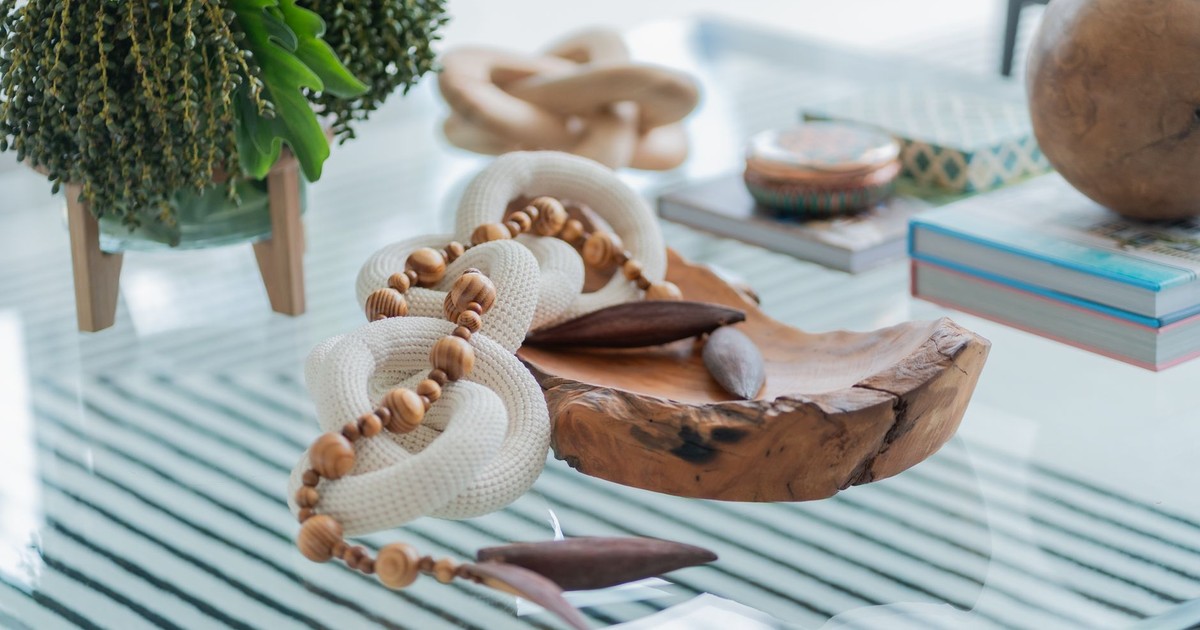

Walk into any home and within about ninety seconds you have already formed an impression. Not of the owner’s budget, not of the square footage, and not even of the furniture brands. Something harder to pin down announces itself first: whether this person has an actual point of view, or whether they assembled a space from the same three furniture catalogue pages everyone else did.
The signs of good taste in a home have very little to do with how much money was spent. A perfectly curated shelf in a studio apartment can radiate more confidence and personality than a McMansion filled with matching sets purchased the same weekend. Good taste communicates that someone made choices, edited ruthlessly, and kept only the things that meant something – whether beautiful, useful, or strange enough to be worth explaining to guests.
None of these nine things require a designer on retainer or a recent lottery win. They require something harder to fake: genuine attention to how a space makes people feel.
1. At Least One Piece That Cannot Be Bought New

The easiest way to spot a home with real character is to look for something that clearly has a history. A worn leather armchair from an estate sale. A painting acquired from an artist nobody has heard of yet. A side table that arrived from a different decade or a different continent. These pieces do something that new furniture simply cannot: they resist being pinned to a specific moment in time.
Designer Kelly Wearstler notes that “having everything that is new actually is the quickest way to date a home — incorporating older things with the contemporary [pieces] is best.” Incorporating older pieces helps diversify the design, making it harder to visually tie a space to any particular year. A home full of furniture purchased from the same contemporary retailer during the same calendar year looks like a stage set. A home with a few pieces that arrived from different decades, different continents, or different lives looks like someone actually lives there.
Vintage finds and antique items remain firmly in play for 2026, not because they are trendy but because they were never really a trend. They are the oldest design principle there is: a beautiful thing is a beautiful thing regardless of when it was made. The collector’s instinct – picking up something because it spoke to you, not because a stylist told you to – is one of the clearest signals of a person with genuine visual intelligence.
Vintage and antique items, and the practice of mixing old and new, are among the decor approaches most likely to keep a home from feeling dated. For anyone building a collection of pieces that hold their value aesthetically and financially, antiques that grow in value tend to follow consistent patterns worth understanding before you start buying.
2. Lighting That Does More Than Illuminate
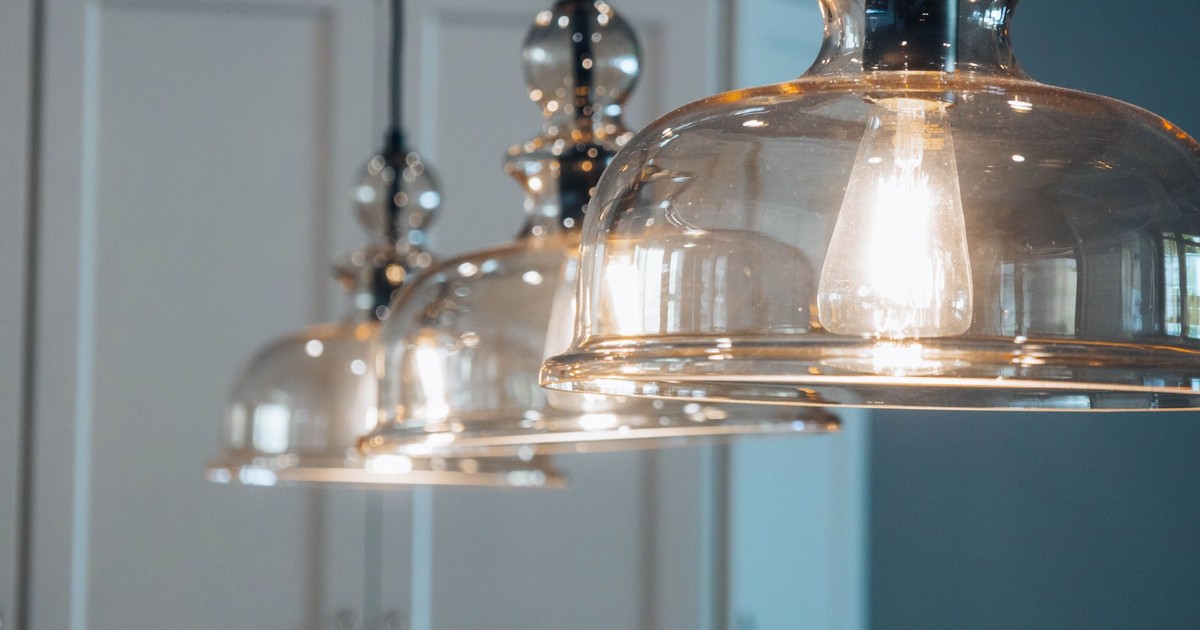
Bad lighting is one of the most reliable signs of a home that stopped at “functional.” A single overhead fixture in the middle of the ceiling, casting flat, even light across the entire room, belongs in a dental office. In a home, it tells you that the person living there has not yet thought about what light actually does to a space.
According to Homes & Gardens (June 2026), the line between lighting and art continues to blur in 2026, with designers gravitating toward tactile materials and sculptural forms. High-quality materials such as aged brass, bronze, and glass remain staples, while lighting made from natural stone, alabaster, and travertine is becoming increasingly prevalent. None of this requires a renovation budget. A single good floor lamp with a warm-toned bulb, positioned in the corner of a living room, will do more for the atmosphere of that room than almost any piece of furniture you could add.
The people with real taste in a home almost always have at least three light sources operating at different heights in any given room: something overhead (but considered, not just a builder-grade fixture), something at eye level, and something lower that creates pools of warmth rather than a flood of brightness. The effect is a room that looks lived in and intentional at the same time.
3. A Real Plant That Is Actually Alive

This one is not about horticulture. It is about what the presence of a living thing communicates. A real plant – even an imperfect one with a leaf or two that didn’t make it – tells you that someone takes modest responsibility for something other than their own convenience. It is a small, recurring commitment to the space.
Ask any designer what decor detail they’re tired of seeing in interiors, and chances are they’ll mention faux plants. Although faux plants are more convenient and last longer, they are not an equal replacement. Experienced designers consistently point out that faux plants read as static in spaces that are otherwise thoughtfully designed. A real plant responds to its environment in ways a plastic one never will: it changes with the light, produces new growth, and sometimes dies dramatically if ignored for too long. All of that is actually interesting. A plastic ficus in the corner is not.
The species doesn’t matter as much as people think. A confident person with good taste in a home might have an enormous fiddle-leaf fig, or a modest pot of rosemary on the kitchen windowsill, or a single trailing pothos. What matters is that something in the space is alive.
4. Books That Were Actually Read

A shelf of books that someone assembled for the aesthetic – all spines turned backward, color-coordinated, with no apparent subject matter – is one of the most reliably hollow signals in home decor. It tells you that the person wanted the look of books without the content of books. Homes with actual taste tend to have books that are slightly messy, occasionally doubled up, and clearly organized (or disorganized) according to the logic of how someone actually reads and thinks.
Books that combine strong visuals with narrative depth make the best coffee table companions, with editions that offer both aesthetic appeal and engaging content serving as conversation pieces. But the coffee table is only one corner of a larger story. The most interesting homes have books throughout: stacked next to a bed, lined up unevenly in a hallway, wedged alongside objects on a shelf because that is where they ended up after being read and set down. They are evidence of a life being lived intellectually, not a prop.
Cookbooks in the kitchen that are stained and annotated. A novel on the bathroom ledge. A collection of art monographs in the living room with Post-it notes sticking out from pages. These are all signs of good taste in a home because they are signs of genuine curiosity, which is where good taste comes from in the first place.
5. Art That Required a Decision

Gallery-wall kits and matching print sets from mass-market retailers remove the decision entirely. Someone else chose the palette, chose the subjects, chose the frame width, and arranged it all into a formula. The buyer just hung the formula. This is not necessarily a moral failing – it is fast and reasonably cheap – but it does not communicate taste.
Designer Jeannine Petteruti, who works with vintage textiles and re-purposed linens, points toward pieces with visual weight and a traceable history as the alternative to generic retail prints. A small watercolor from a local artist’s studio. A framed page from a 1940s illustrated magazine. A child’s drawing from the refrigerator, properly framed and hung at eye level like the art it actually is. These all have visual weight. A motivational quote in a rustic frame does not.
The size of the art matters too, and most people default too small. A single large piece – properly scaled to the wall – does far more than a cluster of small frames that individually say nothing. People with a trained eye in a room tend to notice this first.
6. One Unusually Specific Collection
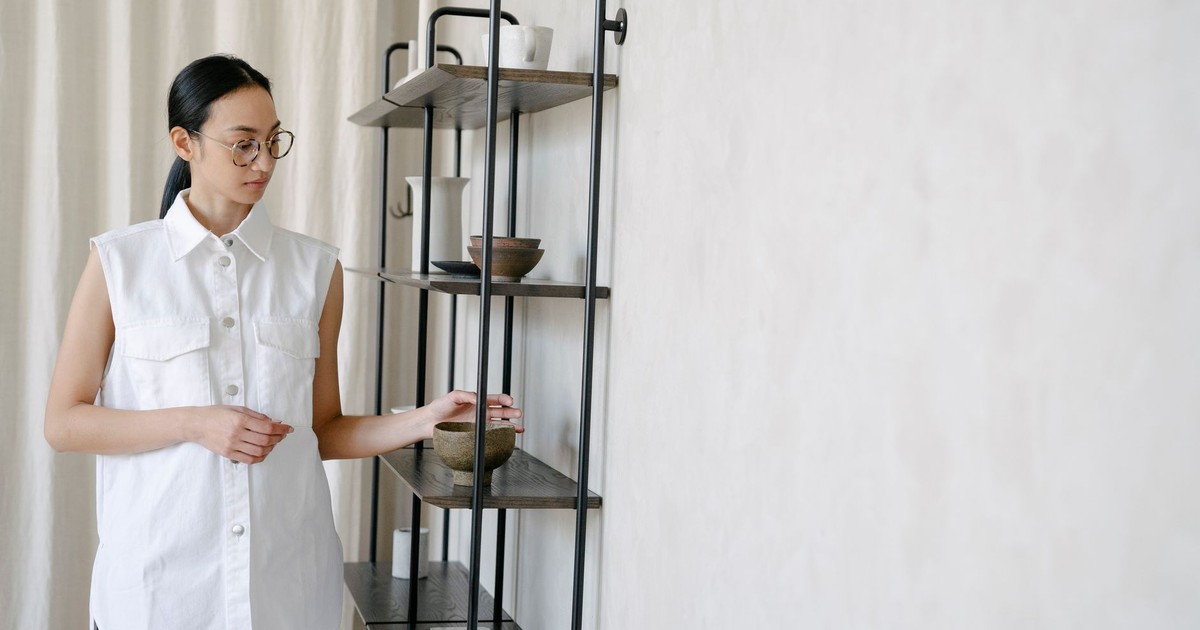
Good taste does not require minimalism. It requires intention. A person who collects ceramic fish, or pressed glass candlestick holders, or vintage travel postcards framed and hung in a single dedicated corner is doing something specific: they are editing the world down to what they actually find beautiful and giving it a place. That act of curation is one of the most reliable signs of good taste in a home.
According to Homes & Gardens (Jan 2026), good taste starts with knowing yourself, not copying what you see in other people’s homes. A collection of anything genuinely built up because a person kept finding examples of a thing they loved broadcasts that message immediately. The objects don’t need to be valuable or rare. They need to be specific. Thirty years of purchasing one blue-and-white Portuguese tile from every trip abroad. A shelf of wooden decoys inherited and then added to. A row of vintage glass inkwells with no practical purpose whatsoever. Home decor gets away with a lot when the intention behind it is legible.
7. Texture You Can See From Across the Room

Flat surfaces – smooth walls, glass-topped tables, uniform flooring – are easy and inexpensive. They are also visually boring at scale. A room with good taste almost always has something in it that creates texture visible even before you cross the threshold: a linen sofa that absorbs light instead of reflecting it, a jute rug with a depth that changes depending on where you stand, a woven basket used as a side table, a ceramic lamp base with a surface you want to touch.
In 2025 and into 2026, texture moved to the foreground of interior design, with wallpapered ceilings, wood paneling, and decorative plaster finishes bringing depth and character to rooms that would otherwise read as flat. This is not a trend that requires ripping out walls. It is a sensibility that applies at every scale, from the choice of a throw blanket to the selection of window covering fabric. People who understand texture understand that a room should engage multiple senses, not just present a clean surface for photography.
The most underused texture in an average home is probably the ceiling. Painting it a different color, adding a plaster finish, or even just introducing a wallpaper with depth overhead transforms a room’s perceived volume without moving a single piece of furniture.
8. A Clear Point of View in at Least One Room
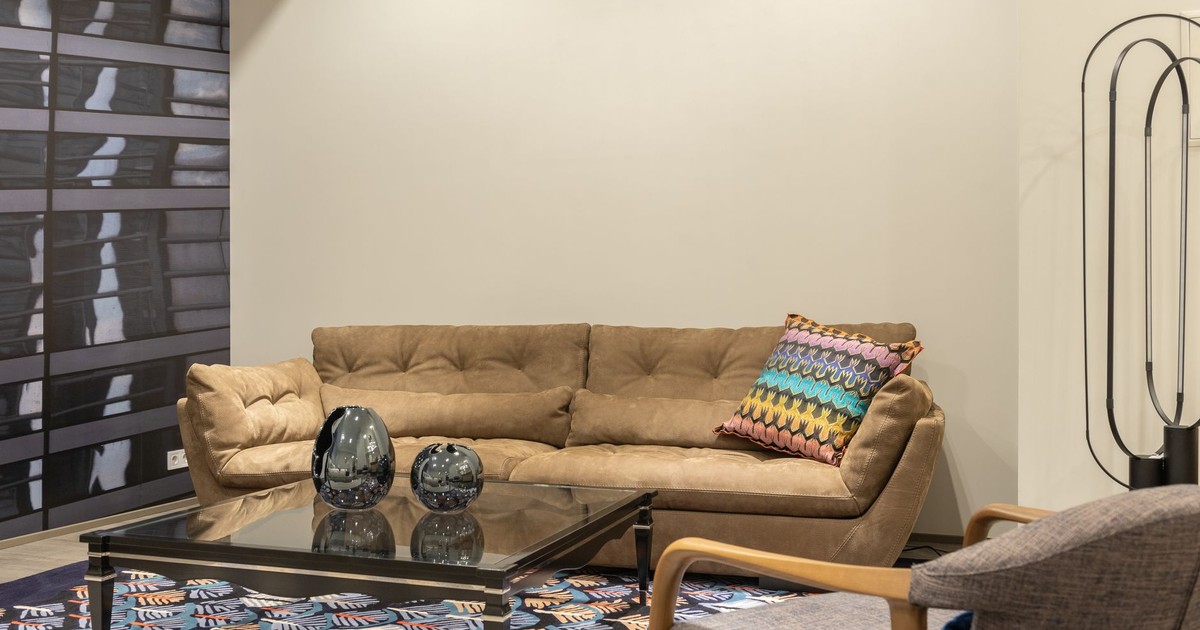
Most homes are compromises: a sofa someone loved, a dining table someone tolerated, a bedroom that ended up beige because no one could agree on anything else. There is nothing wrong with this, and it describes roughly every shared living space ever occupied. But a home with genuine taste almost always has at least one room – or one corner of a room – where someone stopped compromising and simply decided.
The quiet luxury trend dominated 2024 and 2025, but designers in 2026 are moving toward what they’re calling “found” luxury: a more curated, intentional version of maximalism with a mix of colors and textures that feel personal rather than chaotic. A room can be dark and moody, or light and spare, or layered and eccentric – any of those are defensible positions. What does not read as tasteful is a room with no position at all: a neutral sofa, a neutral rug, neutral curtains, one mass-market canvas above the fireplace, nothing that suggests anyone chose anything over anything else.
Even a corner. A reading chair with its own lamp and a side table stacked with actual books and a candle that gets used. A desk with a serious chair and a single good object on it. One corner of genuine intention is enough to change the feel of an entire room.
9. Evidence That Something Was Edited Out
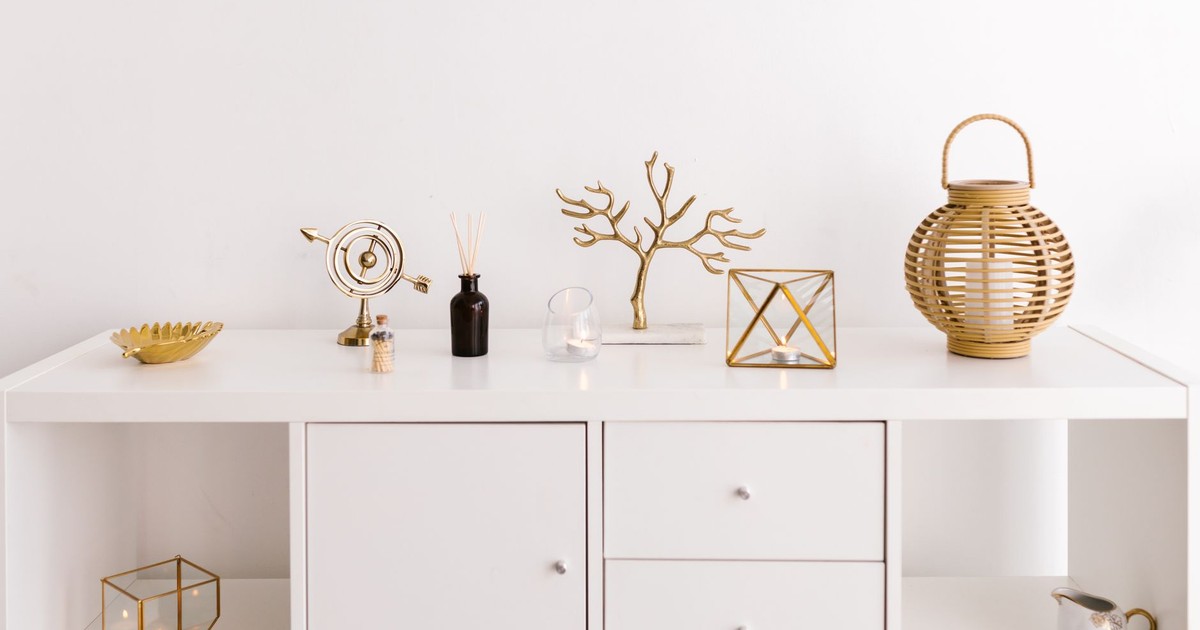
The final sign of good taste in a home is one of the most counterintuitive: the feeling that there used to be more here, and someone removed it. Restraint, in decor as in prose, is always earned. The space between objects is what allows each one to be seen. A shelf where every object has room to breathe is almost always the result of someone removing three things that used to sit alongside the things that remain.
This is why the homes of people with real design instincts rarely feel crammed, even when they are full. Every piece they kept survived a decision. The ceramic bowl on the kitchen counter, the single framed photograph in the bedroom, the one throw pillow on the sofa – these are all things that made the cut. The things that did not make the cut are in a bag headed to a charity shop, which is exactly where they belong.
The discipline required to look at something you like and set it aside because the room already has what it needs is harder than buying something new. It requires you to know what you already have, to trust the space, and to resist acquisition for its own sake. That discipline, more than any specific object or style, is what good taste actually looks like in practice.
Read More: Declutter Your Space: 26 Items to Toss from Your Bedroom and Bathroom
What the Room Is Really Saying
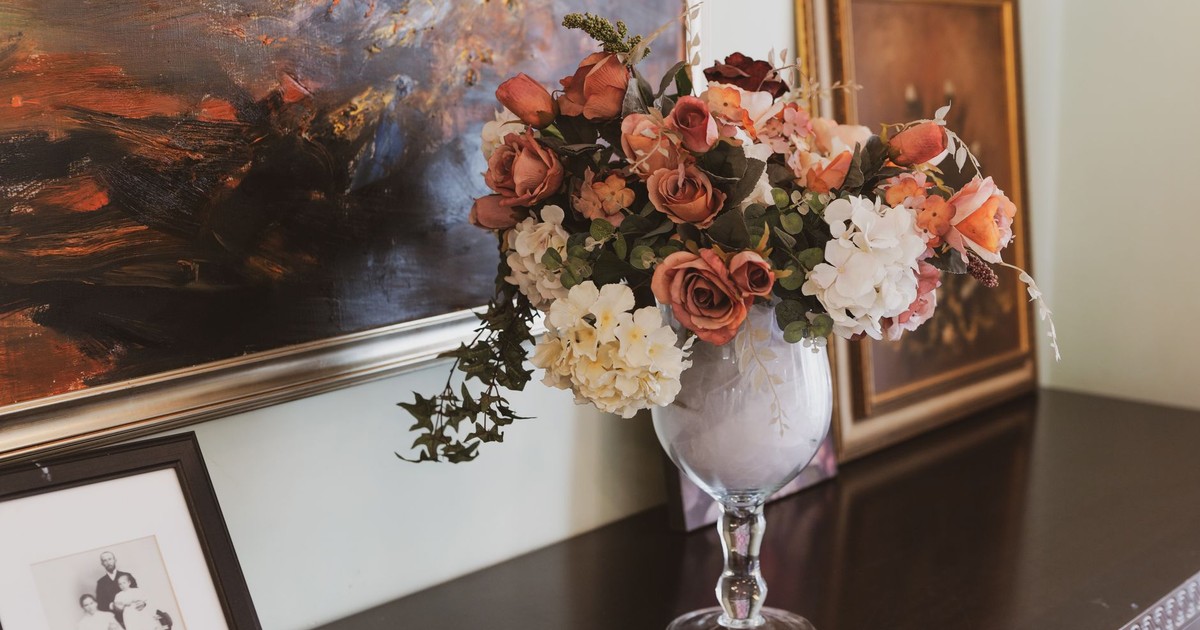
None of these nine things are about having expensive things. They are about having considered things. A home that reflects genuine taste is not a showroom – it is a record of decisions, accumulated slowly, revised as the person who lives there changes and grows. The vintage chair that arrived before the baby and got reupholstered after. The art that moved from room to room until it finally found the wall that was right for it. The plant that died and was replaced by a better one.
One thing experienced designers agree on is that the fastest way to make a home look dated is to fill it with the latest trends. A room decorated with the color of the year might feel exciting at first but can feel tired and out of step within a season or two. The homes that age best are those that grew naturally, each piece chosen for what it brought to the space rather than what it referenced in a magazine that year.
When you walk in and feel that – when the room could not have been assembled by anyone else – you are looking at taste. Everything else is just shopping.
Disclaimer: This information is not intended to be a substitute for professional medical advice, diagnosis, or treatment and is for information only. Always seek the advice of your physician or another qualified health provider with any questions about your medical condition and/or current medication. Do not disregard professional medical advice or delay seeking advice or treatment because of something you have read here.
AI Disclaimer: This article was created with the assistance of AI tools and reviewed by a human editor.