
Most nights, you’re not pulling all-nighters. You get to bed at a reasonable hour, more or less. What you are doing is shaving an hour or so off the recommended amount: staying up a little later to finish something, lying awake a little longer with a head full of tomorrow, waking earlier than you’d like because that’s just how it goes. One hour here, forty-five minutes there. Your body registers this very differently than you do.
Research on mild, consistent sleep restriction has grown sharply in the past two years. Sleep isn’t passive biological standby mode. The body runs its most important maintenance during sleep: consolidating memory, clearing metabolic waste from the brain, regulating hormones, repairing tissue, and calibrating the immune system for the day ahead. When you cut it short, all of those processes get cut short too.
It takes very little deprivation to set the dominoes moving.
Your Brain Takes the First Hit

The cognitive effects of sleep deprivation kick in faster than almost anything else the body experiences. Memory consolidation happens primarily during sleep. Miss an hour and the conversion is less complete. Miss several nights in a row and the deficit compounds in ways that don’t feel like forgetting; they feel like fog, like things taking longer, like you’re reading the same paragraph three times.
If you’ve ever wondered whether parents really do lose more sleep than their child-free peers, the research is fairly unambiguous about it.
Sleep loss affects attention, working memory, amygdala reactivity, perception of emotions, decision-making, and learning ability. The amygdala processes emotional responses, specifically threat responses. When you’re underslept, it becomes more reactive. Smaller things register as bigger threats. The person who snapped at someone over something minor at 3 p.m. on Thursday after three short nights wasn’t overreacting in a character sense. Their brain was chemically primed to do exactly that.
Recovery takes longer than most people assume. It can take four days to recover from just one hour of missed sleep. That’s not a typo. One hour short, four days to recover. The idea that you’ll catch up on the weekend is less a plan than an optimistic hope.
The Hormone Cascade Nobody Warned You About

When you sleep less than your body needs, a cascade of hormonal disruptions follows, and most of them work against you in ways you’d never connect back to bedtime.
Sleep deprivation disrupts the hormonal systems that regulate hunger, stress, and metabolism. Research links short sleep to activation of the hypothalamic-pituitary-adrenal (HPA) axis, resulting in elevated cortisol secretion, which in turn impairs glucose metabolism, reduces insulin sensitivity, and compromises endothelial function. The relationship between sleep loss and appetite hormones remains an active area of research, with findings varying across study designs and populations.
Stanford Lifestyle Medicine explains that delaying your bedtime can lead to elevated cortisol levels in the middle of the day rather than just in the morning, and that sustained high levels of cortisol promote the accumulation of belly fat while increasing the potential for prediabetes, type 2 diabetes, and other metabolic disorders. Cortisol is your stress hormone. It’s supposed to peak in the morning to help you wake up and taper off by evening. When sleep is disrupted, that rhythm breaks. You end up with cortisol spiking at the wrong times, which tells your body it’s under threat, which triggers fat storage, which elevates blood sugar. It’s a feedback loop that a lot of women are inside of without knowing it.
Your Heart Doesn’t Get a Night Off Either
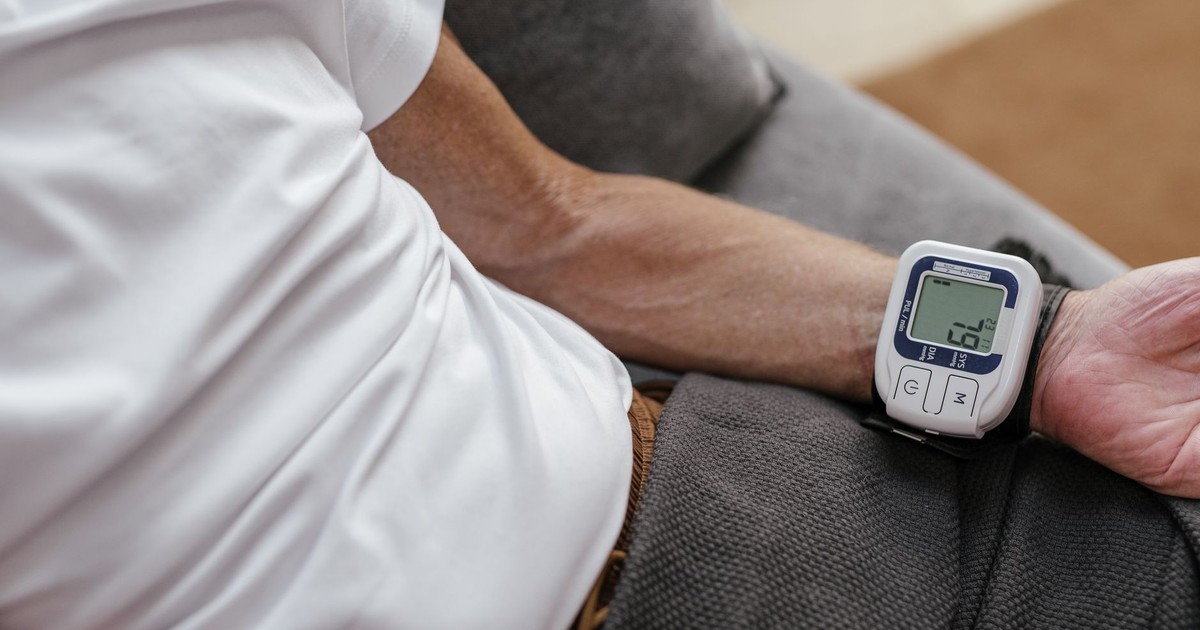
The cardiovascular system, like the brain, does not have a grace period for sleep debt. A 2025 umbrella review published in PMC found a relationship between sleep duration and all-cause mortality that follows a U-shaped curve, with both short and long sleep durations associated with increased risk. Sleep deprivation is a significant risk factor for cardiovascular diseases such as hypertension, stroke, and coronary heart disease.
The heart attack data around daylight saving time has been widely cited in sleep medicine, but the picture is more complicated than early studies suggested. A large-scale analysis of nearly 170,000 patients across more than a decade found no significant increase in heart attacks during the weeks surrounding either the spring or fall time change. The research is consistent, however, on a broader point: chronic insufficient sleep — the kind accumulated over weeks and months of short nights — meaningfully raises cardiovascular risk. The heart doesn’t recover from that accumulation after a single good night.
Shorter sleep durations of fewer than seven hours are associated with higher mortality rates, with a 6 to 15 percent increased risk of death from any cause among individuals with insufficient sleep compared to those with adequate rest. Those numbers hold up across multiple meta-analyses and cover populations across different age groups, health conditions, and geographies.
The Immune System, Running on Reserves
The body produces certain infection-fighting proteins, including cytokines and T-cells, primarily during sleep. Cut sleep short and you get a reduced output of those proteins, which means you’re going into your day with a partially assembled immune response.
The Cleveland Clinic reports that sleep deprivation weakens the immune system, making the body more susceptible to illnesses and increasing the risk of chronic conditions. This is why you always seem to come down with something at the end of a particularly brutal stretch of overcommitment. It’s not that you got unlucky. Your immune system had been operating below capacity for days, possibly weeks, and something eventually got through.
The inflammatory proteins interleukin-6 and C-reactive protein, both markers of systemic inflammation associated with heart disease and other chronic conditions, show measurable increases only after persistent nights of short sleep, not after a single bad one. Your body has some short-term tolerance. But it’s a finite amount, and most people have already spent it.
The Mood Connection Is Not All in Your Head
The relationship between sleep and mental health is bidirectional in a way that’s almost unfairly circular. Poor sleep destabilizes mood. Destabilized mood makes it harder to sleep. And the longer that cycle runs, the harder it becomes to know which came first.
According to the Cleveland Clinic, mood disorders like depression and anxiety are connected with chronic insomnia and sleep deprivation. People with insomnia are twice as likely to experience depression, and about 80 percent of people with depression experience insomnia. Sleeplessness can be both a symptom of mental health issues and a contributor to them.
The irritability and emotional reactivity that come with short sleep aren’t personality flaws. They’re neurological events. The prefrontal cortex, the part of the brain responsible for regulating emotional responses, calm decision-making, and contextualizing experience, requires adequate sleep to function properly. When it doesn’t get it, the amygdala runs less supervised. The result is a version of yourself that you recognize as not quite right, someone more likely to take things personally, less able to let things go, more easily overwhelmed by things that wouldn’t usually register.
When Your Body Literally Can’t Move Right

Sleep deprivation affects physical coordination, balance, and gait in ways that create genuine accident risk. Sleep deprivation had a significant negative effect on gait, the way a person walks, while a lack of sleep can affect sense of balance, both of which put people at risk for accidents, falls, and injuries.
For most adults, this registers as that vague clumsiness on a tired morning: bumping into things, misjudging distances, moving through a room slightly less accurately than usual. For older adults, or for people doing anything that requires physical precision, including driving, operating equipment, or carrying a toddler down stairs, the stakes are considerably higher. Drowsy driving is one of the most under-reported causes of motor vehicle accidents, and fatigue-impaired reaction time is functionally comparable to alcohol impairment. Nobody would describe themselves as impaired after one short night. But the research consistently disagrees with that self-assessment.
The Weight Gain You Didn’t See Coming

The connection between sleep and weight is often explained in terms of willpower, as though people who are tired just make worse food choices because they lack discipline. The actual physiology is more specific. The hormonal disruptions described earlier, combined with altered brain reward signaling, produce a predictable outcome.
Sleep deprivation impairs glucose metabolism and raises cortisol, increasing fat storage and metabolic risk. Sleep loss also redirects brain reward circuitry toward high-calorie foods, intensifying cravings for them. The brain, running low on energy from inadequate rest, pushes toward calorie-dense options as a compensation strategy. This is not a preference or a personality trait. It is a metabolic response. The person who finds themselves eating a third of the pantry at 11 p.m. after a terrible week is not especially weak-willed. They are running a physiologically predictable program.
A study published in the Annals of Internal Medicine tracked 95 adults who normally slept seven to eight hours a night. During the phase where participants delayed their bedtime by 90 minutes, losing an average of just over an hour of sleep, they gained an average of one pound over a six-week period and became measurably less physically active, with some groups adding nearly 30 extra minutes of sedentary time per day.
What to Watch For
The body adjusts to a new normal in a way that masks how compromised it actually is. People who have been sleeping six hours a night for several months often report feeling fine. But cognitive testing and physiological markers tell a different story. The feeling of adaptation is partly real and partly a trick the brain plays on itself, in the same way that the mildly chronically dehydrated person doesn’t feel as thirsty as they should.
Even missing as little as 1.5 hours can have an impact on how you feel, causing short-term problems including lack of alertness, memory problems, and moodiness. That’s 1.5 hours, not a full night’s lost sleep. Just the distance between going to bed at 11 and going to bed at 12:30.
The signs that your sleep debt has compounded are not always dramatic. They look like needing more coffee to feel human, taking longer to solve problems you used to find straightforward, feeling less resilient after ordinary stressors, getting sick more often than you used to, gaining weight you can’t fully explain. None of those things feel like a sleep problem. They feel like being a busy adult in a full life.
The Bottom Line on Sleep Deprivation Effects

The body’s metabolism recalibrates, mood regulation erodes, immune capacity drains. None of it resets after one good night any more than one good meal reverses months of poor nutrition. Consistent, adequate sleep consistently produces better outcomes across every system described here.
The body is not punishing anyone for their choices. It is simply doing exactly what it was designed to do, and running low on what it needs to do it well. Most sleep deprivation effects are not the result of dramatic failure. They accumulate from the unremarkable Tuesday nights, the 11:30 p.m. decisions, the mornings where the alarm wins by an hour.
Disclaimer: This information is not intended to be a substitute for professional medical advice, diagnosis, or treatment and is for information only. Always seek the advice of your physician or another qualified health provider with any questions about your medical condition and/or current medication. Do not disregard professional medical advice or delay seeking advice or treatment because of something you have read here.
AI Disclaimer: This article was created with the assistance of AI tools and reviewed by a human editor.