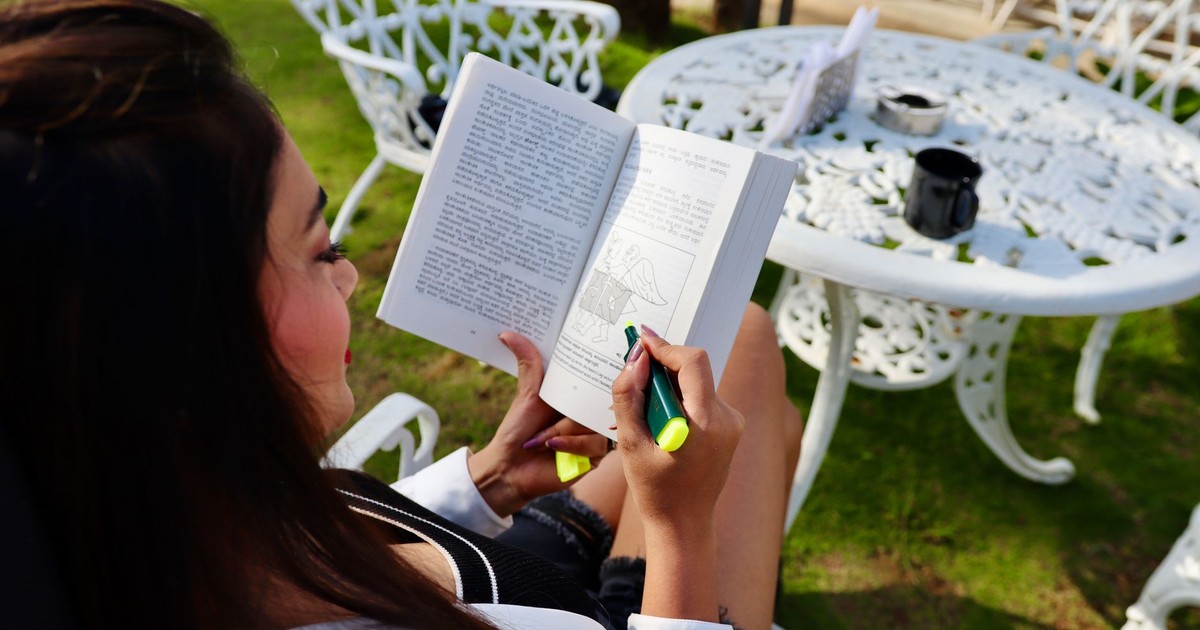

A small patio can make you either creative or frustrated, sometimes within the same afternoon. You look at the concrete slab out back – or the apartment balcony, or the narrow side yard strip that technically counts as “outdoor space” – and wonder what it could become. That gulf between what it is and what it could be is almost entirely a design problem, not a square-footage problem. The most beautiful small patios are not beautiful because someone spent a fortune. They are beautiful because someone made deliberate, specific choices about what goes in and what stays out.
The difference between a patio that feels like a waiting room and one that feels like a room you actually want to sit in comes down to a handful of principles: vertical thinking, intentional layering, a focal point that earns its keep, and furniture that does more than one job. None of that requires a large footprint. In fact, constraints have a way of producing better design. When you cannot fit six chairs and a table and a firepit and a pergola, you stop trying to fit all of them, and the space gets a fighting chance.
What follows is a thorough list of 30 small patio ideas drawn from current design trends and practical outdoor know-how. Some of them cost almost nothing. Some require a weekend of effort. All of them are worth considering before you resign yourself to another summer of ignoring that slab.
1. Anchor the Space with a Bistro Set
A two-person bistro table and two chairs might be the single most efficient piece of furniture you can put on a small patio. The scale is honest about the space it occupies, the silhouette reads as intentional rather than improvised, and there is something charming about a setup that says “two people, coffee, morning light” without any further explanation required. Round bistro tables in particular do well in tight spaces because they eliminate the problem of sharp corners eating into the walking path.
Choose metal or powder-coated steel for durability, and look for a table height that lets you comfortably pull a chair in from either side. A small patio furnished with a single well-chosen bistro set will almost always look better than the same space stuffed with a four-person dining set that technically fits but leaves no room to breathe.
2. Go Vertical with a Garden Wall
Vertical gardens and trellises with climbing plants maximize greenery without consuming floor space. Wall-mounted planters or narrow shelving can organize pots while enhancing the visual height of the patio. That upward pull is one of the most effective optical tricks available on a small patio – the eye follows the greenery up, and the space feels taller and more lush than the floor plan would suggest.
You do not need an elaborate living wall system to make this work. A simple cedar trellis mounted to a fence, planted with a fast-climbing clematis or a jasmine vine, costs very little and pays back continuously through the growing season. For patios with no soil access at all, hanging pocket systems are among the most flexible vertical garden options, with fabric or felt pocket panels working well in covered patios or semi-shaded areas.
3. Choose Foldable or Stackable Furniture
Furniture you can move, fold, or stack gives you options. You can set the table for four when you need it, and push everything to the edges when you want an open floor. A patio that can adapt to different uses throughout the week is more valuable than one that looks great for company but is uncomfortable for Tuesday morning coffee alone.
Stackable resin chairs are the workhorses of this category – they age well, they clean easily, and four of them stack into a corner when you want the space back. Fold-flat side tables in powder-coated metal are another smart investment. Look for designs with a small footprint when open and near zero footprint when closed.
4. Lay an Outdoor Rug to Define the Zone
An outdoor rug does something a bare concrete slab cannot: it tells the space where it begins and ends. That defined border is what separates a collection of furniture from an actual room. Materials like polypropylene rugs and quick-dry foam cushions are designed to withstand moisture and sun exposure.
Size matters more than most people realize. A rug that is too small leaves chair legs half on and half off, which looks worse than no rug at all. The standard advice is to choose a rug large enough that the front legs of all the seating rest on it at once. For a small patio, that usually means going one size larger than your instinct suggests. Light-colored pavers, white gravel, and neutral outdoor rugs can visually expand the space. A pale, low-pattern rug makes a small floor plan read as larger than it is.
5. Install String Lights for Evening Atmosphere

String lights draw the eye upward, create a ceiling of sorts for a space that otherwise has no ceiling, and extend the usable hours of the patio from a few hours on summer evenings to nearly year-round in milder climates. According to Martha Stewart Living’s design experts, they can be strung in multiple configurations regardless of the space.
Drape them from pergola beams, stretch them between two fence posts with simple screw-in hooks, or run them along the roofline of the house. The warmest-looking option is the classic Edison-style bulb in the 2700K color temperature range. Solar-powered versions have improved dramatically and are now reliable enough for most residential applications – the panel charges all day and the lights come on automatically at dusk, which means you will actually use them rather than remembering to plug something in.
6. Add a Compact Fire Pit or Tabletop Fireplace
A fire pit does not have to be a permanent stone structure. Compact, portable fire pits and tabletop ethanol fireplaces have made the experience of gathering around a flame accessible for even the smallest patio. String lights stretched across a space combined with a fire pit anchoring the seating area create a warm, inviting center that naturally draws everyone in.
For very tight spaces, a tabletop bioethanol burner placed in the center of a bistro table creates the same gathering pull as a full fire pit at a fraction of the footprint. For slightly larger patios, a small round steel fire bowl – one in the 24-to-30-inch range – fits comfortably in a seating arrangement without dominating the layout. Keep a clear three-foot radius of non-combustible surface around any open flame, even on a small patio.
7. Use Large-Format Pavers to Make the Space Read Bigger
Fewer, larger tiles mean fewer grout lines, and fewer grout lines mean the eye reads the floor as one continuous plane rather than a grid of small pieces. That unbroken visual field makes the surface feel larger.
Large-format concrete or porcelain pavers in a light neutral tone – think warm white, pale gray, or sandstone – work particularly well. Lay them in a running bond or stacked pattern rather than a diagonal, which can feel busy in a small space. If you are replacing an existing concrete slab, this is one of the highest-return investments you can make in a small patio before adding any furniture or planting at all.
8. Build a Slim Pergola for Structure and Shade
According to Decorilla’s 2026 patio trends report, pergolas have evolved from simply a shade structure to a focal point of a patio, integrating function and style. For a small patio, the key is proportion: a pergola that is too heavy will shrink the space visually, while a slim, open-beam structure adds architectural character without creating the sense of an enclosed box. Powder-coated aluminum pergolas are popular for this reason – the profiles are thinner than wood, the finish holds up to weather without painting, and they can be ordered in custom sizes to fit exactly what you have.
A retractable canopy system threaded through a pergola frame gives you shade when you want it and open sky when you don’t – a useful feature on a patio where the goal is to be out there on more days, not fewer.
9. Plant a Container Garden
Container gardening is the most flexible approach to a planted patio because nothing is permanent. You move pots, swap plants seasonally, and adjust the arrangement whenever the mood strikes.
For a small patio, the most visually effective approach is to go big with a few containers rather than small with many. Three large pots – one tall, one medium, one low and wide – create more visual presence than ten small ones scattered around the perimeter. Fill them with a mix of thriller, filler, and spiller plants: something tall and architectural in the center, something mounding and full around it, and something trailing over the edge. A single pot planted this way in the right corner replaces an entire planting bed’s worth of visual presence.
10. Mount Outdoor Sconces to the Wall
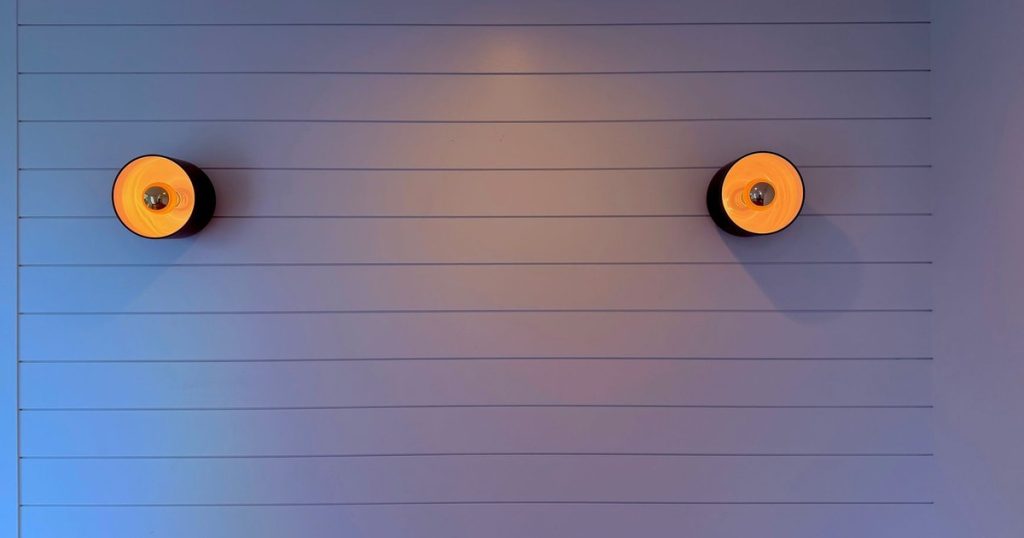
Hardwired or plug-in outdoor wall sconces solve a specific problem on small patios: they provide light without occupying any floor or table space. The wall is a resource that small patios consistently under-use. A pair of sconces flanking a door, or a single sconce mounted above a bench, gives the space a finished quality that string lights alone cannot achieve.
Layered lighting – one source overhead, one at mid-level, one close to the ground – is the difference between a patio that looks like a set and one that feels like somewhere you actually want to stay. Sconces fill the mid-level slot.
11. Choose Bold Color on One Wall or Fence
Deep, saturated tones like oxblood-painted alcoves or deep olive plaster are appearing in modern patios. Designers are moving beyond beige entirely toward clay, sage, and layered pigment blocks that read like cut earth. On a small patio, painting one wall or fence panel in a strong, deliberate color is one of the highest-impact changes you can make for the lowest cost.
The key is restraint: one wall, not all four. A single deep-toned accent wall behind the main seating area creates depth and visual interest while keeping the other surfaces neutral so the space does not feel enclosed. Exterior-grade chalk paint or limewash finish in a saturated earthy tone holds up well on masonry and wood fencing, and either can be refreshed in an afternoon if you change your mind the following spring.
12. Incorporate a Built-In Bench
A built-in bench along one edge of the patio eliminates the space eaten by the backs of chairs and gives you seating that reads as part of the architecture rather than furniture that is merely present. A simple L-shaped bench built from pressure-treated lumber and topped with weatherproof cushions can seat four to six people and uses no more floor area than a single row of chairs.
According to Homedit’s 2026 outdoor furniture guide, built-in benches with storage help maintain a clean aesthetic while improving functionality. A built-in bench with a hinged lid and a weatherproof storage cavity below is a particular win on a small patio where there is nowhere else to keep cushions, outdoor games, or garden tools between uses. The bench stays out all year; the cushions come in when the weather turns.
13. Use Mirrors to Expand the Visual Field
An outdoor-rated mirror mounted on a fence or exterior wall creates the same effect it creates indoors – the reflected space makes the enclosure seem wider and deeper than it actually is. The trick works best when the mirror reflects something worth reflecting: a planted border, the pergola structure, or the garden beyond.
Choose mirrors with a frame in powder-coated metal, weather-treated hardwood, or bamboo. Standard glass mirrors are not ideal for full outdoor exposure because the backing can delaminate in wet climates through repeated seasonal moisture cycles. Purpose-made outdoor mirrors with sealed backings are widely available and hold up considerably better through multiple seasons.
14. Add a Small Water Feature
Running water does something for a patio that no other element replicates: it gives the space a sound. That ambient noise softens the edges of urban and suburban environments, masks traffic and neighbor sounds, and creates a sensory fullness that makes a small patio feel more like a destination and less like a transitional space between the house and the yard.
A self-contained tabletop fountain or a small wall-mounted water feature requires no plumbing – just a pump, a reservoir, and a power source. A plug-in pump fed from an outdoor outlet or a solar-powered unit keeps the circuit simple. The scale does not need to be dramatic; even a modest cascade over stacked slate into a small basin creates enough sound to shift the atmosphere of a tight outdoor space.
15. Plant Ornamental Grasses for Privacy and Movement
Ornamental grasses earn their place on a small patio in a way that most plants do not. They grow tall and full without needing the ground space of a shrub, they move in the wind and add life to a static space, and they provide a soft privacy screen when placed in large pots along the patio perimeter. Karl Foerster feather reed grass, for example, grows to five or six feet in a single season, stands upright through the winter, and asks very little in return.
A row of three matching tall planters filled with the same grass along the most exposed edge of the patio creates the sense of a hedge with a fraction of the maintenance. The uniformity of matching pots matters: three identical containers look composed, while three different pots in three different sizes look like an afterthought.
16. Try a Monochromatic Color Palette
Clean lines, oversized slabs, and a deliberately restricted color palette create a gallery-calm backdrop that lets outdoor furniture and plant silhouettes define the space. A monochromatic patio – where the flooring, furniture, and planters all live within the same tonal family – feels larger and more considered than a space where every surface competes for attention.
This does not mean all-white or all-gray in a way that reads as clinical. A warm terracotta palette that runs from the pavers through the pot glazes to the cushion fabric, with variation in shade and texture at each level, is monochromatic in principle and rich in practice. The rule is simply that no single element should be a dramatic departure from the overall tone.
17. Hang Curtains for Privacy and Softness
Outdoor curtains threaded onto a tension rod or curtain wire mounted between two pergola posts or fence rails give a small patio something it rarely has: the option to close itself off from the outside world. They provide shade, privacy, and a visual softness that hard outdoor materials almost never deliver on their own.
Look for curtains in UV-resistant, solution-dyed acrylic fabric – the same family of material used for marine and awning applications. These hold their color under direct sun exposure far longer than standard outdoor fabric and do not mold or mildew when they get wet. White, natural linen tones, or dusty sage all work well as patio curtain colors in 2026.
18. Create a Dedicated Reading or Meditation Corner
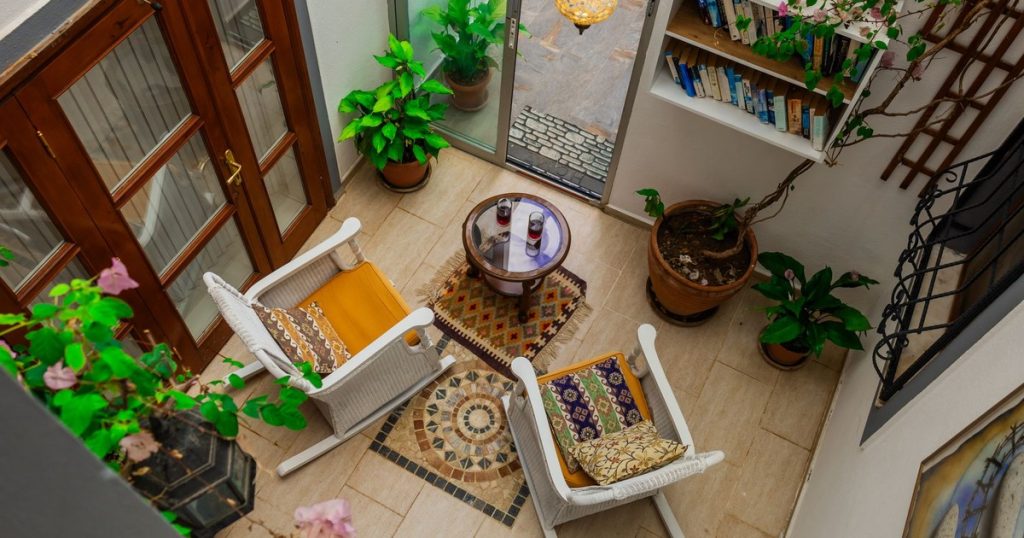
A small patio does not need to be a single unified zone. Even in a limited footprint, a corner designated for one specific quiet activity – a chair, a side table, a candle, nothing else – creates a pocket of intentionality that makes the space feel more purposeful. The size of this corner can be as small as four feet by four feet.
A deep-seated chair with a thick cushion, a narrow side table for a book or a drink, and a small planter directly beside it is the complete set. This corner is not multipurpose. It is for sitting and being still. On a small patio where everything else might be oriented toward entertaining or dining, a single chair turned slightly inward gives the space an entirely different register – one that says the owner thought about how they actually wanted to spend their time out here.
19. Install Deck Tiles Over an Existing Surface
Interlocking deck tiles – in teak, ipe, composite wood, or porcelain – snap together over any existing flat surface, including concrete, existing tile, or even a flat rooftop. They require no adhesive, no mortar, and no professional installation. They can be cut to fit and removed when you move or when you want a different look.
This is one of the lowest-friction upgrades available for a rented space or a patio with an existing surface that is not worth tearing out. A grid of warm teak interlocking tiles over a basic concrete slab transforms the surface texture and color in a single afternoon. Natural textures including wood decking and stone paver flooring with honed finishes add an inviting tactile element, with sustainably sourced teak a strong choice for both style and durability.
20. Mix Materials Deliberately
With limited square footage, mixing materials adds appeal to a small outdoor space. The most effective combinations in current patio design pair two primary materials – concrete with wood, stone with metal, tile with gravel – and keep everything else consistent. The contrast creates visual interest without the chaos of too many competing surfaces.
A concrete-paver patio with a border of dark river gravel, a wooden pergola above, and powder-coated steel furniture is a three-material combination that reads as cohesive rather than busy because each material belongs to a different layer of the composition. The floor is concrete and gravel. The structure is wood. The furniture is metal. When you keep each layer to one material, mixing materials actually simplifies the visual read.
21. Add Architectural Interest with Arches
According to Decorilla’s 2026 patio design report, patio design in 2026 favors arches over overhead beams, complemented by benches that round toward the view. A freestanding garden arch at the entry point of a small patio – framing the transition from the lawn or the door to the patio surface – adds an architectural moment without requiring a full structure. Plant it with a climbing rose or a clematis and the effect in summer is considerable.
For a more permanent version, a rendered masonry arch built into a garden wall creates the feel of a Mediterranean courtyard, which is one of the stronger aesthetic directions for small patio design right now. Elements of Spanish Revival design like textured stucco, arched openings, and patterned tiles are appearing in modern patios regardless of the home’s traditional roots.
22. Cushion Everything You Can
An outdoor cushion is one of the cheapest interventions available and one of the most effective. A bare concrete bench, a wooden slat chair, a metal bistro seat – all of them become genuinely comfortable places to sit once you add a thick, well-made outdoor cushion. The material investment is low; the comfort improvement is immediate.
If you already have outdoor cushions in reasonable condition, refreshing them with new covers is an excellent outdoor cushion refresh approach that costs almost nothing. Look for covers in solution-dyed acrylic fabric in whatever color the patio needs most. If the space is all neutrals, a single saturated tone in the cushion fabric – deep olive, brick red, cobalt – can do all the color work the patio needs.
23. Zone the Space with a Patterned Paver Design
Contrasting paver patterns turn hardscapes into functional artwork while guiding traffic flow through outdoor spaces. On a small patio, a patterned paver inset anchors the seating zone within the larger surface – and it sidesteps the maintenance concerns that outdoor textiles sometimes present.
A simple herringbone pattern in two complementary paver tones, or a compass rose inset in a contrasting stone, creates a focal point at the center of the seating area. This is a higher-investment idea than most on this list, but it adds permanent visual interest that no amount of furniture styling can replicate.
24. Grow Herbs and Edibles in Raised Planters
A raised planter box along one edge of the patio – growing basil, mint, rosemary, tomatoes, or whatever your household actually uses – gives the space a purpose beyond aesthetics. There is something grounding about a patio that provides something, and the practical payoff of stepping outside to cut herbs for dinner more than justifies the footprint.
Cedar raised beds are the traditional choice, but galvanized steel planters are increasingly popular for contemporary patio designs and they outlast wood significantly. A planter twelve inches deep is sufficient for most herbs and salad crops. One caveat: do not plant mint directly in a shared planter unless you want mint and only mint by September. It earns its own container.
25. Use Smart Outdoor Lighting
In 2026, the most successful patios weave discreet technology into the layout to support daily rituals and reduce friction. Smart outdoor lighting – controlled via app or voice, programmable for different scenes, and set to warm color temperatures for evening use – makes a small patio dramatically more useful across different times of day and different occasions.
A smart lighting setup does not need to be elaborate. A single smart plug connected to string lights or a pair of outdoor floor lanterns, scheduled to come on at dusk and turn off at midnight, removes the small friction of remembering to turn lights on and off. That friction, as tiny as it sounds, is part of why patios get ignored on evenings when it would otherwise be lovely to be outside.
26. Add a Shade Sail or Canopy
A tensioned shade sail – triangular or rectangular, attached between wall anchors or post anchors – is one of the most efficient ways to add shade to a small patio without a full pergola structure. The installation is relatively simple, the cost is modest, and the visual effect of a sail overhead creates a sense of enclosure that makes the space feel more room-like without blocking airflow.
Homedit’s 2026 outdoor design coverage notes that outdoor design is moving toward structured setups where seating, dining, and lounging areas are clearly defined, with pergolas framing spaces and layouts guiding how the area is used from the moment you step outside. A shade sail achieves a version of this definition without the commitment of a permanent structure. Choose a fabric with a UV block rating of 90 percent or higher – shade fabric is rated by UPF, and the difference between a cheap and a mid-range sail in terms of actual heat reduction is significant.
27. Embrace Earthy, Saturated Tones
Color in 2026 patio design is no longer reserved for cushions or potted blooms – it is appearing on walls and surfaces throughout the space. The palette dominating small patio design right now skews toward the earthy and saturated: terracotta, deep sage, burnt sienna, oxblood, warm charcoal. These colors read as sophisticated rather than trendy, they photograph beautifully in natural light, and they age gracefully in a way that brighter fashion colors do not.
If repainting a full fence or wall feels like too large a commitment, start with planters. A set of three pots glazed in a deep terracotta or a matte sage gives the palette a foothold without the permanence of paint. Add cushions in a complementary tone and the space picks up a coherent color story without a single brush stroke on the architecture.
28. Create Privacy with a Living Fence
A living fence – a line of tall containerized plants or a trellis planted with a fast-growing evergreen vine – solves the most common complaint about small patios in urban and suburban settings: the feeling of being watched. Privacy screening does not require a fence permit, does not block light the way solid fencing does, and gets better with every season.
Bamboo in large pots creates an immediate screen at height if you need privacy now rather than in two seasons. For a more refined approach, clipped hornbeam or boxwood in tall planters creates a formal hedge effect that looks equally good in contemporary and traditional garden settings. The investment is the pots and the soil; the plants establish themselves and fill in steadily from there.
29. Bring Indoor Comfort Outside with Upholstered Seating
Outdoor rooms in current patio design are conceived as genuine extensions of interior space, with trending furniture proportions matching those indoors right down to seat depth and table height, and upholstery tuned for weather but shaped like it belongs in a living room. Stop settling for patio furniture that is merely functional. Deep-seated outdoor sofas with thick, weatherproof cushions, properly sized coffee tables, and coordinated side tables create a living room experience on a small patio that makes it genuinely competitive with being inside.
Weather-resistant upholstery has improved enormously in the last few years. Solution-dyed acrylic and high-density outdoor foam now hold up to direct rain and UV exposure for multiple seasons without fading, molding, or losing their shape. A small two-seat outdoor sofa and a side table on a patterned outdoor rug is, functionally, a living room that happens to be outside.
30. Light the Path and the Perimeter
The perimeter of a small patio – the edges where the floor meets the planters, the steps, the fence, the transition to the lawn – is consistently under-lit in most residential outdoor spaces. Low-voltage path lights, LED step lights recessed into risers, or small solar spike lights placed at the base of planters give the space a layered foundation of light that makes the boundaries of the patio clear and the planting visible after dark.
Combining overhead lights for overall glow with smaller light sources like candles or portable lamps creates pockets of ambiance that work beautifully whether you are working with a sprawling backyard or a tiny balcony. Perimeter lighting is the third layer of that system, and it is the one most people forget. When the edge of the patio glows gently, the space reads as complete – contained and composed rather than trailing off into darkness at the edges.
Read More: 50+ Home Hacks Our Great Grandparents Used That Are Just As Brilliant Today
The Patio You Actually Use
The most important thing about a small patio is not that it looks good in photographs. It is that you go out there. The small patios that get used are the ones that feel like they were thought about – where someone decided what the space was for and made deliberate choices to support that function. A morning coffee patio needs good light, a comfortable chair, and a surface for the cup. An evening entertaining patio needs warmth, light, and seating for the number of people you actually invite, not an aspirational twelve. A solo retreat needs privacy, comfort, and the kind of sensory detail – a running water feature, a candle, a pot of something fragrant – that makes being still outside feel worthwhile.
None of the 30 ideas above require doing all of them at once. The most effective approach to a small patio is to start with one anchoring decision – usually the flooring or the main seating piece – and build outward from there, adding one layer at a time until the space tells you it is finished. It will tell you. You will walk outside one evening and realize you are not planning the next change anymore. You are just sitting there, and that is enough.
Disclaimer: This information is not intended to be a substitute for professional medical advice, diagnosis, or treatment and is for information only. Always seek the advice of your physician or another qualified health provider with any questions about your medical condition and/or current medication. Do not disregard professional medical advice or delay seeking advice or treatment because of something you have read here.
AI Disclaimer: This article was created with the assistance of AI tools and reviewed by a human editor.