

Social engagement is an essential and fundamental aspect of human nature, persisting throughout our entire lives. As inherently social beings, humans need interaction for proper development and a longer, healthier existence. A lack of social connection poses risks to both mental and physical health. Therefore, we require this engagement to sustain mental strength, practice communication skills, and cultivate meaningful relationships.
Loneliness, despite our increasingly interconnected world, has emerged as a significant public health crisis. The dangers of social isolation and loneliness are profound, reportedly posing a health risk equivalent to smoking 15 cigarettes daily, according to a 2010 meta-analysis by researchers Julianne Holt-Lunstad and Timothy B. Smith.
This isolation dramatically increases the risk for serious health issues, including dementia, heart disease, strokes, and diabetes. Furthermore, individuals grappling with loneliness are often vulnerable to a spiral of mental health issues like depression and anxiety, along with substance abuse (alcoholism or drug use) and sleep deprivation.
The Science Behind Loneliness
Research from the University of California, San Francisco, provides concrete evidence of the link between loneliness and mortality. A nationally representative study followed 1,604 adults, with an average age of 71, from 2002 to 2008. Published in the Archives of Internal Medicine, the findings showed a significant difference in death rates over the 6-year follow-up: 22.8% of lonely participants died, compared to only 14.2% of those with adequate companionship. Importantly, the study controlled for factors like socioeconomic status, depression, and pre-existing health issues.
Functional Decline Follows Close Behind
The UCSF study found that loneliness affects mortality risk and tangibly impacts the functional independence of older adults. The research highlighted significant physical decline among lonely participants. A concerning 24.8% of these older adults reported a decline in the ability to perform activities of daily living (ADLs), which more than doubles the rate (12.5%) observed in those who felt socially connected. Furthermore, lonely participants struggled more with specific tasks: 41.5% had difficulty with upper extremity tasks, compared to 28.3% of their less lonely counterparts, and 40.8% experienced a decline in stair climbing ability, versus 27.9% of those who felt adequately connected.
A Public Health Crisis Declared
U.S. Surgeon General Dr. Vivek Murthy formally declared loneliness an epidemic in May 2023, emphasizing its significant threat to public health. Around half of all American adults already reported experiencing loneliness, even before the widespread social disruption of the COVID-19 pandemic, according to the U.S. Surgeon General’s advisory.
Furthermore, Murthy’s office identified social isolation and loneliness as significant risk factors, comparable to other threats, for conditions such as cardiovascular disease, dementia, depression, and early death. This declaration, coupled with the launch of a National Strategy to Advance Social Connection based on 6 pillars, marked the federal government’s acknowledgement of loneliness as a societal issue rather than an individual’s own shortcomings.
What Loneliness Does to the Body

Social isolation and feelings of loneliness pose a significant threat to cardiovascular health. This risk involves both the development of new heart conditions and the exacerbation or acceleration of existing heart damage.
A 2022 meta-analysis in the Journal of the American Heart Association reviewed data from over 180,000 adults, reporting nearly 4,600 heart incidents. Loneliness is shown to be a significant, independent health hazard. It raises the risk of a heart attack by 29% and the risk of a stroke by 32%. Furthermore, socially isolated individuals who are already managing heart disease or have a history of stroke face substantially worse, compounding health risks.
The Brain Is Not Spared
Loneliness presents an independent, long-term danger to cognitive function. A significant analysis, funded by the National Institute on Ageing, clearly demonstrated this using data from over 600,000 participants across 21 long-term studies. Published in Nature Mental Health, the research indicated that loneliness increased the overall dementia risk by 31%. Specifically, the risk of Alzheimer’s disease grew by 14%, vascular dementia by 17%, and cognitive impairment without dementia climbed by 12%. Florida State University researchers led the study, which confirmed these effects continue even after they accounted for other factors like social isolation and depression, emphasizing that loneliness uniquely remodels the brain.
Sleep, Substance Use, and the Spiral
Loneliness is a self-perpetuating cycle that amplifies its own harm. A study in Nature Communications by UC Berkeley scientists Eti Ben Simon and Matthew Walker demonstrated that a lack of sleep triggers a neurological state of social withdrawal. Sleep-deprived individuals physically kept strangers farther away and displayed increased activity in brain areas associated with perceiving threats. The isolation resulting from one person’s lack of sleep can be socially contagious; even well-rested people begin to report feelings of loneliness following a short interaction with a sleep-deprived individual. This demonstrates how one person’s isolation can spread throughout a social environment. This self-reinforcing spiral is also evident in data from the Health and Retirement Study, which revealed that 63% of adults aged 45 or older with a drug or alcohol abuse diagnosis reported experiencing loneliness.
Why the Elderly Are Most Vulnerable
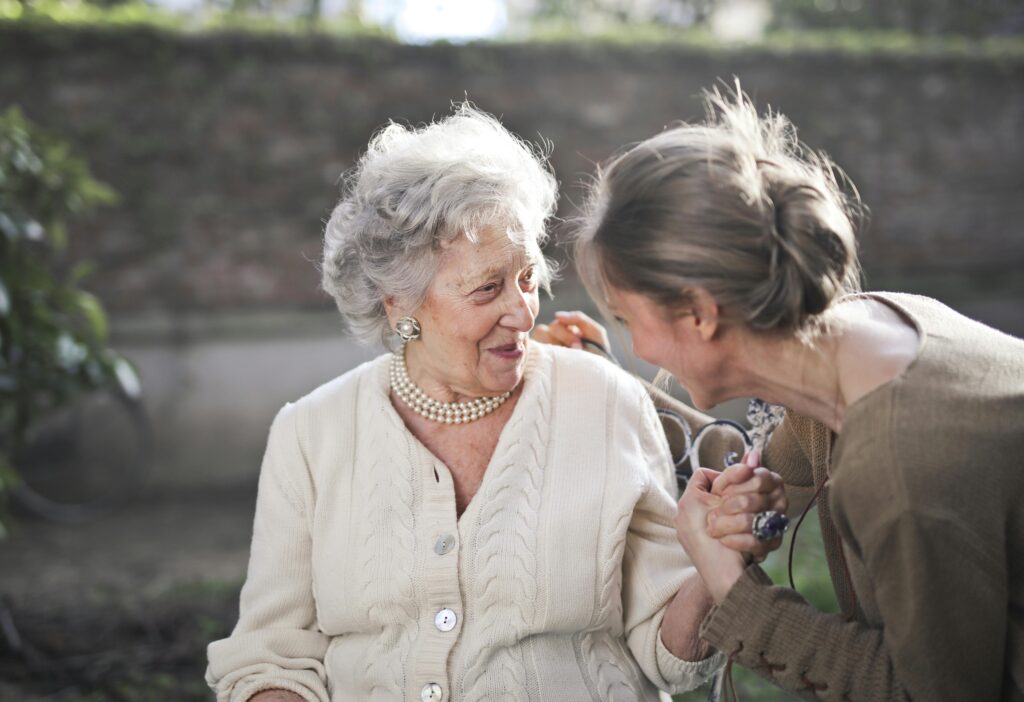
As people age, their social lives often shrink due to structural factors. Retirement ends the routine of daily workplace interactions, and the loss of spouses and friends, coupled with limitations in mobility and transportation, reduces opportunities for spontaneous social engagement. Data reflects this isolation: the National Academies of Sciences, Engineering, and Medicine estimates that almost a quarter of adults 65 and older are socially isolated. However, a UCSF study highlighted a crucial distinction: while 43% of the older adults surveyed felt lonely, only 18% lived alone. This suggests that the feeling of loneliness is not simply a result of physical solitude, but rather the consequence of lacking meaningful connections.
Older Relationships Are Deeper Relationships
Older adults bring unique qualities to their friendships, despite maintaining fewer of them. As noted by Rosemary Blieszner, a professor of human development at Virginia Tech and a leading late-life friendship researcher, elderly individuals draw on decades of relational experience in their social bonds. This experience means they tolerate friends’ imperfections and idiosyncrasies more easily than younger adults do. Having lived long lives, they have developed the wisdom to discern which issues merit conflict and which do not. This enhanced emotional intelligence results in relationships that are more stable and deeply nourishing, even if fewer. The profound quality of these connections significantly benefits their health.
The Need for Belonging Does Not Retire
Barbara Moscowitz, a senior geriatric social worker at Massachusetts General Hospital, addressed the persistence of this need directly in a statement reported by The New York Times. “The need we’ve had our entire lives — people who know us, value us, who bring us joy — that never goes away.” That statement captures the clinical reality. The developmental need for meaningful social bonds that drives behavior in infancy and adolescence does not diminish in old age. It shifts in form but remains constant in intensity. When that need goes unmet in older adults, the physiological consequences are measurable, documented, and serious.
A Lifetime of Social Ties Slows Biological Aging
Having strong social ties is a fundamental biological process that actively slows down how quickly our bodies age at the cellular level. Scientific evidence, such as a 2025 study from Cornell University, demonstrates that lasting social relationships can actually reverse “epigenetic clocks,” causing people with robust connections to be biologically younger than their chronological age. Researchers can measure this slowing of aging by observing changes in DNA methylation levels (chemical tags on your DNA that turn genes on or off. The study identified four key social factors responsible for this anti-aging effect: consistently offering emotional support, regularly participating in spiritual or religious communities, ongoing involvement in community or civic actions, and receiving substantial parental care during one’s youth. Collectively, this research suggests that being socially connected provides a significant advantage for longevity.
The Surprising Role of Assisted Living
Assisted living environments actively refute the common cultural misconception that moving an elderly relative into a care facility constitutes abandonment. In reality, these communities often serve the opposite purpose. They purposefully structure these environments to encourage consistent social engagement through shared activities, community programs, group events, hobby clubs, and fitness classes. This proactive approach directly counters the isolation often experienced in solitary home environments, which act as structural barriers to connection. The University of Michigan’s National Poll on Healthy Aging supports this, showing adults living alone faced a 38% higher risk of loneliness compared to those who lived with others.
Social Environments Extend Healthy Years
Strong social environments in communities offer more than just a reduction in loneliness; they are a direct support for physical health. Research from the National Council on Aging highlights that robust social connections are linked to a slower rate of cognitive decline and can delay the onset of dementia. Intergenerational programs in care settings, involving older adults with younger volunteers or mentees, have also been proven to lessen loneliness, reduce ageism, and strengthen connections across generations. The Bristal senior living network documents several physical health benefits from consistent social interaction in assisted care, including better heart health, a lower risk of depression, reduced inflammation, and improved antiviral responses.
Independent Living Thrives on Social Design
For older adults who retain independence, the design of their living environment still shapes their loneliness risk. Research published in the Journal of Gerontology found that older adults close in quality and strength to family ties, not just in geographic proximity, reported better mental health scores and higher levels of social activity than those who were kinless or socially disconnected. Unmet practical needs did not explain these differences. The presence and quality of the social bond itself drove the outcomes. This means the most meaningful investment a family can make in an elderly relative’s health is not always material. It is relational.
Read More: The Benefits Of Kids Living Close To Their Grandparents
The Case for Showing Up More Often
The relationship between an older adult and a younger family member is not one-directional. A meta-analytic review published in PLOS Medicine found that people with stronger social relationships had a 50% increased likelihood of survival compared to those with weaker relationships. That benefit extends to both parties in an intergenerational dynamic. Older adults gain companionship, stimulation, and emotional validation. Younger family members gain perspective, life lessons, and access to knowledge that no institution can replicate. Studies from the University of Florida note that younger people who maintain relationships with older adults demonstrate increased empathy and report a greater sense of community connection. The exchange is genuinely mutual.
The Cumulative Effect of Regular Contact
A 2023 PNAS study examined the relationship between cumulative loneliness and all-cause mortality using data from 9,032 participants aged 50 and older, tracked from 1996 to 2019 through the Health and Retirement Study. The results established a clear dose-response relationship. Participants who experienced loneliness at three or more time points over 8 years faced a 14% higher hazard of mortality in the subsequent 15 years, translating to 288 excess deaths per 10,000 person-years. That means loneliness sustained over time carries a greater risk than loneliness experienced once. Consistent, regular contact, therefore, is not just comforting. It is protective in a measurable, cumulative way.
Small Gestures, Real Outcomes
The research shows that highly complex systems are unnecessary. Real impact stems from simple, intentional gestures like a phone call, sharing a meal, or a visit. Older adults thrive on the quality of meaningful relationships, not the size of their social network; even one strong, supportive connection significantly counters the health risks of social isolation. Furthermore, consistently making a simple effort to connect with a parent, a call, dinner, or just being present, acts as powerful preventative therapy for their physical health.
A.I. Disclaimer: This article was created with AI assistance and edited by a human for accuracy and clarity.
Read More: 10 Things Unhappy People Need to Understand