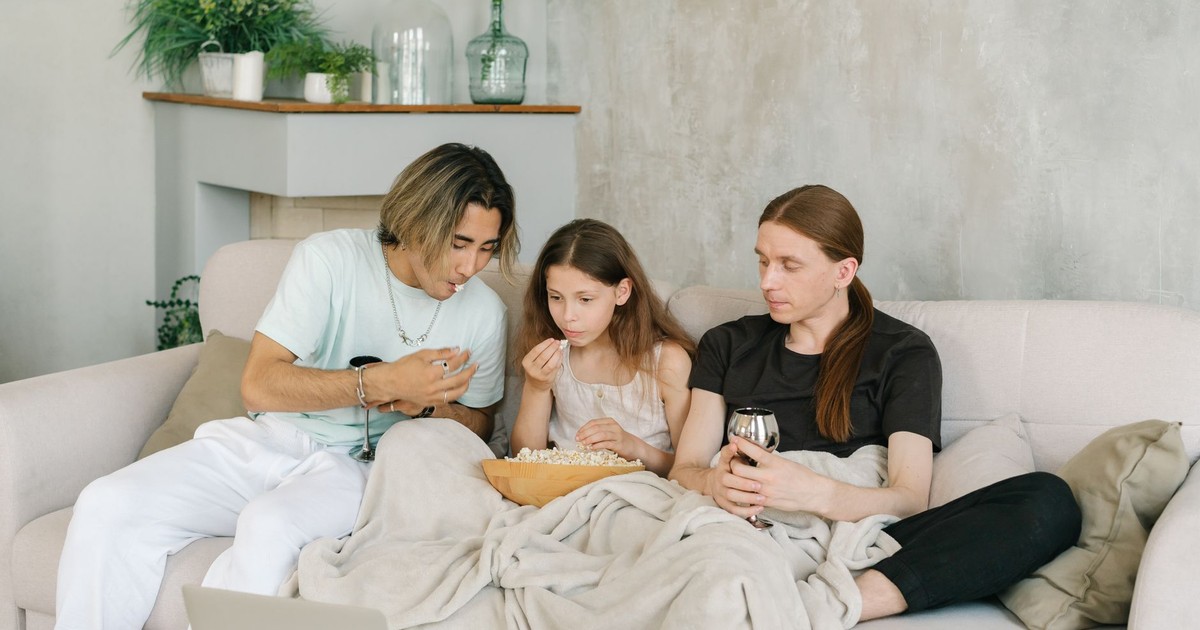

Going out used to be the default. Staying home was what happened when you ran out of energy, ran out of money, or ran out of reasons, and either way, you owed someone a slightly apologetic explanation. The cultural assumption was clear: people who thrived were out in the world, and people who stayed in were, at best, resting.
That assumption has reversed, not gradually but decisively. The home is no longer where you go when you can’t be bothered. For a growing number of people, it is the destination, the place they have actively invested in, curated, and chosen, sometimes over very good alternatives. The staying in trends that started as a quiet preference have become a lifestyle with its own economy, its own aesthetic, and, for the first time in a long time, no apology attached.
The Numbers Behind the Night In
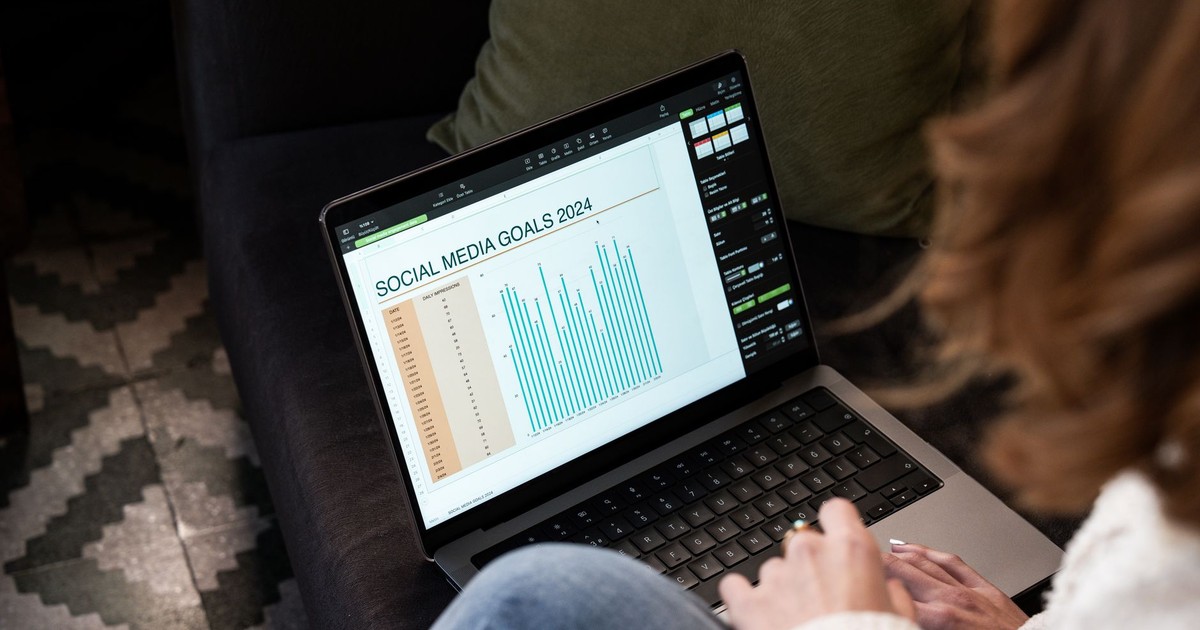
Research by Obsurvant on behalf of the Night Time Industries Association found that 61 percent of respondents reported going out less frequently in the past year, with only 16 percent saying they go out after 10pm at all. That survey covered 2,001 people aged 18 to 30, the demographic that nightlife industries have historically counted on most. Of those surveyed, 68 percent said the current economic climate had reduced their participation in nighttime activities, and 53 percent reported spending less on going out compared to the previous year.
The traditional night out is also getting squeezed from the supply side. Nightclub sites in the UK are still down 33 percent from five years ago. Drink sales after 1am have slumped, recording a stark 13 percent decline. The industry is adapting. Traditional nightclub attendance among younger demographics, Gen Z in particular, is declining as home streaming, gaming, and virtual socialization compete for discretionary time, and operators are responding by pivoting to hybrid concepts and experiential formats that adapt across dayparts.
This isn’t a story about people being broke, though money is part of it. It’s a story about a genuine recalibration of what a good evening looks like.
A Cultural Shift That Was Already Underway

The pandemic accelerated something that was already in motion. Research by Princeton professor Patrick Sharkey, published in Sociological Science, found that Americans were spending one hour and 39 minutes more time at home on a typical day in 2022 compared to 2003, roughly 10 percent more. The largest changes were found among younger people, with those aged 15 to 34 spending more than two additional hours at home per day by 2022 compared to 2003.
What changed wasn’t just behavior, it was the language around behavior. The word “homebody” used to carry a faintly apologetic flavor, as if it were something you disclosed about yourself like a minor health complaint. TikTok hashtags like #HomebodyLifestyle, #CozyGaming, and #ProtectYourPeace have since racked up billions of views, echoing a cultural movement that openly embraces staying in. The internet didn’t create the impulse — it gave it a platform, and the platform found a vast and willing audience.
With mortgage rates remaining above 6 percent, many homeowners are deciding to stay put and focus on home improvement projects. Thumbtack’s 2026 Home Trend Predictions Report, released in partnership with Redfin, found that homeowners are rethinking how their spaces function as more people stay in place and adapt their homes to evolving life stages, with more than half of home professionals expecting renovation spending to increase in 2026 compared to 2025. Buyers and homeowners are searching for homes that feel comforting, calming, restorative, and deeply personal, wanting their home to become their favorite destination.
The Room Gets a Glow-Up
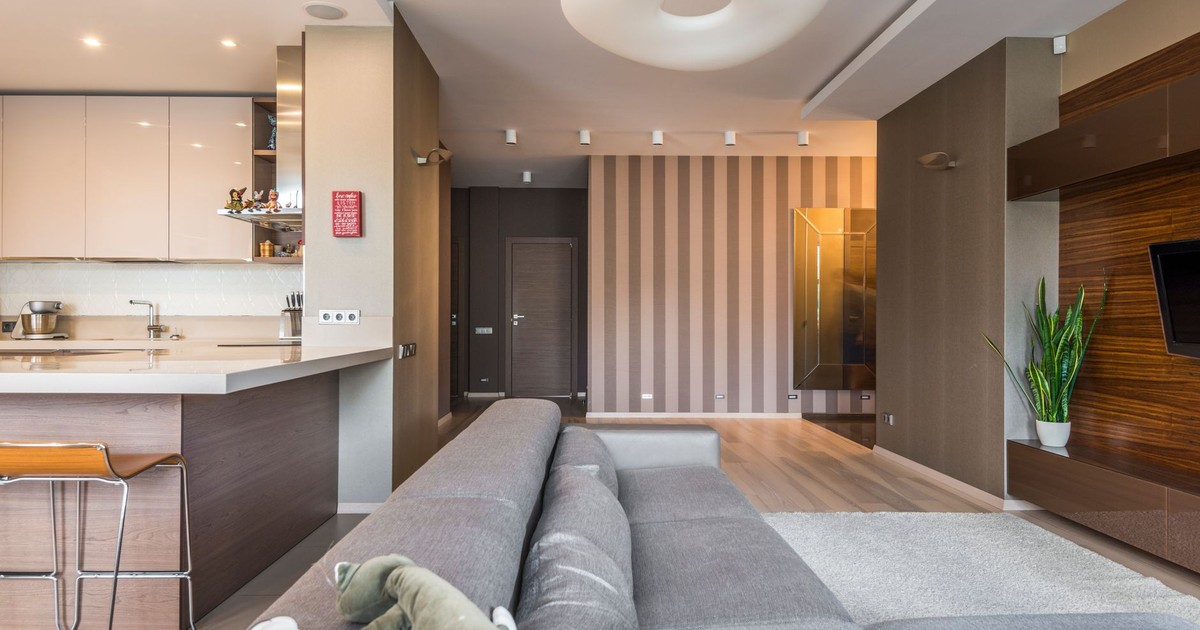
When the home becomes the primary destination, people invest in it differently. Not just in a “replace the sofa” way, but in a thoroughgoing reimagination of what a living space is actually for. The idea of “home” has evolved into a multi-functional sanctuary, a space for work, rest, entertainment, and wellness, with today’s homes being redesigned to serve the emotional and environmental needs of their inhabitants, from ergonomic furniture and mood lighting to solar-integrated appliances and wellness nooks.
Home decor gets away with a lot when the brief is “make this feel like the nicest place I’ve ever been.” Soft textures, ambient lighting, and calming color palettes have become the building blocks of a comforting space, with pastel tones, neutral hues, and tactile materials like velvet, boucle, and cotton dominating the aesthetic. If you’ve been down a home interior design rabbit hole lately, you already know how specific and committed this gets. The idea isn’t a room that looks nice in photographs. It’s a room that feels good to be in at eight on a Tuesday night when you’re choosing between your couch and literally anywhere else, and the couch wins without a fight.
The Streaming Economy of a Night In
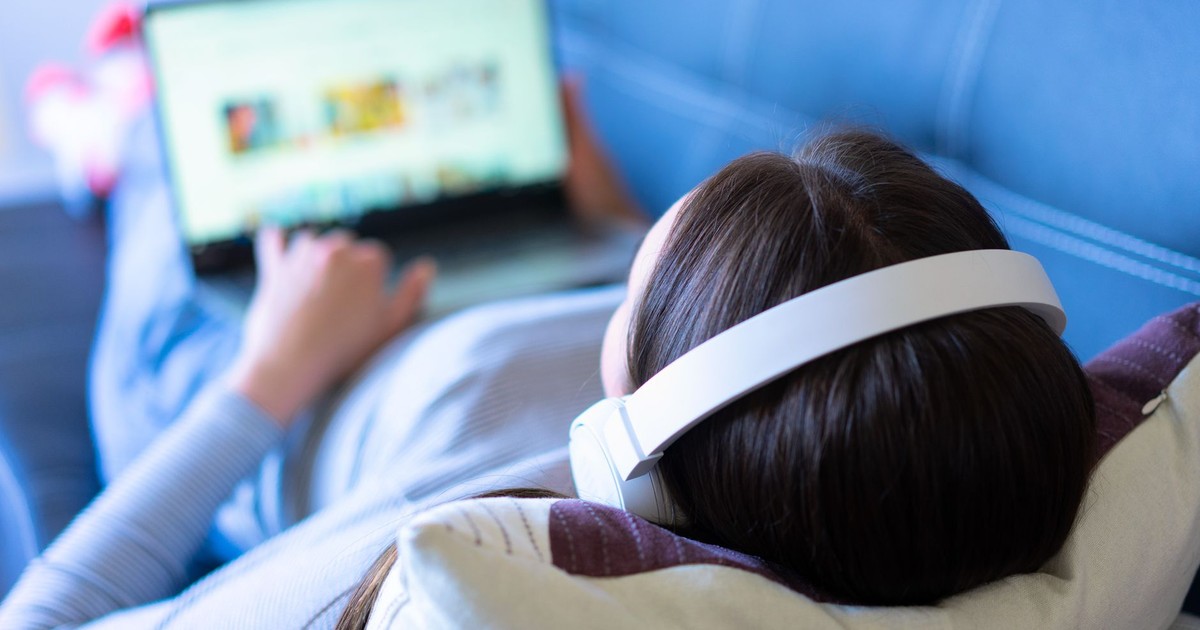
Entertainment spending at home has become its own substantial industry. The global home entertainment device market has grown steadily in recent years, driven by people who are actively building the kind of home entertainment setup that makes a night in feel like a genuine event rather than a default.
Streaming is where the at-home spending picture gets interesting. Parks Associates’ State of Streaming report found that streaming subscriptions now reach 91 percent of U.S. internet households, a market that has expanded significantly as households add services. At the same time, 68 percent of SVOD-subscribing households now have at least one ad-supported streaming service, up sharply from 54 percent a year earlier, according to Deloitte’s 2026 Digital Media Trends. People want the richness of the at-home entertainment experience. They’re getting increasingly creative about how they pay for it.
The Kitchen as the New Restaurant
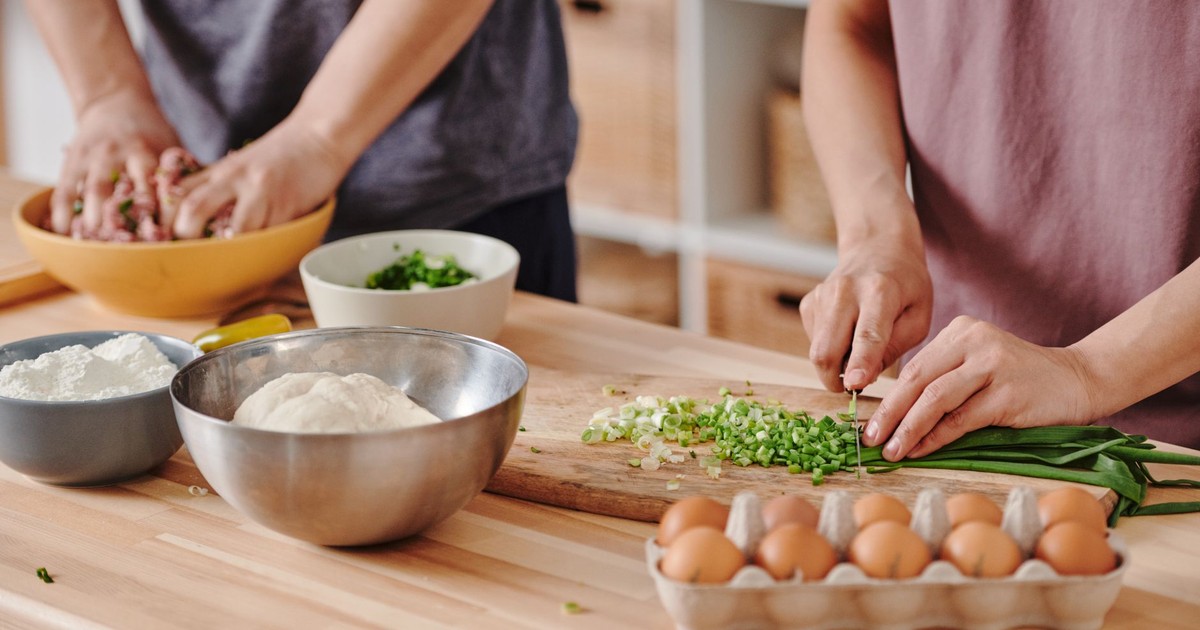
Dinner has also become part of the staying in trends conversation. Meal kit services have built a significant business on the premise that the best restaurant experience might be the one you cook yourself. The global food subscription market has grown considerably, with North America holding the largest regional share, and multiple market analyses project the sector will roughly double in value over the coming decade. Meal-based subscriptions hold the largest share, fueled by a growing preference for home-cooked meals and pre-portioned kits among urban professionals and families.
There’s something in this that goes beyond economics, though the economics are real enough. A night in that involves cooking a proper meal, one where you actually looked up a recipe and bought the specific ingredient you never normally stock, is a night that feels intentional rather than passive. The home becomes a place you’re actively inhabiting rather than retreating to.
Read More: The Rudest Things You Can Do in Someone Else’s House
The Staying-In Wellness Overlap
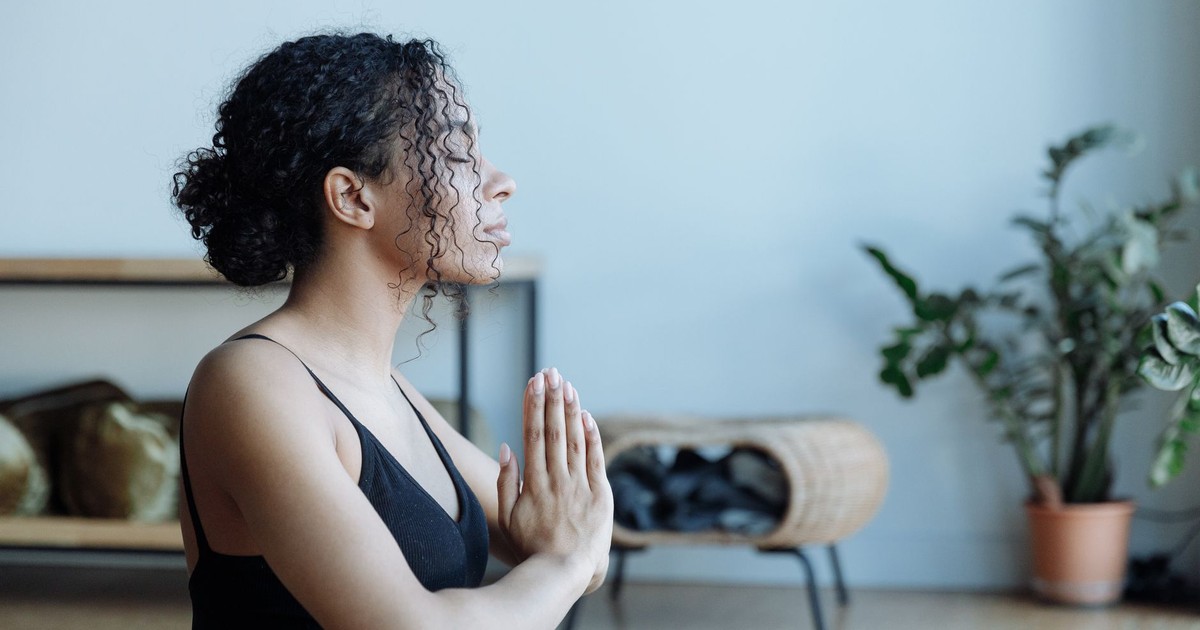
The staying in trends and wellness culture have become deeply intertwined, and this is where the full picture starts to emerge. Homebody culture is a growing lifestyle movement that celebrates the joy of staying in, prioritizing comfort, self-care, and creating a sanctuary at home, blending elements of minimalism, mindfulness, and the Danish concept of hygge, placing emphasis on slowing down, nesting, and finding peace. That description would have sounded like an excuse in 2010. In 2026, it sounds like a considered life philosophy.
The word “hygge,” the Danish concept of comfortable conviviality, warmth, and the pleasure of simple pleasures, doesn’t translate directly into English because English never quite needed it before. It turns out we needed it. The interest in building a home that genuinely restores you isn’t about avoiding the world. It’s about creating a counterweight to a world that demands a lot.
Who’s Actually Staying In
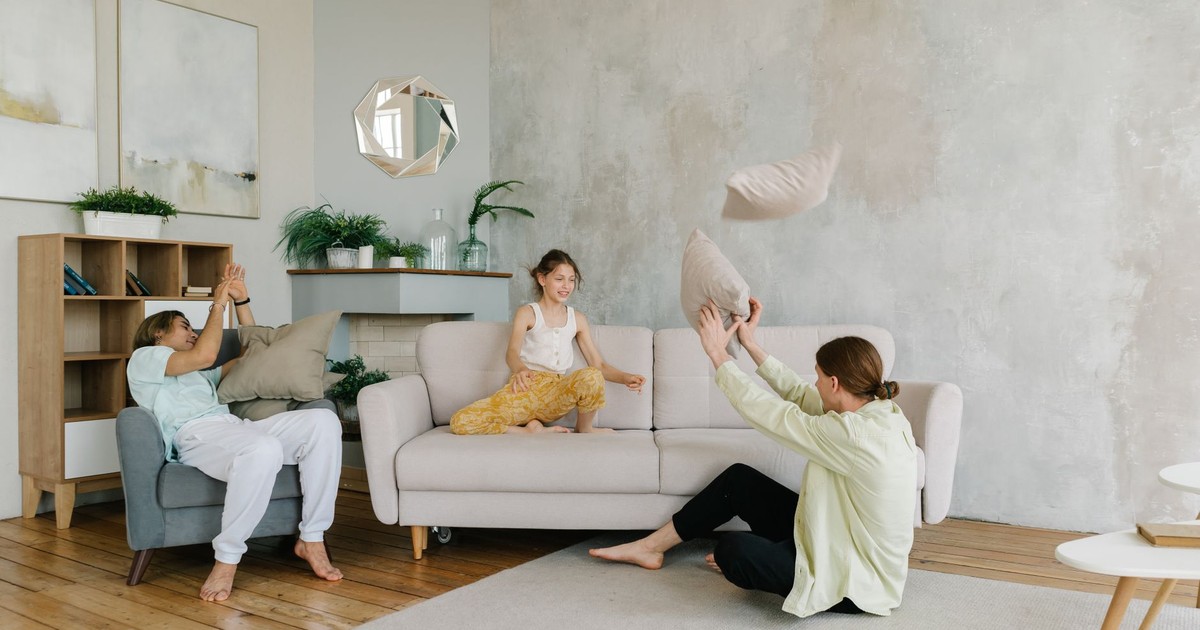
The staying-in wave is not uniform. Similar patterns of declining nightlife participation are visible among younger demographics in major nightlife hubs worldwide. But the trend is generational in both directions. Older adults who might once have felt social pressure to maintain a packed calendar of evening commitments are increasingly comfortable declining them. Parents who spent years feeling guilty about preferring the couch to the school fundraiser gala have found that the culture has finally caught up to their honest preference. The women who built social lives around going out in their twenties and now, in their thirties and forties, find the home genuinely preferable, not because they’ve become less interesting, but because their preferences have changed and the culture has finally caught up to them.
The staying-in trend is sometimes framed as a rejection of connection. It isn’t. It’s a reshuffling of what connection looks like. Hosting a dinner for four people, movie night on a proper screen, a long phone call on the sofa with the kind of uninterrupted attention you can’t give someone at a loud bar, these are forms of connection. They’re just forms that happen at home.
What This Is Really About

The deeper thing underneath all the home entertainment market projections and the TikTok hashtags and the meal kit subscriptions is a cultural reckoning that has been a long time coming. For decades, the implicit social contract said that busyness was virtue, and going out was proof of a full life. Admitting that you preferred the couch, not because you were tired, but because the couch was genuinely where you wanted to be, required a level of self-assurance that most people didn’t have because the culture wasn’t offering them any cover. That cover has now arrived, and it arrived not as a pandemic-era holdover but as a genuine shift in what people openly claim to value.
The staying-in trend isn’t the death of going out. People still go to concerts and dinners and nights that run past midnight when the occasion earns it. But the calculus has shifted. Going out is now something people do when they actually want to go out, rather than something they do because staying in required justification. Some of the most comfortable evenings you will ever have will be ones where you chose the home without apology and spent zero time wondering if you were supposed to be somewhere else.
Disclaimer: This information is not intended to be a substitute for professional medical advice, diagnosis, or treatment and is for information only. Always seek the advice of your physician or another qualified health provider with any questions about your medical condition and/or current medication. Do not disregard professional medical advice or delay seeking advice or treatment because of something you have read here.
AI Disclaimer: This article was created with the assistance of AI tools and reviewed by a human editor.