

In the ongoing quest to satisfy our sweet tooth without the accompanying sugar crash, stevia has emerged as the darling of the health food world. Found in everything from diet sodas to the familiar green packets on your coffee bar, this plant-derived, zero-calorie sweetener is widely marketed as a clean, natural alternative to synthetic options like aspartame or sucralose.
But as its popularity has skyrocketed, so have the questions surrounding its long-term impact on our bodies. Is stevia truly a harmless shortcut to weight management and stable blood sugar, or is it secretly disrupting our gut microbiomes and triggering hidden side effects? Cutting through the marketing hype and the alarmist headlines requires looking directly at what science actually says.
Here is the truth about how stevia affects your health, backed by two decades of research and the latest clinical data.
What Stevia Actually Is

Stevia is a plant, Stevia rebaudiana Bertoni, native to Paraguay, where it has been used to sweeten food and drink for centuries. The sweetness comes from compounds in the leaves called steviol glycosides. Regulatory agencies and researchers have consistently drawn a distinction between the whole leaf and purified steviol glycoside extracts, with the two treated differently in terms of approved uses and safety data requirements.
The FDA is specific on this point: whole-leaf and crude stevia extracts are subject to an import alert and are not permitted for use as sweeteners in conventional foods. What the FDA has accepted, without objection, is the use of certain highly purified steviol glycosides derived from stevia leaves, which have been the subjects of GRAS (Generally Recognized as Safe) notices. That’s the version sitting in your pantry in a green packet. Not the leaf. The highly refined extract.
Whole stevia leaves, roots, stems and other raw parts of the plant are not FDA-approved for food use. The same applies to crude extracts below 95 percent purity and stevia supplements. This doesn’t mean the whole leaf is dangerous. It means the toxicological data the FDA requires for conventional food approval hasn’t been established for it.
What the Largest Review Found

In January 2026, one of the most comprehensive analyses of stevia research to date was published. Researchers conducted a systematic search of PubMed, Web of Science, and CNKI, covering publications from January 2005 to September 2025. After deduplication and screening, the resulting Frontiers in Nutrition review evaluated around 200 full-text articles.
The findings pointed to anti-hyperglycemic effects through mechanisms including enhanced insulin secretion and modulation of glucose transporters, anti-hyperlipidemic properties, and antihypertensive actions linked to vasodilation. Stevia also exhibited anti-inflammatory, antioxidant, and anti-caries effects. Toxicological studies have consistently supported its safety, establishing an acceptable daily intake of 4 mg per kilogram of body weight and showing no evidence of mutagenicity or carcinogenicity.
Two decades of research, around 200 studies evaluated, and no cancer signal. That’s a cleaner record than a lot of things people put in their coffee without a second thought.
The Blood Sugar Question
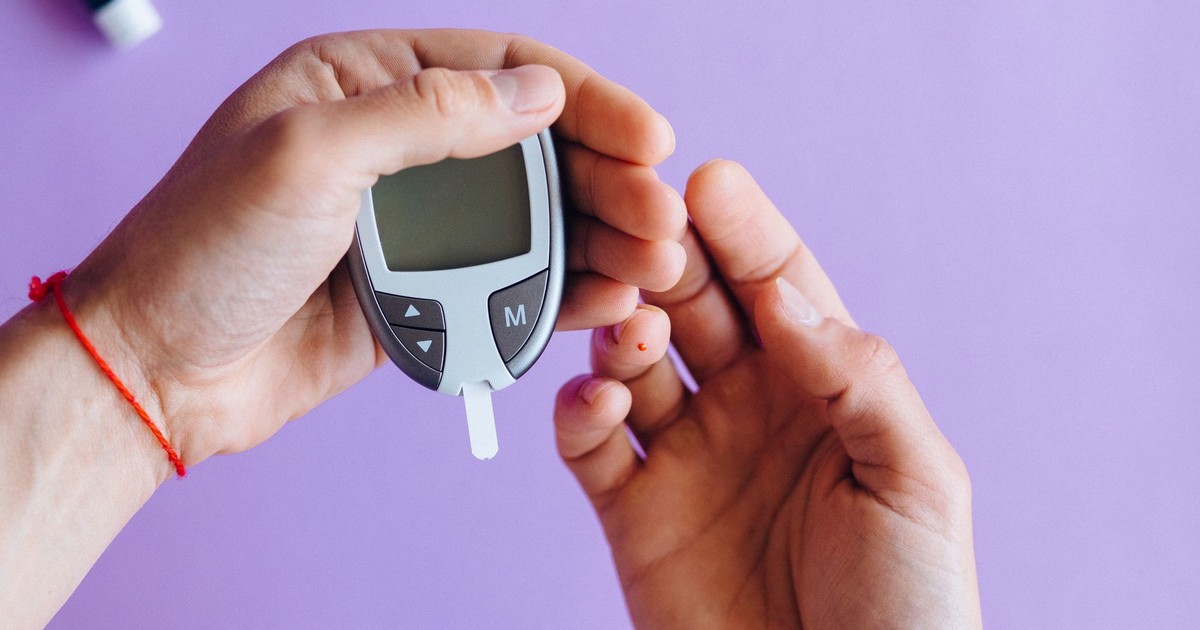
A 2024 meta-analysis found that stevia improved blood glucose control, especially when consumed for less than 120 days. However, the researchers noted that more randomized trials with higher stevia dosages are still required. This 2024 meta-analysis from PubMed pooled data from 26 studies involving 1,439 participants. But the authors described their own conclusion as “low certainty evidence,” which is exactly the kind of intellectual honesty that rarely makes it into the simplified headlines.
A randomized, placebo-controlled clinical trial published in 2025 found that stevia treatment significantly reduced systolic blood pressure, diastolic blood pressure, postprandial blood sugar, and inflammatory markers in patients with chronic kidney disease. The results were encouraging, but they were also specific to a patient population already dealing with kidney disease and cardiovascular risk. Extrapolating from a CKD trial to general daily stevia use for healthy adults requires a leap the researchers themselves didn’t make.
Research, primarily from China, has suggested that high doses of stevia extracts may help lower blood pressure in individuals with mild hypertension, although results have been mixed and the studies have faced scrutiny regarding their design and reproducibility.
The Gut Health Debate
Researchers investigated how regular consumption of stevia, for up to 12 weeks, impacts the human gut microbiota. Healthy subjects with a normal body mass index participated; the stevia group was asked to consume five drops of stevia twice daily, compared to control participants. The 2024 study, published in Nutrients, found no significant changes in the microbial composition of participants’ gut microbiota over the consumption period. This supports the idea that stevia may have a neutral effect on gut health and does not disrupt the gut ecosystem.
A 2025 review of the broader literature found that human studies generally support minimal microbiota effects from stevia consumption, while some animal studies have shown that stevia can alter microbiota composition under certain dietary conditions. The overall picture from human data is that gut impact is limited, though findings are not uniform across all study designs and populations.
While stevia has shown potential as a prebiotic, promoting beneficial bacteria such as Lactobacillus and Bifidobacterium, it does not consistently alter the microbiome across all studies. Stevia’s influence on gut bacteria may vary based on dosage, the individual’s health status, and the type of stevia used.
That last qualifier matters a great deal. A purified steviol glycoside extract is a fundamentally different substance from a crude extract, just as a filtered, distilled spirit is a different thing from raw fermented grain mash. The form you consume affects what your body actually encounters.
The Side Effects That Are Real

Common side effects include nausea and bloating, reported across multiple studies, and for some people these are not trivial inconveniences. They’re the reason they stop using the product altogether. If your body signals discomfort every time you use it, that signal is worth heeding regardless of what the research averages say.
Some concern exists that stevia can trigger hormone disruption, a claim that traces back to a study from 2016. Health researchers continue to examine this, but it has not been replicated in more recent large-scale studies with the same force.
At least one animal study found that low-dose stevia, consumed alongside an energy-dense diet, altered gut microbiota in rat dams and their offspring, with specific changes observed in the diversity and composition of microbial populations. Animal studies are a starting point for investigation, not a conclusion for humans.
The Strongest Counterargument
No long-term randomized human trials have tracked stevia’s effects across decades, which remains the central methodological gap in its safety record. Stevia, as a mainstream commercial sweetener, is still relatively young. Japan has used it since the 1970s without apparent population-level harm, and the Joint FAO/WHO Expert Committee on Food Additives (JECFA) and the European Food Safety Authority have both set an acceptable daily intake of 4 mg per kilogram of body weight, which, for a 70 kg adult, amounts to roughly 280 mg per day, far beyond what normal daily consumption would ever reach.
But “no known harm over 50 years in Japan” and “proven safe in all populations across all consumption patterns” are not the same statement. The European Food Safety Authority’s 2024 scientific opinion on steviol glycosides found no safety concern at established intake levels, and yet long-term studies must still be conducted before any long-term effects can be confirmed. That official acknowledgment of a knowledge gap, buried inside a broadly positive safety evaluation, deserves a closer read than it usually gets.
For anyone making dietary decisions, especially people navigating questions about butter, margarine, and the seemingly endless parade of ingredients that flip from “good” to “bad” to “actually fine,” this kind of nuance is the whole game.
Where I Land on This

Stevia in its purified, commercially approved form is among the better-studied and more reliably safe options available to people who want or need to reduce their sugar intake. The fear of it is not well-supported by current evidence. The unbridled enthusiasm for it as a miracle sweetener is also not fully warranted. Both of those things can be true at once.
The people for whom the blood sugar evidence is most relevant, those managing prediabetes, type 2 diabetes, or chronic kidney disease, have the most potentially to gain from what the emerging research suggests, and also the most reason to discuss it with a clinician before making stevia a deliberate part of their health strategy rather than just a coffee sweetener.
For everyone else: the 12-week gut microbiota data is reassuring. The 2026 systematic review finding no carcinogenic or mutagenic risk across two decades of research is reassuring. The lack of long-term randomized human trials is a genuine gap. And the nausea and bloating reports are real enough that listening to your own body remains the most practical advice available.
Stevia is not trying to hurt you. It is also not magic. Most of the actual evidence lives in that unremarkable middle ground.
The Question Nobody Asks
Stevia is rarely evaluated in isolation — the relevant comparison is always against something else. The alternatives in the non-nutritive sweetener category, aspartame, sucralose, saccharin, each carry their own unresolved questions. A 2024 study review found that sucralose may have possible links to systemic inflammation, metabolic diseases, disruptions in gut microbiota, liver damage, and toxic effects at the cellular level. That’s a considerably less comfortable profile than what the current stevia data shows.
The choice is rarely between stevia and nothing. It’s usually between stevia and sugar, or stevia and a synthetic alternative. Framed that way, the question of stevia safety effects looks different. Not “is this perfect?” but “is this a reasonable option for someone who has decided they want a sweetener?” The answer, based on what the current body of research shows, is yes, with eyes open to what we still don’t know.
Some of those unknowns will be answered in the next five years. Some won’t. Neither of those facts is a reason to be afraid of your morning coffee. They’re just a reason to stay curious and to pay attention when the science updates, which, with stevia, it reliably does.
Disclaimer: This information is not intended to be a substitute for professional medical advice, diagnosis, or treatment and is for information only. Always seek the advice of your physician or another qualified health provider with any questions about your medical condition and/or current medication. Do not disregard professional medical advice or delay seeking advice or treatment because of something you have read here.
AI Disclaimer: This article was created with the assistance of AI tools and reviewed by a human editor.