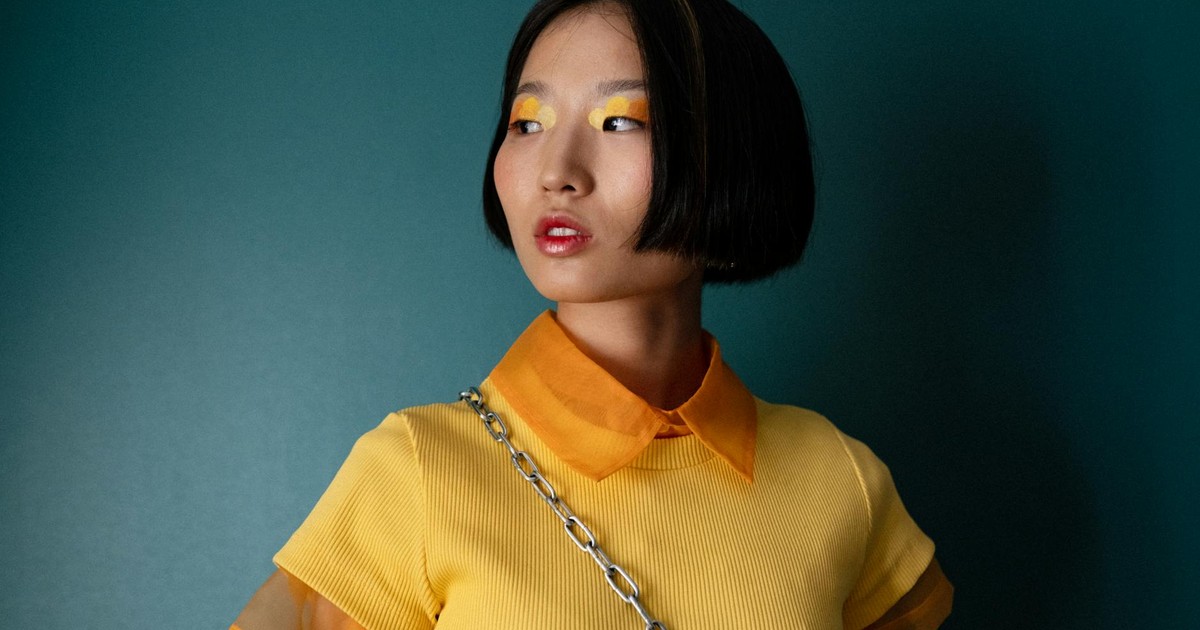

Style, when it’s real, doesn’t announce itself. It doesn’t clear its throat or check the room. You feel it before you can categorize it, the way you feel the temperature change when you step outside. What registers first isn’t any single item of clothing. It’s something more structural, something about the relationship between the person and what she’s wearing. The clothes look as though they were made for that specific life, not borrowed from someone else’s idea of what that life should look like.
That feeling, the one that stops you mid-sentence at a birthday party or makes you glance twice at a stranger on the train, is what style admired women actually generate. It has almost nothing to do with spending money and almost everything to do with a quality that is surprisingly hard to fake: knowing yourself well enough to dress accordingly. Fashion researchers call this enclothed cognition. The rest of us just know it when we see it.
What makes this particularly interesting is that the signals other women read aren’t primarily visual in the way we usually mean when we talk about style. They’re behavioral. They accumulate across dozens of small, consistent choices that stack into something people recognize but can’t quite articulate. If you’ve wondered whether your own style reads the way you intend it to, here are thirteen signs the answer is yes.
1. You Get Asked “Where Did You Get That?”

Not once, and not from your most fashion-forward friend who asks everyone that question. Regularly. From the woman in the elevator, from the colleague who passes you in the hallway, from the mother at school pickup who has never discussed clothing with you before in her life. When the compliment is coming from people who don’t normally give them, you’re doing something right.
“You look great” is a general social nicety. “Where did you get that?” is a request to be let in on a secret. It means the piece you’re wearing is doing something singular enough that the observer wants to track it back to its origin. It’s not always about the item itself. Sometimes the question is really asking: how do you put it together that way? What is the organizing principle here?
When you hear it regularly, you’re not just well-dressed. You’ve become a source. Other women are building a mental file of things you’ve pointed them toward, and they’re returning to that file, which means your taste has enough coherence and enough differentiation that it reads as a perspective worth consulting.
2. Your Outfits Look Intentional, Not Assembled
There’s a difference between a person who got dressed and a person whose outfit was considered. The assembled look has a slight randomness to it, a sense that each piece is doing its own thing, asking for your eye’s attention simultaneously, without any of them quite winning. The intentional look has a logic. You can see what the focal point is. You understand why the shoes are what they are.
A 2025 study in Frontiers in Sustainability confirms that the way a person dresses signals social categories such as status and aesthetics, as well as cognitive states. What other women are reading when they sense intention is not just an aesthetic preference. They’re reading coherence, and coherence communicates something about who you are and how you relate to your own appearance. A look that has a clear internal logic tells the observer that the person wearing it knows themselves.
This doesn’t require expensive clothes, a specific aesthetic, or even a wardrobe full of options. It requires that whatever you’ve put on makes sense on you, and that you made a decision rather than just reaching for what was cleanest. The difference between those two things is visible from across a room, even when no one can articulate exactly why.
3. You Own Your Proportions
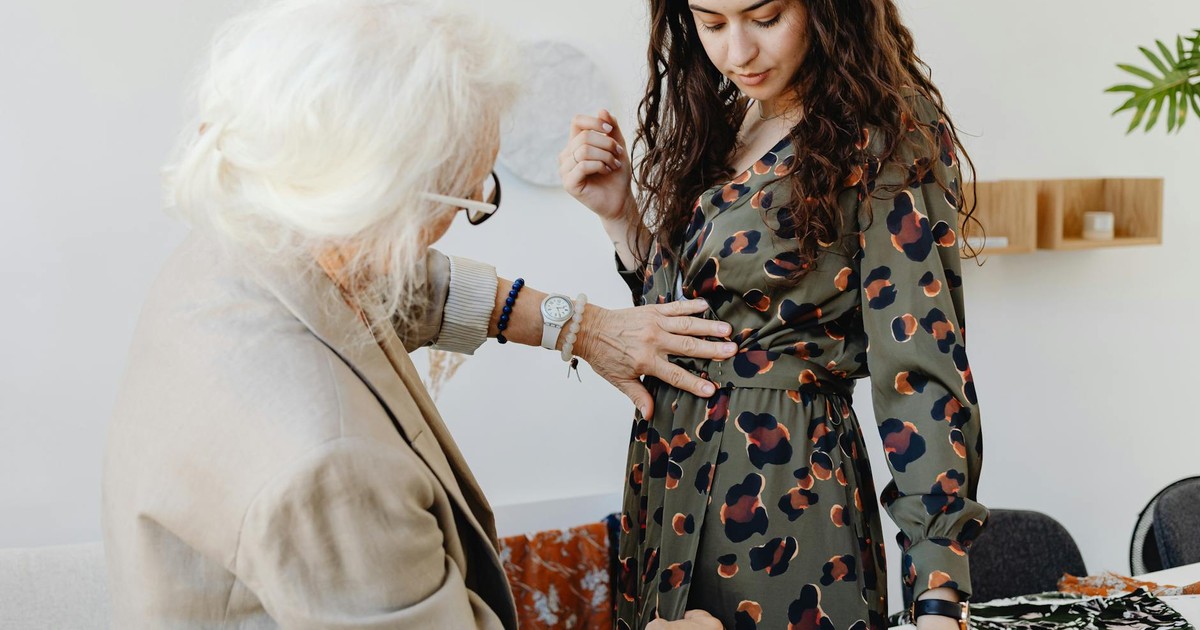
The clothes that generate the most admiration from other women are almost never the most expensive ones in the room. They’re the ones that fit. Not just in the “nothing is gaping or bunching” sense, though that’s the baseline. In the sense that the proportions of the outfit are working with the proportions of the body wearing it, creating a silhouette that looks like a decision rather than a default.
Research from the Research Archive of Rising Scholars, 2025 describes clothing as a psychological tool, “a second skin,” that assists individuals in creating confidence, identity, and self-esteem. The physical experience of wearing something that fits properly is registered by the wearer and readable by everyone around her. A woman who has figured out her proportions stands differently in her clothes. She doesn’t adjust, pull, or second-guess. She just wears them.
Other women notice this immediately, even if they’d frame it as “she always looks so put together.” What they’re noticing is a woman who has done the studying, who understands what actually fits her body rather than what she wishes fit it, and who buys accordingly. Understanding how fit and footwear choices compound each other is part of that same calculus, because proportion starts at the ground.
4. People Assume You Have a Stylist

You don’t. But something about the consistency and cohesion of what you put together leads people to believe an outside eye is involved. This is one of the stranger and more satisfying signs, because it’s essentially a compliment that assumes you couldn’t be doing it yourself. You can take it that way or you can take it as the highest possible acknowledgment: that your style has a professional-looking level of intentionality.
The assumption usually surfaces when you arrive somewhere with a vague dress code. A work event that’s “smart casual.” A birthday dinner that’s “nothing too formal.” These are the moments that expose the difference between someone who has a genuine style sensibility and someone who has a wardrobe. The first person navigates the ambiguity with ease. The second person texts three friends in a panic. When you’re the person others watch walk in and use as a recalibration point, that’s the stylist assumption at work.
5. You Mix Price Points Without It Showing

The admired woman is rarely the most expensively dressed person in the room. She’s the one who has a forty-dollar top doing the same conversational work as a four-hundred-dollar blouse, because she understands that the power of any given piece lies almost entirely in its context. The blazer is expensive; the trousers are from a chain store. Nobody’s running an audit.
A 2025 study in the Italian Journal of Marketing found that wearing formal attire enhanced consumer self-confidence, leading to increased engagement, and that this effect was mediated not by the cost of the clothing but by the experience of wearing it. The emotional register of a garment has very little to do with what it cost. A well-chosen, properly fitting piece from any price bracket communicates the same confidence as its more expensive equivalent, provided the person wearing it has selected it deliberately. Other women pick up on this, even if they couldn’t explain it. What they’re responding to is the consistency of the eye behind the choices, not the budget that funded them.
6. Your Accessories Are Specific
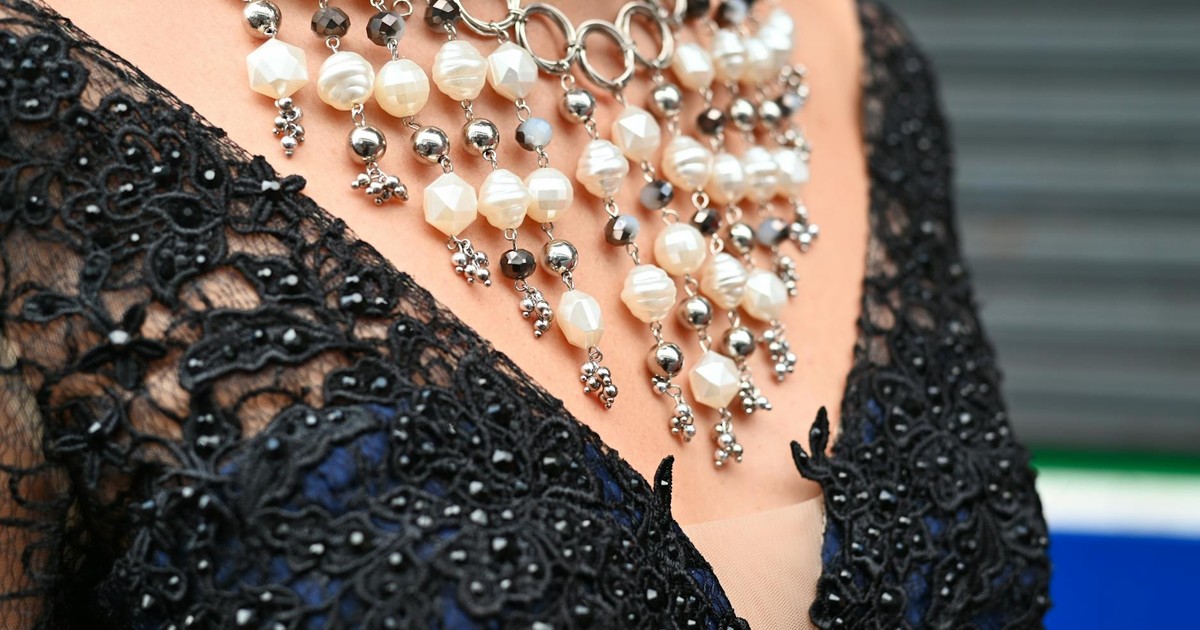
Not abundant. Not impressive. Specific. There’s a difference between a woman who piles on accessories because she bought a lot of them and isn’t sure what to do, and a woman who has one particular thing on her wrist that you can’t stop looking at. The specificity of the choice is what generates the admiration. It suggests a point of view.
The accessories that draw comments are almost never the most ostentatious ones. They’re the ones that seem personally chosen rather than generically decorative, the ones that look like they mean something to the person wearing them. An unusual ring she bought at a market somewhere, a scarf in a color nobody else would have pulled, a bag that’s been through enough to have a history. These things create a texture to a look that mass-produced, trend-chasing pieces cannot replicate, and other women sense that texture even when they can’t name it.
7. You Dress Consistently, Not Just for Occasions
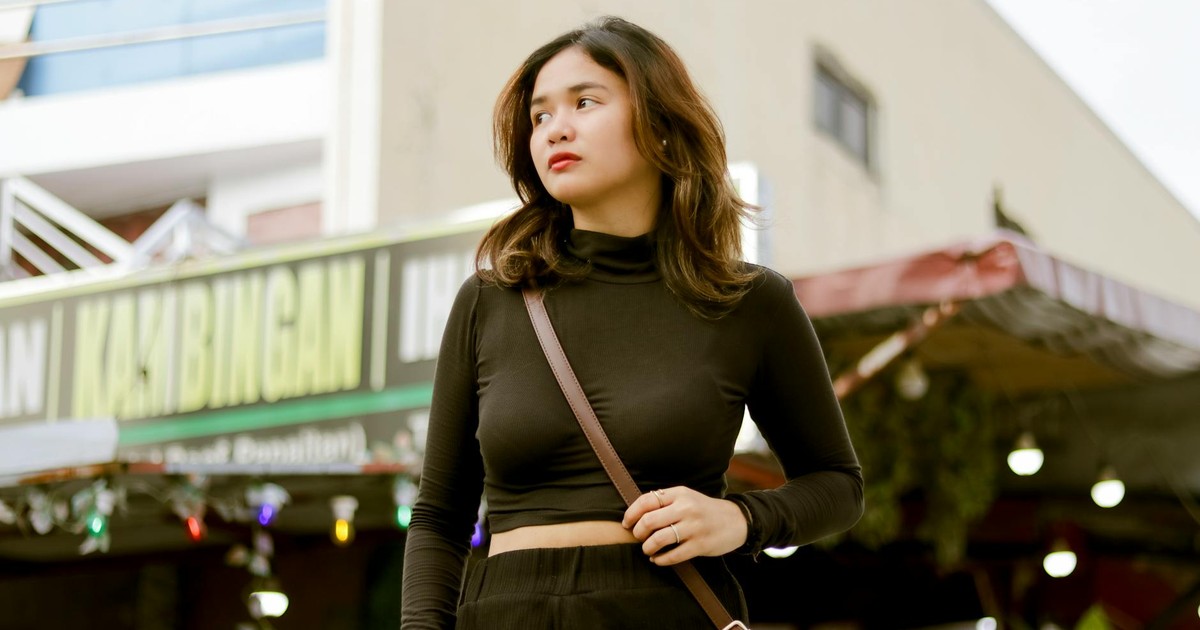
The woman whose style is genuinely admired doesn’t have an “event version” of herself that looks completely unrelated to her Tuesday afternoon self. Her version of dressed-up is recognizably her. Her version of casual is the same person in a different register. There’s a throughline, a signature, that other women begin to associate with her, and that association builds into something that reads as personal style rather than just clothes.
A consistent style is one of the clearest expressions of a settled identity. Women who dress consistently aren’t doing it to be recognized. They’re doing it because they’ve arrived at a set of preferences that actually reflect who they are, and they’ve stopped second-guessing those preferences every time the trend cycle rotates. The side effect is that they become legible to other women in a way that generates genuine admiration.
8. You Wear Color Like You Mean It

This isn’t about wearing a lot of color. Some of the most admired women are almost entirely in neutrals. It’s about owning whatever your relationship to color happens to be, without apology and without hedging. The woman in head-to-toe cobalt who clearly loves cobalt reads as more stylish than the woman in cobalt who keeps smoothing her jacket and glancing around to check if it’s too much.
Color carries psychological weight that registers before anything else about an outfit does. As the same 2025 research-archive.org study notes, through color analysis, individuals can learn to identify colors that will enhance their natural features and cause different emotional reactions. The women who are most admired for their use of color aren’t necessarily wearing the most surprising shades. They’re wearing the ones that belong to them, in a way that makes it obvious they chose this intentionally rather than defaulting to it because it was on the rack in their size. That conviction makes the color read differently than it would on someone less certain.
9. You’ve Stopped Chasing Every Trend

This one reads as counterintuitive until you think about what trend-chasing actually communicates. A wardrobe built entirely around whatever the algorithm surfaced this season tells the observer that the person wearing it is still looking outward for instruction about who she is and what she wants. That’s not a criticism. Most of us spent years doing it. But the women whose style generates lasting admiration are the ones who have developed enough of an internal compass that they can pick up a trend if it suits them, and leave it entirely alone if it doesn’t.
The visual difference between a woman who has adopted a trend because she loves it and a woman who adopted it because it was everywhere is harder to pin down but completely real. It lives in proportion, in how she pairs it, in whether the trend looks like it belongs to her wardrobe or like a visitor from someone else’s. Other women read this difference. They don’t always have words for it, but they know which version they’re looking at.
10. Your Grooming Is Part of the Look, Not an Afterthought
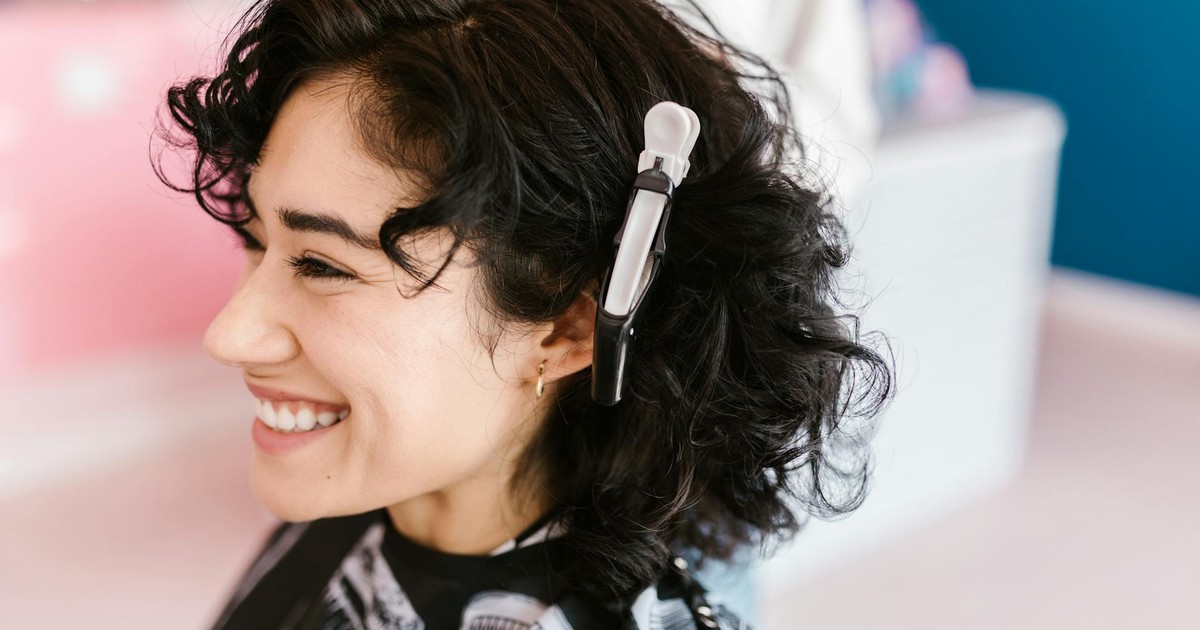
Style doesn’t end at the hem. The women whose overall presentation generates admiration have almost always folded grooming into their style sensibility rather than treating it as a separate, perfunctory category. This doesn’t mean full makeup at all times, or expensive blowouts, or anything that requires a standing appointment. It means that the level of intention present in the clothing is matched by the level of intention present in everything else within the frame.
The specific version of this looks different on everyone. For one woman it’s a nail color that recurs throughout her wardrobe’s palette. For another it’s a consistent haircut that frames her face in a way that looks thought-through. For another it’s simply clean, moisturized skin and the understanding that some days that’s the whole look. The connecting thread is that it reads as considered rather than forgotten. Other women notice when the package is coherent in this way, and they notice when it isn’t.
11. You Receive Compliments From Women Who Don’t Usually Give Them
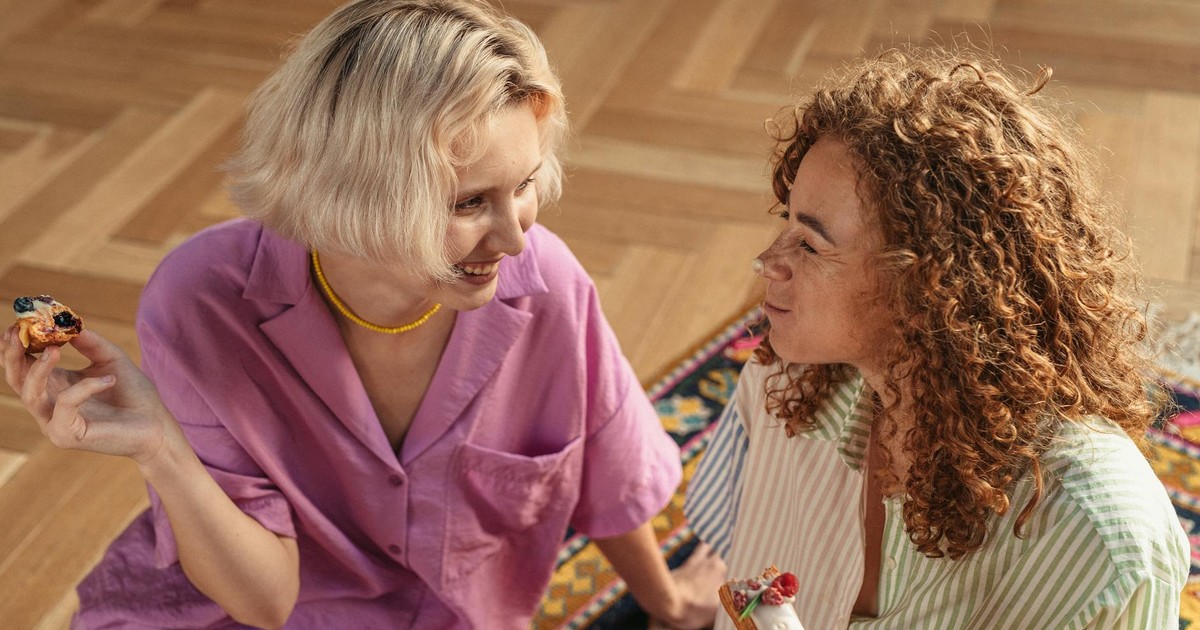
There’s a particular category of woman who rarely comments on other people’s appearance. Not because she doesn’t notice, but because she’s selective. She doesn’t volunteer observations unless she means them. When she pulls you aside and says something specific about what you’re wearing, the compliment carries a different weight than the routine ones. You know it’s real because she doesn’t say it often.
When your style consistently draws this kind of unsolicited, specific, meant-it comment from women who don’t dispense them freely, you’re operating at a level that goes beyond dressing well. You’ve developed a point of view strong enough that it commands the attention of women who are themselves considered and selective about appearance. That’s not a minor thing. The women who notice what’s worth noticing are the ones whose admiration actually means something.
12. You Look Like Yourself at Every Age
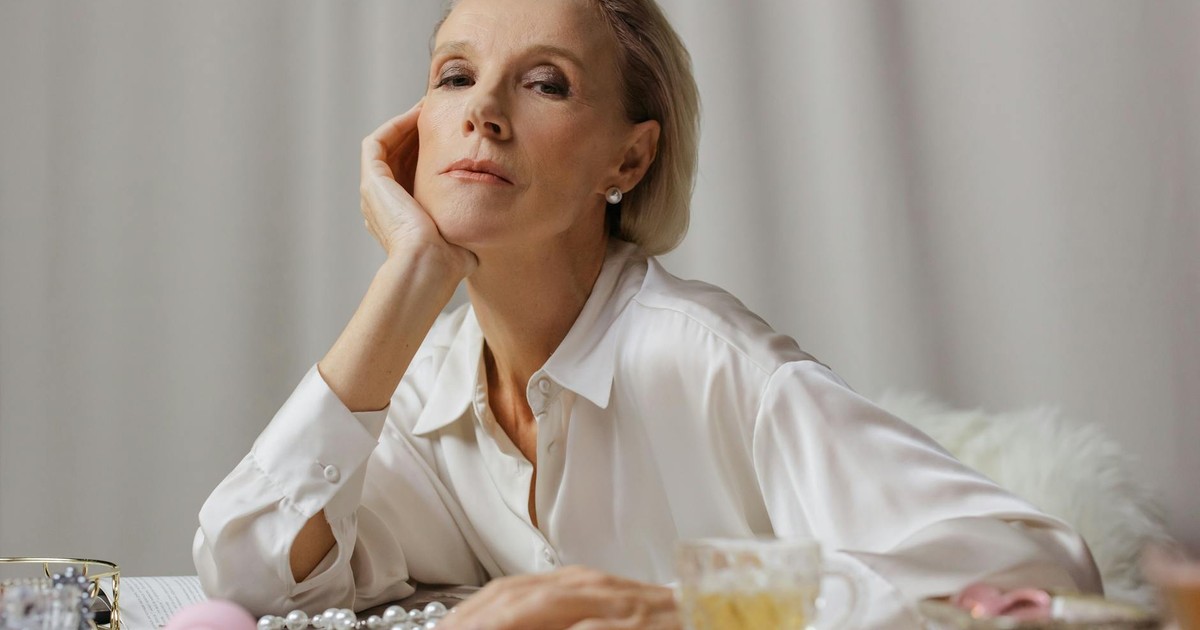
This is possibly the most underrated sign of genuine style. The women who age most beautifully into their clothes are the ones who stopped dressing for the version of themselves they used to be, and started dressing for who they actually are right now. The result is that the clothes stop looking like a costume worn to access a former life and start looking like an expression of the life being lived. Other women recognize this shift, and it generates a quality of admiration that has nothing to do with youthfulness.
Research building on enclothed cognition theory shows that wearing the right clothing can improve performance and experience even in conditions of discomfort. What applies to anxiety in a retail setting applies equally to the discomfort of navigating an aging body in a culture that has strong opinions about what that body should wear. The women who ignore those opinions and dress in a way that’s consistent with their current self, not their nostalgic self, radiate something that other women read as freedom. And freedom, it turns out, is one of the most admired things a person can wear.
13. You Make Other Women Want to Try Harder
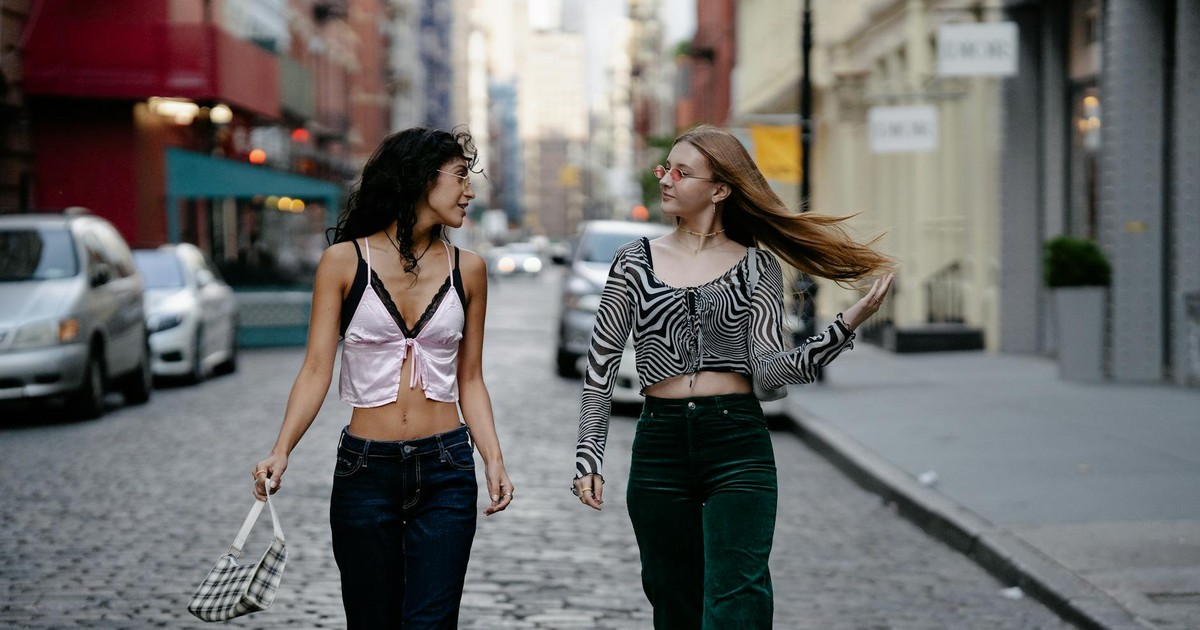
Not in a competitive way. In an aspirational one. Style envy has two distinct registers: one reads as threatening, and one reads as inspiring. The difference is in the generosity of the wearer. The woman whose style is deeply admired is usually the one who will tell you exactly where she got the bag, give you her honest opinion about the fit on the dress you’re considering, and make you feel like the information she’s sharing belongs to both of you now.
When other women leave a conversation with you wanting to think more carefully about what they put on in the morning, that’s the sign you’ve been doing this for yourself rather than for an audience. Paradoxically, the women who dress entirely for themselves, who’ve stopped performing and started just existing in their clothes, are the ones who have the most influence on how other women think about dress. The inspiration travels precisely because it doesn’t feel like a lesson. It just looks like someone who figured something out, and made it look worth figuring out.
Read More: Men’s Earrings: Symbolism Most People Miss
What This Is Really About
Personal style that other women admire isn’t a uniform, a price bracket, or a set of rules you followed correctly. It’s the accumulated evidence of a woman who has paid attention to herself, specifically to what she actually likes rather than what she’s supposed to like, and who has trusted that point of view enough to keep going back to it. The archive of those choices gets richer every year. The woman who has been building it for a decade wears it differently than the woman who started last month, not because she owns better things, but because she’s more certain.
The most honest version of these thirteen signs is that they all reduce to the same thing: you stopped asking for permission. Not loudly, not as a statement, just as a practical, daily fact. You got dressed in the morning and you trusted the instinct that said yes to this and no to that, and you kept doing it until the instinct got sharper and the choices got cleaner and at some point other women started asking where you got that. The answer, as always, is that you got it by knowing yourself. Which, as it turns out, is the only place any good style ever actually comes from.
AI Disclaimer: This article was created with the assistance of AI tools and reviewed by a human editor.