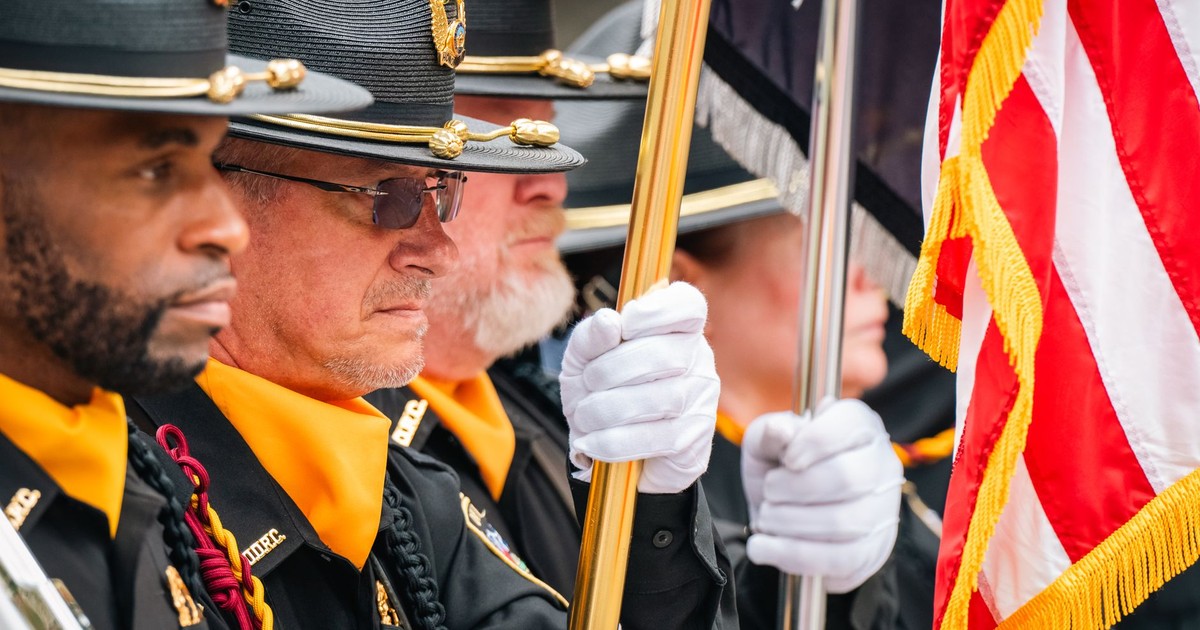

On July 22, 2026, President Donald Trump stood at the tarmac at Joint Base Andrews and told reporters that all four service members whose remains he was about to receive had personally communicated one thing to him: that Iran could not be allowed to have a nuclear weapon. The families of those soldiers were waiting at Dover. The ceremony had not yet taken place. And the president was already attributing specific political beliefs to the dead.
The Trump soldier comment backlash came fast from critics, veterans, and military family members who argued that putting words in a soldier’s mouth is its own form of disrespect, regardless of what those words are.
What Trump Actually Said
Standing at Joint Base Andrews before the flight to Delaware, Trump told reporters: “They are indeed great heroes, actually.” He then pivoted, defending the Iran war by claiming that according to ABC News, “All of them said very strongly, ‘We cannot let Iran have a nuclear weapon.'” He framed this not as speculation or sentiment, but as something the soldiers had communicated directly to him. He also called the dignified transfer ceremony “one of the hardest things to do as a president but it has to be done,” then attributed a policy position to men and women who could no longer respond to it.
The claim drew immediate scrutiny not only because it put words in the mouths of people who could not correct the record, but because those words mapped precisely onto the administration’s central justification for a war that had become deeply unpopular. No evidence was offered. No source was cited. The statement stood entirely on the president’s authority.
The Pattern That Preceded It
July 22 was not the first time. ABC News also reported that on April 1, in a primetime address, Trump spoke about two dignified transfers he had attended in March, saying of those fallen service members: “We salute them, and now we must honor them by completing the mission for which they gave their lives.” He continued: “And every single one of the people, their loved ones, said, ‘Please, sir, please, finish the job.’ Every one of them.” The language was nearly identical to what he said on the tarmac in July. The pattern was already documented. What changed on July 22 was that more people noticed.
Earlier in the week, the president had posted to Truth Social that “Every time Iran kills an American Soldier they will pay for that killing many times over!” Days later, he stood before the same fallen soldiers and told the press corps that those soldiers had agreed with everything he was doing.
The Fallen: Who They Were
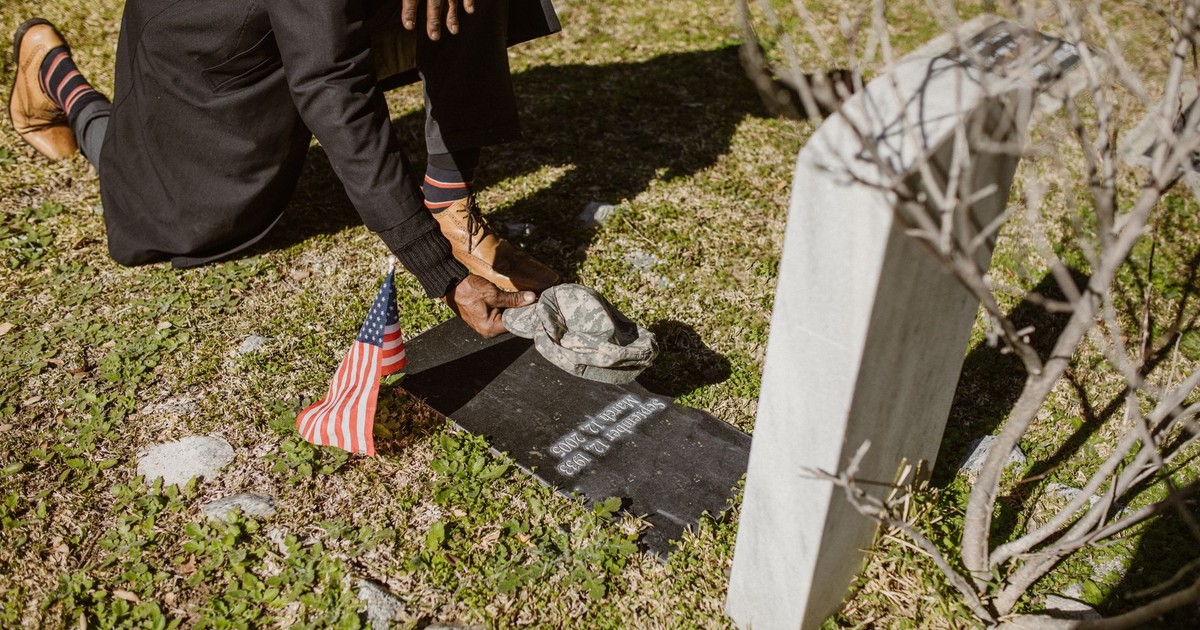
NBC News reported that the four service members honored at Dover on July 22 were Army 1st Lt. Tyler James Feehan, 25; Army Sgt. Michael Emmanuel Swinton, 30, from North Carolina; Army Sgt. Angel S. Rampersad, 28, of Ozone Park, New York; and Army Pvt. Isabella Gonzales, 19. Feehan, Rampersad, and Gonzales were killed in an Iranian missile and drone attack on a U.S. air base in Jordan on July 17. Rampersad had initially been listed as missing before officials concluded she was also killed in the attack. Swinton died separately during a controlled detonation of a downed Iranian drone in northern Iraq.
In a statement following Feehan’s death, his family said: “Our hearts are shattered. Tyler James Feehan, our son, our ‘Tivo,’ was taken from us far too soon, alongside other American heroes lost or wounded in this same tragic attack.” His parents, Shari and Steven, and his uncle David are from the Atlanta area.
The Air Force One Moment
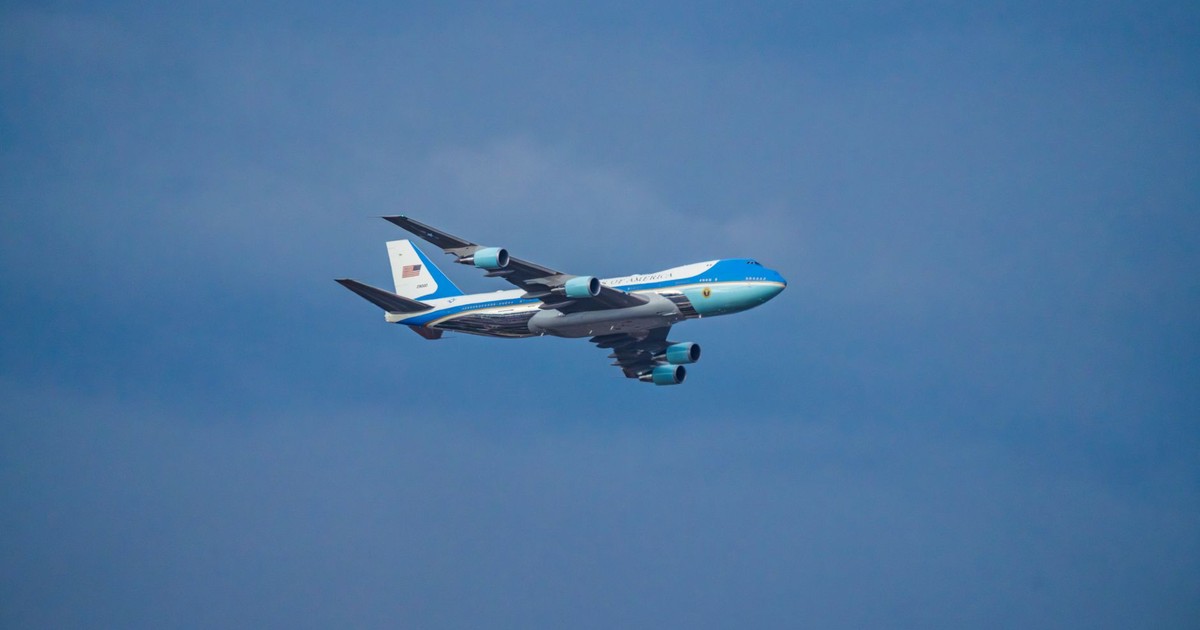
After the ceremony at Dover, Trump offered Lt. Feehan’s family a ride home on Air Force One. They traveled with the president to Dobbins Air Force Base in Marietta, Georgia, where Trump was headed for a rally at Wheeler High School. At the rally, Trump paused his speech to introduce the Feehan family to thousands of supporters, who gave them a prolonged standing ovation. Trump described Feehan as “a flawless, perfect person – beautiful, beautiful son, handsome in every way, brilliant, respected by everybody.” He said Feehan “was going to go all the way – he was going to be a general.”
The Air Force One gesture drew genuine appreciation from some supporters, who read it as a compassionate personal act from a president going out of his way for a grieving family. Others pointed to the setting: a political rally, a crowd of thousands, a man described in terms that served the story the president was already telling about the war.
The Reaction Online and in Public Life
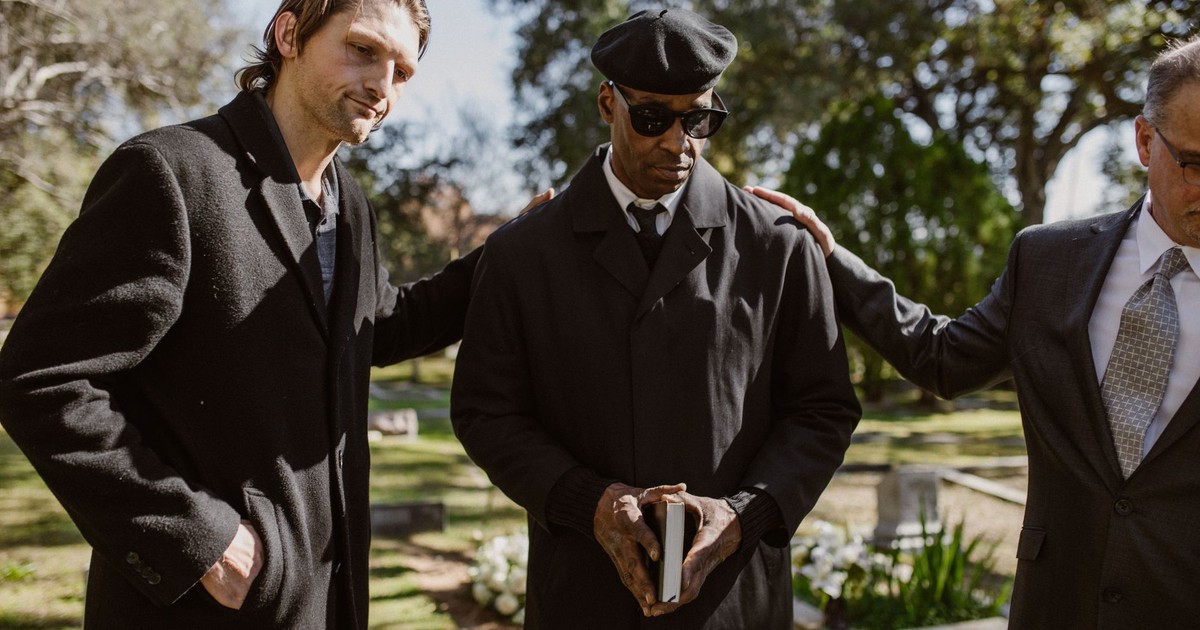
HuffPost reported that critics condemned Trump’s claim as “disgusting,” “shameful,” and “obscene,” with Trump described as “beyond repulsive” and “a very sick individual” by commenters on social media, amid poor polling on the conflict he had launched in February. Former congressman Justin Amash wrote on X: “It’s disgusting and shameful for the president of the United States to put his words in the mouths of these departed service members.” Author David Simon wrote on Bluesky that it was “the Platonic ideal of malignant narcissism to just stand there shamelessly and put words into their dead mouths.”
Other social media responses were blunter. “They didn’t ‘strongly say’ anything, they’re dead,” one user wrote. “A soldier’s sacrifice is not a campaign prop,” posted another. One commenter characterized the remarks as Trump “using their deaths as a talking point to justify a war built on debunked claims about Iran’s nuclear program.” Charles Simmons, the father of Tech. Sgt. Tyler H. Simmons, one of the soldiers whose family Trump had referenced during an earlier dignified transfer, told reporters that the political stance the president attributed to his son was “not something we talked about.”
Not everyone condemned the day’s events. Some supporters praised Trump for the Air Force One gesture and for the tribute at the Georgia rally, viewing both as evidence that the president took the human cost of the war seriously.
The Broader War Context
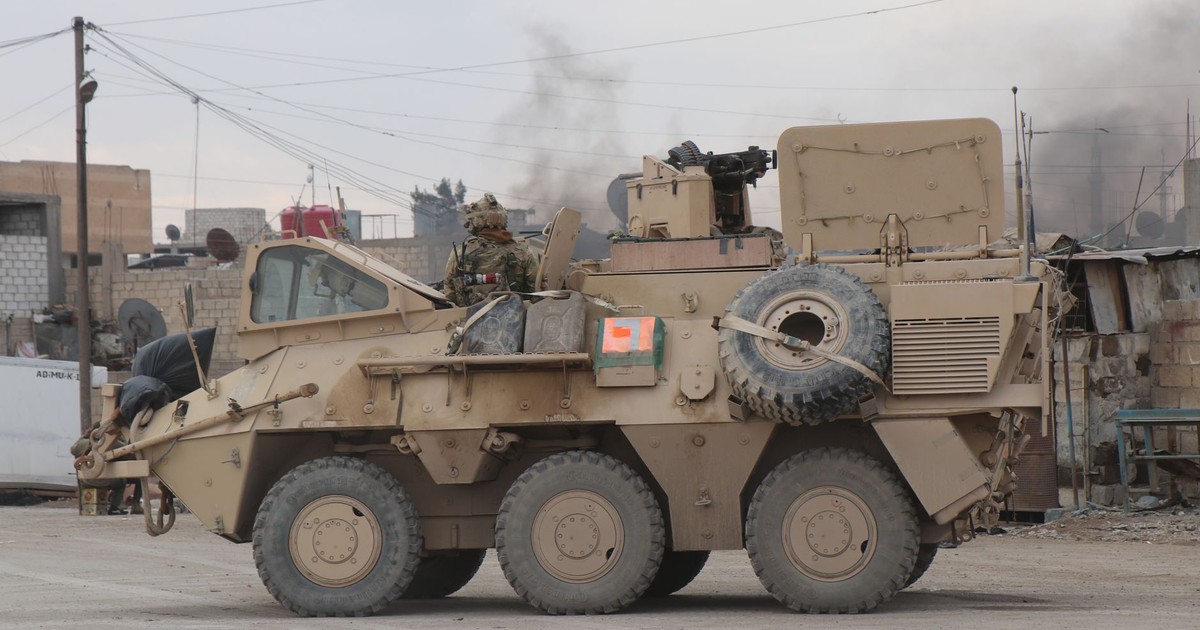
The war that produced these four deaths began on February 28, 2026, when the United States and Israel initiated coordinated airstrikes on Iran. The July 22 ceremony was Trump’s third dignified transfer since the conflict began and his first since he declared on July 8 that the ceasefire with Iran was over. According to NBC News, at least 18 U.S. service members have died in the war, which has cost tens of billions of dollars, with oil prices rising and lawmakers on both sides of the aisle questioning the administration’s strategy.
Trump, speaking without citing a specific survey, told reporters on July 22 that a recent poll showed “Americans don’t want high gasoline prices but they’re not against the war.” Recent polling had broadly suggested the opposite: that the climbing death toll and energy prices had eroded public support for the conflict.
Read More: Trump Misses Don Jr.’s Wedding: The Heartbreaking Reason Why
A Pattern, Not an Outlier
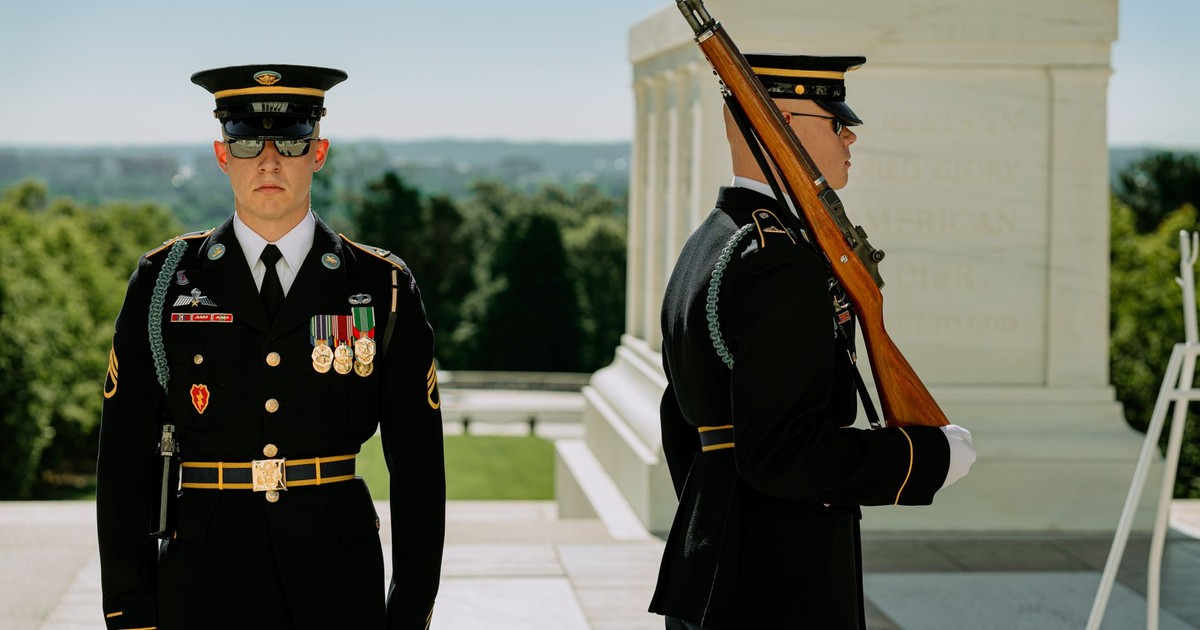
The July 22 incident did not arrive without a prior record. In 2017, Trump’s condolence call to the widow of Sgt. La David Johnson, killed in Niger, produced a weeks-long public dispute after Rep. Frederica Wilson said Trump told the widow that her husband “knew what he signed up for” — a characterization the widow confirmed publicly — and the widow separately said Trump struggled to remember her husband’s name during the call. In 2020, reporting in The Atlantic, later confirmed by multiple outlets, alleged that Trump had called fallen service members at a military cemetery in France “losers” and “suckers,” a characterization he denied. Each time, the White House pushed back. Each time, the underlying tension remained and was never fully resolved.
What made July 22 feel different to many observers was not the substance of the controversy but the timing. The statement came before the ceremony, on a tarmac, to cameras, in the minutes before boarding the plane to receive the dead. The families had not yet been in the room. The transfer cases had not yet been carried. And the president was already explaining what the soldiers had told him.
What Grief Is Not
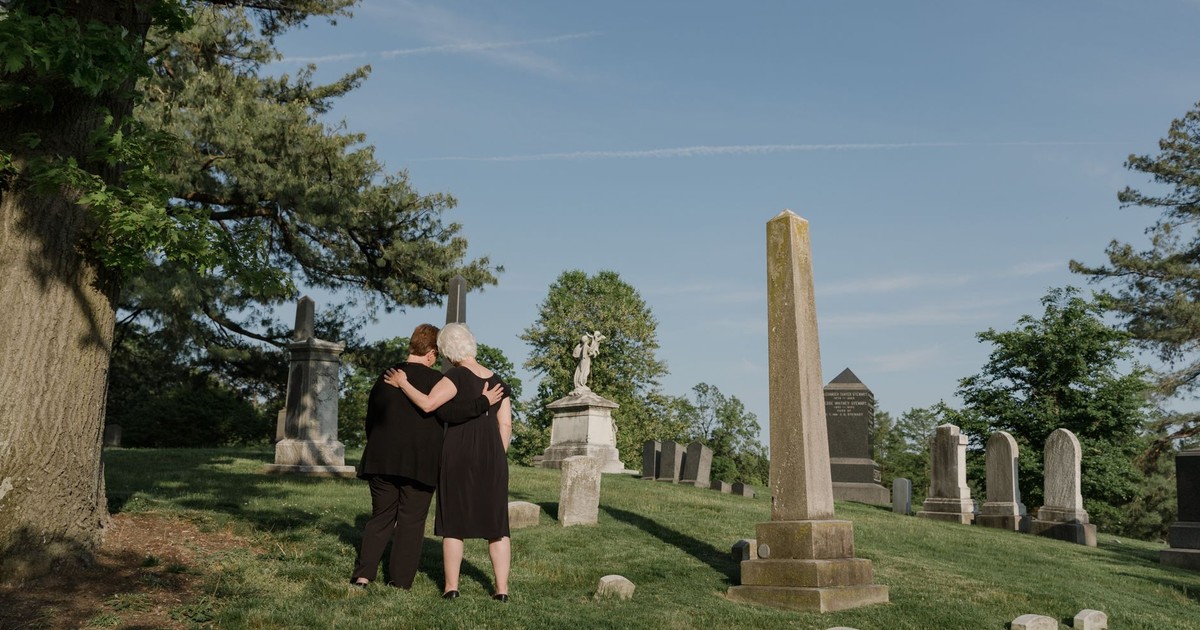
The families of these four soldiers had each absorbed the worst news of their lives in the days before July 22. They stood on the tarmac at Dover in the July heat and watched flag-draped cases carried from the belly of a military aircraft. Their grief was specific, private, and theirs. What they believed about the war, about Iran’s nuclear program, about the rightness or wrongness of the policy that sent their child or spouse or sibling into that conflict – none of that was established at a press gaggle at Joint Base Andrews.
Families of the fallen do not speak with one voice. They never have. Some of the soldiers who have died in the Iran war came from communities that broadly support the conflict; others did not. Some families have said publicly that they support the mission. Others have not said anything at all, which is also a complete and valid answer. The insistence that every fallen service member, without exception, strongly endorsed the administration’s nuclear policy does not reflect the actual range of those families’ views, and more to the point, it could not possibly reflect what those specific four soldiers said, because no one alive was in a position to verify it.
The soldiers gave their lives. That sacrifice belongs to them and to the people who loved them. It does not automatically become an argument for the policy that put them in the field, and it does not become one simply because a president says it does.
Disclaimer: This information is not intended to be a substitute for professional medical advice, diagnosis, or treatment and is for information only. Always seek the advice of your physician or another qualified health provider with any questions about your medical condition and/or current medication. Do not disregard professional medical advice or delay seeking advice or treatment because of something you have read here.
AI Disclaimer: This article was created with the assistance of AI tools and reviewed by a human editor.