

Pain doesn’t announce itself with a neat label and a clear set of instructions for what to do next. It arrives, stays longer than anyone said it would, and leaves you with the particular burden of having to figure out what comes after. The calendar never explains itself. A year in and the wound is still raw; fifteen years in and a random Tuesday can still pull the floor out. The gap between “this happened to me” and “I am someone who survived this” is not a straight line, and it is not a quick one.
The phrase “turning pain into strength” can sound like something printed on a motivational poster until you are actually in the process of doing it. Then it sounds like the hardest possible instruction. Because pain doesn’t want to be repurposed. It wants to stay exactly where it is: in the body, in the memory, in the three-second flinch every time a certain song comes on. Getting from the flinch to something that genuinely resembles strength requires specific, repeated effort, and none of it is linear.
What the Research Shows

What the research confirms, and what anyone who has come out the other side of something difficult already understands in their bones, is that recovery isn’t about erasure. The past doesn’t disappear. It integrates. The goal isn’t a clean slate; it’s a life that has room for what happened and still moves forward anyway.
These ten approaches – grounded in current research from sources including a 2025 MDPI Healthcare study on psychological interventions and resilience – won’t hand you that life. But they’ll point you toward it.
1. Acknowledge What Happened Without Minimizing It

The single most common way people stall in their own healing is by talking themselves out of the severity of what they experienced. Someone else had it worse. It was a long time ago. You should be over it by now. These are not facts. They are defenses, and they are very good at their job, which is to keep you from having to actually feel the thing you don’t want to feel.
As Mental News Today explains, trauma has lasting effects on the brain. It can become difficult to feel fully alive in the present moment. When we are not living in the moment, we are reliving the past or fearful of what might happen in the future. That isn’t a character flaw. It’s a neurological response to something that overwhelmed your system. Naming it accurately – saying “this hurt me, and it still does” – is not self-pity. It is the first honest step.
Acknowledgment creates the floor that everything else stands on. You can’t reframe something you haven’t first agreed actually exists. Sit with what happened. Let it be as bad as it was. That honesty, uncomfortable as it is, is the beginning of turning pain into something that doesn’t run your life.
2. Understand That Resilience Is a Skill, Not a Trait

One of the most damaging myths about strength is that some people have it and others don’t – that resilience is a fixed personality feature, like eye color. Some people are just built for hard things, the story goes, and you either got the gene or you didn’t. This is wrong, and it matters that it’s wrong, because it means the capacity you’re looking for isn’t hidden somewhere inside a person you’ll never be. It’s something you develop.
Resilience comprises thoughts and actions that anyone can learn to develop. By building thoughts, behaviors, and actions that support the main components of resilience, people can strengthen emotional resilience. That’s not a pep talk – it’s a structural description of how resilience actually works. It’s assembled from specific, learnable practices. Which means the fact that you don’t feel resilient right now is a starting point, not a verdict.
The practical implication here is significant. If resilience were a trait, there would be nothing to do except hope you were born with enough of it. Because it’s a skill, you can build it the same way you’d build anything else – imperfectly, inconsistently, and with results that compound as you go. The people who seem unshakeable aren’t a different species. They just started building earlier, or had more support while they were building.
3. Stop Treating Forgiveness as a Favor to Someone Else

Forgiveness is probably the most misunderstood concept in emotional recovery. It gets tangled up with ideas about absolution – with the sense that forgiving someone means saying what they did was acceptable, or that they deserve a second chance, or that you’re obligated to let them back into your life. None of that is what forgiveness actually is.
The National Domestic Violence Hotline is clear on this point: forgiveness is not declaring that what happened to you is okay, nor does it mean the harm was your fault. It doesn’t require an apology from the person who hurt you. Rather, forgiveness is the personal process of deciding to stop holding onto anger, resentment, and thoughts of revenge – for your own benefit, not theirs. That reframe changes everything. Forgiveness isn’t a gift you extend outward. It’s a weight you put down for yourself.
Holding onto unresolved anger is exhausting in a way that’s hard to fully articulate until you’ve stopped doing it. The anger can feel like protection – like the thing keeping you safe, the way a scar feels like armor. But scar tissue isn’t flexible, and neither is a life organized around resentment. Forgiveness, in its most practical form, is simply the decision to stop paying rent to someone who hurt you.
4. Let Your Body Be Part of the Process

Healing from pain is not purely a mental exercise, and treating it like one is one of the main reasons people get stuck. The body keeps a record. Stress, grief, fear, and unprocessed emotion don’t just live in thoughts – they live in the shoulders that never fully relax, the jaw that clenches at night, the way your breath goes shallow when a certain conversation starts.
A 2024 PubMed study on exercise and depression found that physical activity increases the production of endorphins – neurotransmitters associated with positive mood and well-being – while also reducing stress, improving sleep, and lowering anxiety. Movement helps metabolize the stress hormones that grief and trauma leave behind. You don’t need a gym membership or a training plan. You need to walk around the block more than you currently do, sleep more consistently than you currently do, and eat food that actually does something for you rather than just filling the time.
Yoga, tai chi, and similar practices have the added dimension of combining physical movement with intentional attention to the body, which can be particularly useful when what you’re trying to process is stored physically as much as emotionally. The route to your mind sometimes runs through your feet.
5. Interrupt the Rumination Cycle

There’s a specific kind of mental suffering that comes not from the original painful event but from replaying it on a loop – the mental rehearsal of every conversation that went wrong, every choice you wish you could unmake, every moment where something different could have happened. It’s exhausting and it accomplishes nothing, and yet it can become so automatic that you barely notice you’re doing it.
Mental Health America notes that things that happened in our past can have a lasting effect on our mental health, and when thoughts, feelings, or behaviors interfere with daily life, it’s possible that trauma has contributed to conditions like PTSD, anxiety, or depression. Rumination – the tendency to think excessively about the same things – is a common thread across those conditions, and it may make it more difficult to problem-solve, which keeps people stuck.
Interrupting this cycle is less about willpower and more about pattern recognition. The moment you notice you are replaying rather than thinking, you can redirect – physically change what you’re doing, write the thought down and close the notebook, call someone. None of these are permanent fixes. But each interruption creates a small gap in the habit, and the habit, once interrupted enough times, starts to lose its grip. The goal isn’t to stop having difficult thoughts. It’s to stop letting them run on autoplay.
6. Rewrite the Story You Tell About What Happened

The events of your life are fixed. The meaning you assign them is not. This is the part that people often resist, because reinterpreting what happened can feel like minimizing it, or like letting someone off the hook, or like lying to yourself. It’s none of those things. It’s the difference between a story that ends with you as someone things happened to and a story that includes who you became because of it.
Research published in 2025 on PubMed confirms that post-traumatic growth (PTG) – positive psychological adaptation following exposure to trauma – promotes resilience and is a measurable protective outcome. This isn’t a guarantee that trauma leads to growth automatically, for everyone. But it does mean that how people narrate their own difficult experiences is one of the strongest predictors of whether growth eventually follows. The people who integrate their pain rather than just surviving it tend to be the ones who found a way to tell the story that includes, eventually, what they learned. Not what they deserved, and not what it proves about them. What they learned.
That narrative shift takes time and usually benefits from being done out loud, in conversation or in writing, rather than kept as private thought. The story changes as you tell it. That’s the point.
7. Build – or Rebuild – Your Support Network

Isolation and pain make each other worse. This is not a revolutionary observation, but it is one that gets ignored constantly, because pain makes isolation feel safer. When you’re hurting, the instinct to pull away from people is nearly universal, and yet the research on recovery is equally universal in its conclusion: connection is not optional.
When people lack supportive relationships and community ties, they often experience heightened feelings of loneliness and despair. Connection with others is vital for emotional strength. The quality of those connections matters as much as the quantity. One person who actually listens is worth more than a dozen people you perform okayness for. If the relationships you currently have don’t include someone who can hold difficult things with you, that gap is worth addressing directly – not just waiting for it to fill itself.
Support also doesn’t have to come only from people who already know you. Peer support groups, both in person and online, bring together people who have been through similar experiences, and the particular relief of feeling understood by someone who has genuinely been there is something casual friendship rarely replicates. The emotional load of being a mother and a person with a history is real, and it doesn’t have to be carried alone.
8. Practice Self-Compassion as Rigorously as You’d Practice Anything Else

Most people are genuinely kinder to strangers than to themselves. A friend going through what you’ve been through would receive your patience, your warmth, the benefit of the doubt. You would not tell her she should be over it by now, that she’s handling it badly, that she needs to stop being so sensitive. And yet that is exactly what the internal monologue sounds like, more often than not.
Trauma often leaves people blaming themselves. Guilt, shame, and anger turned inward are common responses. Self-compassion means speaking to yourself with patience and care, the same way you’d speak to a close friend. Remind yourself that what happened to you was not your fault.
Self-compassion is not the same as self-indulgence. It doesn’t mean avoiding accountability or refusing to examine your own role in things. It means holding that examination without punishment. There is a version of honest self-reflection that is cruel and a version that is kind, and only one of those actually leads anywhere worth going. Getting it wrong does not make you weak. Beating yourself up for getting it wrong is just getting it wrong twice.
9. Use Mindfulness to Stay Present Instead of Anchored to the Past

Mindfulness has been so thoroughly absorbed into wellness marketing that it can be hard to remember it’s also a practical, research-supported technique for working with difficult emotions. Stripped of the brand, what it describes is simple: the deliberate, repeated practice of bringing your attention back to the present moment instead of letting it live in the past or the future.
Mindfulness involves paying attention to the present moment without judgment, while meditation involves focusing your attention on a specific object or thought. Both practices can help develop a sense of calm and inner steadiness, which is especially useful when dealing with the effects of trauma. The goal isn’t to feel peaceful all the time – it’s to practice returning to the present often enough that you get better at it.
You don’t need to meditate for an hour a day for this to do anything. Even five minutes of intentional breathing, or the deliberate act of noticing five things in the room you’re sitting in, can interrupt the backward pull of traumatic memory. Each time you return to the present, you’re not just managing a symptom. You’re practicing a skill that makes the next return a little less effortful.
10. Recognize Post-Traumatic Growth as a Real Destination
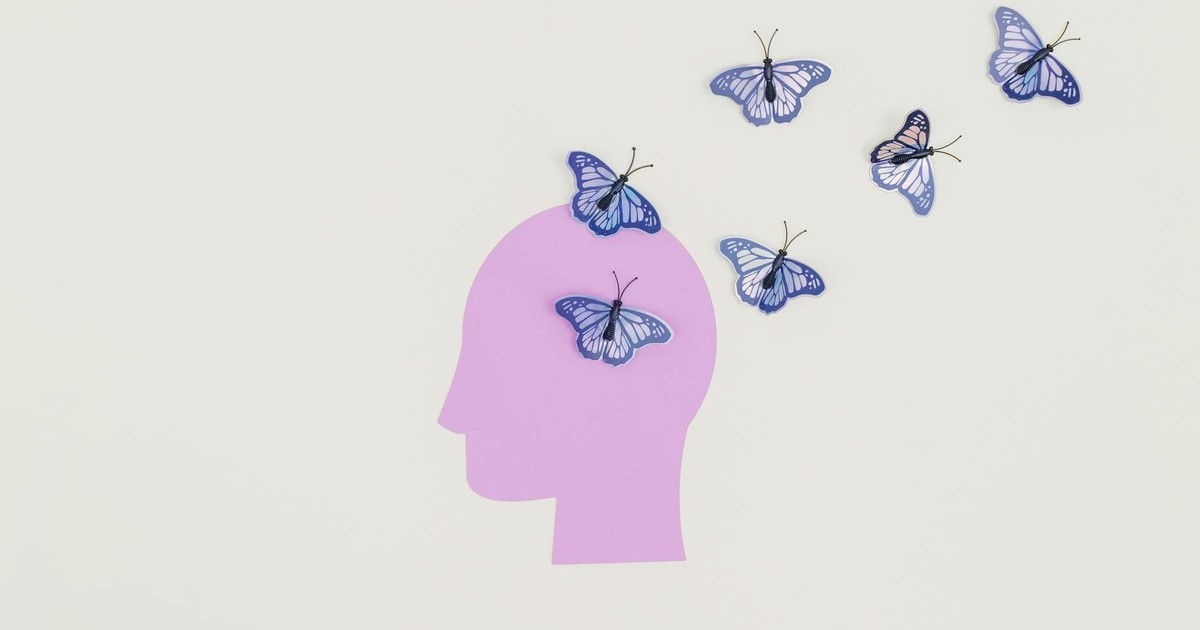
There is a concept in psychology that doesn’t get nearly enough attention outside of academic settings, and it describes something that millions of people have experienced without having a name for it. Post-traumatic growth – the documented phenomenon of positive psychological change that can emerge following a struggle with highly challenging life circumstances – is not a platitude. It is a measurable outcome that researchers study in real populations.
Resilience and post-traumatic growth are essential protective factors that contribute to sustaining mental health after exposure to traumatic events and significant psychological distress. What makes this finding broadly applicable is that the conditions enabling post-traumatic growth – strong social support, a capacity for reflection, and the presence of meaning in one’s narrative – are not unique to any particular population. They are available to most people, most of the time, if those people know to look for them.
Turning pain into strength, at its most literal, is what post-traumatic growth describes. Not the absence of pain, not the forgetting of it, but the documented reality that many people emerge from their most difficult experiences with a deeper appreciation for life, stronger relationships, new possibilities they hadn’t considered before, and a sense of personal capability that the easier parts of their lives never produced. That is not a promise. But it is a real thing that happens to real people, and the path toward it begins with exactly the practices described above.
The Part Nobody Warns You About

Here is the thing about turning pain into strength: the strength doesn’t arrive as a replacement for the pain. It arrives alongside it. You don’t cross some invisible line where the hard thing stops mattering and the growth takes over. What actually happens is more like both things being true at once. The loss was real, the wound was real, and also you are different now in ways that have made you more capable of the life you want. Those two facts coexist, permanently. The archive never gets smaller. It just gets a different kind of company.
What changes, when the process actually moves forward, is not that the past disappears. What changes is your relationship to it. It stops being something you’re hiding from and starts being something you carry with some awareness of what it weighs and what it has taught you. That is not the same as fixed. It is not the same as healed in the final, closed-file sense. But it is genuinely different from where you started – and different, here, is the whole point.
Disclaimer: This information is not intended to be a substitute for professional medical advice, diagnosis, or treatment and is for information only. Always seek the advice of your physician or another qualified health provider with any questions about your medical condition and/or current medication. Do not disregard professional medical advice or delay seeking advice or treatment because of something you have read here.
AI Disclaimer: This article was created with the assistance of AI tools and reviewed by a human editor.