

Loving someone more than they love you back is not a personality flaw. Research on college and high school students by Bringle and colleagues found unrequited love occurs four times more often than equal love — which means the woman reading this is in very large company, whether she knows it or not. The problem is not that it happens. The problem is the specific set of behaviors that keep it happening, in the same shape, with different people, year after year.
At its core, unrequited love is an emotional imbalance, and the psychological toll of such one-sided relationships goes far beyond disappointment. A 2024 Forbes report on SAGE Open research found that while unrequited love may lack the intensity of reciprocated love when it comes to passion and commitment, it generates far more distress and turmoil. That combination – less love coming in, more chaos than you’d get from a healthy relationship – is exactly what makes these patterns so exhausting and so hard to identify from the inside. You’re not getting enough, and you’re still wrung out by noon.
What follows are not character defects. They are learned responses, usually very old ones, to a world that did not always love back reliably. Recognizing them is not the same as fixing them, but recognition is where everything starts. The unrequited love patterns below tend to cluster together – most people who fall into one will recognize at least three others.
1. They Fall for Potential, Not the Person in Front of Them

There is a particular kind of hope that attaches itself to what someone could be, rather than what they are. It is the most comfortable kind of hope, because it is never technically disproven. The person never has to fail you – they just haven’t become the version of themselves you’re waiting for yet. And in the meantime, you stay.
This pattern tends to operate on a specific logic: if I am patient enough, loving enough, understanding enough, the person will eventually arrive at the relationship I can already see. The future is vivid; the present is conveniently read as temporary. Every kind moment from the other person is filed as evidence of what’s coming. Every dismissal is filed as a bad day, a fear of intimacy, a wound that your love will eventually heal.
The emotional investment in this version of someone is real. The relationship with the actual person, though, remains one-sided, because the actual person has not agreed to be in the relationship you are having in your head. Loving potential is a way of staying emotionally connected to someone without requiring anything from them – which is precisely why the other person is often entirely comfortable with the arrangement.
2. They Mistake Intensity for Intimacy

The feeling of longing – the specific ache of wanting someone who isn’t quite yours – registers in the brain with striking force. The brain releases dopamine when we idealize someone, which makes the experience feel exciting, even if it’s not mutual. That biochemical rush is real, and it is easy to read it as evidence that this particular connection is rare, profound, or destined.
The problem is that intensity and intimacy are not the same thing. Intensity is what happens when you have access to someone only sometimes, when the relationship is ambiguous, when you’re never quite sure where you stand. Intimacy is what happens when two people choose each other consistently and without theater. Intensity can exist without the other person even being aware of it. Intimacy cannot.
People in this pattern often describe past relationships with real reciprocity as “too calm” or “boring” – and what they mean is that the dopamine hit was lower. A relationship where someone loves you reliably and without ambiguity does not produce the same neurological fireworks as one where you’re perpetually hoping. For someone whose nervous system has been trained to read uncertainty as love, the calm of actual partnership can feel like indifference.
3. They Over-Give as a Way of Earning the Relationship
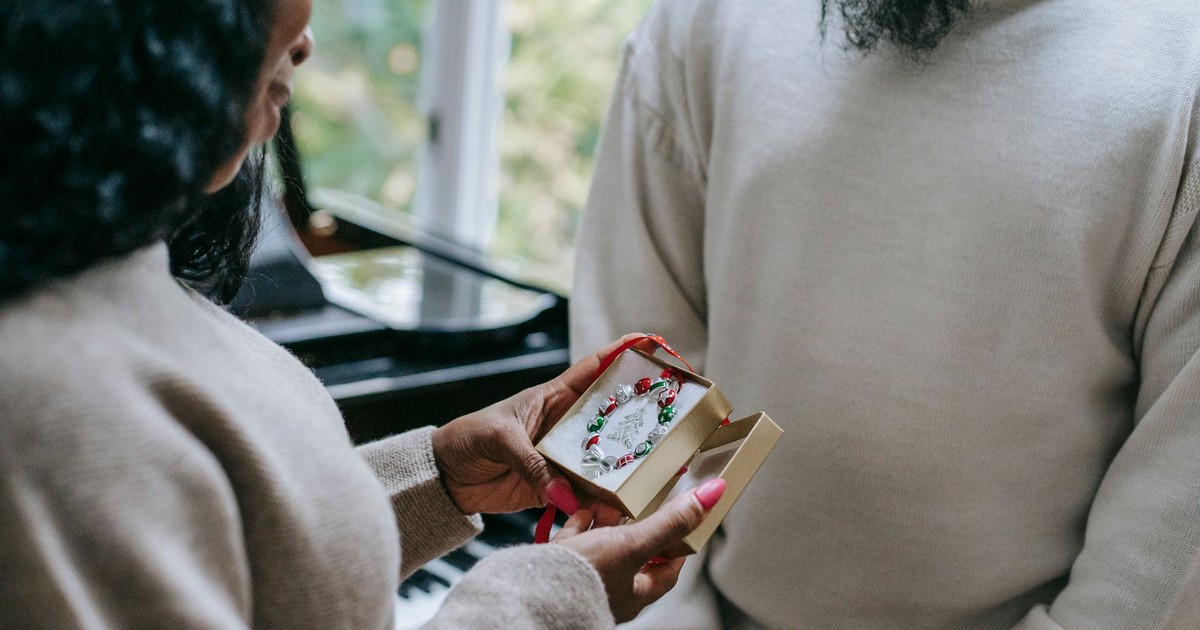
The internal logic here runs: if I give enough, it will tip the scales. Cook enough dinners, send enough thoughtful messages, remember enough small details, anticipate enough needs – and eventually the investment will be returned. This is not cynical calculation; it usually comes from a genuinely generous place. But it is also a strategy, whether or not the person using it recognizes it as one.
Children raised in environments where caregivers were unpredictable or emotionally unavailable may internalize a deep-seated fear of abandonment and rejection, according to Positive Psychology’s overview of anxious attachment. What gets carried into adulthood from that early environment is the drive to secure love actively and continuously — to perform connection rather than simply receive it. Over-giving is that drive in action.
The dynamic this creates is often invisible to the other person. They receive care that feels warm and abundant; they may not know it carries a quiet invoice. When the giving fails to produce the return – when the relationship stays lopsided despite every effort – the giver typically concludes they haven’t given enough yet, and doubles down. The relationship continues on those terms until the giver collapses under the weight of it or finally notices the account is never going to balance.
4. They Interpret Crumbs as Progress
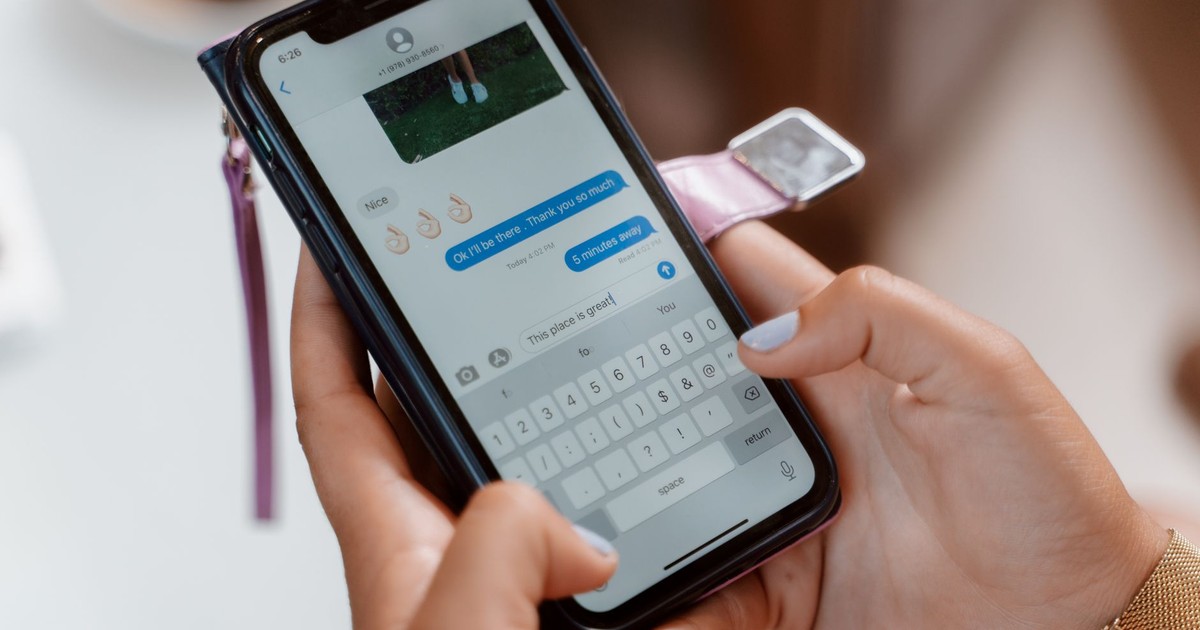
A text after two weeks of silence. A compliment that arrives unexpectedly. One long, genuinely connected conversation in a sea of surface-level exchanges. For someone caught in a one-sided dynamic, these small moments carry enormous weight. They are not read as isolated events – they are read as the relationship turning a corner.
This pattern is closely tied to intermittent reinforcement, the same behavioral principle that makes variable-reward systems so effective at sustaining attention. When affection arrives unpredictably, the nervous system responds to each instance with outsized relief and hope. The irregular schedule does not reduce the attachment; it amplifies it, because the brain is always on alert for the next signal.
The person receiving the crumbs is rarely doing so consciously. But from the outside, the pattern is visible: each small gesture resets the clock and restores hope, which means the relationship never has to develop into something more. The other person gets to be inconsistent without consequence, because even inconsistency is being read as sufficient. This is one of the most reliable ways unrequited love patterns stay in place long past any reasonable point of return.
5. They Stay Loyal to the Story of the Relationship Rather Than Its Reality

Every long-running one-sided relationship has a story attached to it – the origin, the almost-moments, the reasons it hasn’t worked out yet, the particular chemistry that makes this connection different from anything else. That story becomes something to protect, and once it is fixed in place, neutral or even negative behaviors from the other person get quietly reinterpreted to fit it.
Anxious attachment research published by the British Psychological Society found that people with anxious attachment are acutely sensitive to perceived partner commitment – reading daily interactions as evidence either that the relationship is solid or that it is failing. The result is that the same behavior from a partner can produce wildly different emotional responses depending on what story the person has already decided to believe. When the story is “this is a love that just hasn’t been fully realized yet,” neutral or even negative behaviors get reinterpreted to fit.
This pattern is especially durable because the story is usually built from real moments – real warmth, real connection, real evidence that something was there at some point. The relationship with the past version of things is often entirely genuine. What’s contested is whether that past applies to the present, and whether the other person is in the same relationship at all.
6. They Avoid Relationships Where the Love Is Equal

This is the pattern people are most reluctant to recognize, because it requires admitting that something about the imbalance feels familiar, or even comfortable. But it appears in a very specific way: the people who love them back tend to get described as too available, too eager, or somehow not exciting enough. The relationships that would actually work get quietly disqualified before they begin.
In romantic relationships, adults with an anxious attachment style often unconsciously play out their attachment traumas, influenced by deeply ingrained patterns and fears. One of those patterns is the avoidance of genuine reciprocity – not because they don’t want love, but because unconditional love can feel destabilizing when your internal model of relationships was built around earning it. A person who loves you without requiring anything from you can feel suspicious, or simply uninteresting, to someone whose nervous system was calibrated to work for connection.
What this produces is a consistent pattern where the relationships that feel most compelling are always the ones carrying the highest degree of uncertainty – and the relationships with real mutuality never quite get off the ground. The person does not choose one-sidedness consciously. They choose based on what registers as real, and for a very long time, the imbalance is what registers as real.
Read More: This One Expression May Reveal Whether a Couple Will Divorce – With a 93% Accuracy
7. They Rewrite Their Own Needs to Fit the Other Person

By the time this pattern fully arrives, there is often very little left of the original self that entered the relationship. Preferences reshape to accommodate the other person’s schedule. Social circles reform around whoever they know. Positions on things that once mattered – where to live, how to spend time, what the future looks like – soften or disappear entirely. This is described, from the inside, as flexibility. From the outside, it looks like erasure.
Staying in unrequited love can feel painful, but it can also feel safer than someone truly seeing us. This is a common pattern in people with low self-esteem – when you do not believe you are lovable as you are, making yourself smaller, more agreeable, more useful is not a sacrifice. It is a survival strategy that was formed early and has been running ever since. The rewriting of needs does not feel like loss when the person doing it already believed their needs were too much.
The cruelest part of this pattern is that it often doesn’t work. No amount of self-erasure produces the love being sought, because what the other person is encountering is not you – it is a version of you assembled entirely around their preferences. And somewhere underneath all of that accommodation, the original self is still there, still wanting things, still keeping a very long list of what has been given up. That list has a way of making itself known.
What Doesn’t Change Overnight, and What Actually Can

These seven patterns are not a diagnosis. They are a description of how perfectly intelligent, emotionally capable people end up spending years in the wrong direction – not from stupidity, but from a template so old it feels like instinct. Most of these unrequited love patterns were laid down before the person was old enough to evaluate them, in a caregiving environment that required a particular set of adaptations to stay safe and connected.
What changes is rarely the pattern itself, at least not quickly. What can change is the ability to see it while it’s happening – to notice the familiar feeling of over-investing, or of finding a genuinely reciprocal relationship disappointingly calm, and to name it as a pattern rather than a truth about the current relationship. That gap, between the familiar feeling and the automatic response, is where everything begins to look different. It is not comfortable, and it does not resolve the longing. But it is the only place where anything actually changes.
Some of these patterns go back further than the relationship that made them visible. Naming that is not a solution – but it is usually where the real conversation starts, with yourself, before it can start anywhere else. The archive of what you’ve adapted, given, and quietly set aside does not disappear the moment you recognize it. It just stops being invisible.
Disclaimer: This information is not intended to be a substitute for professional medical advice, diagnosis, or treatment and is for information only. Always seek the advice of your physician or another qualified health provider with any questions about your medical condition and/or current medication. Do not disregard professional medical advice or delay seeking advice or treatment because of something you have read here.
AI Disclaimer: This article was created with the assistance of AI tools and reviewed by a human editor.