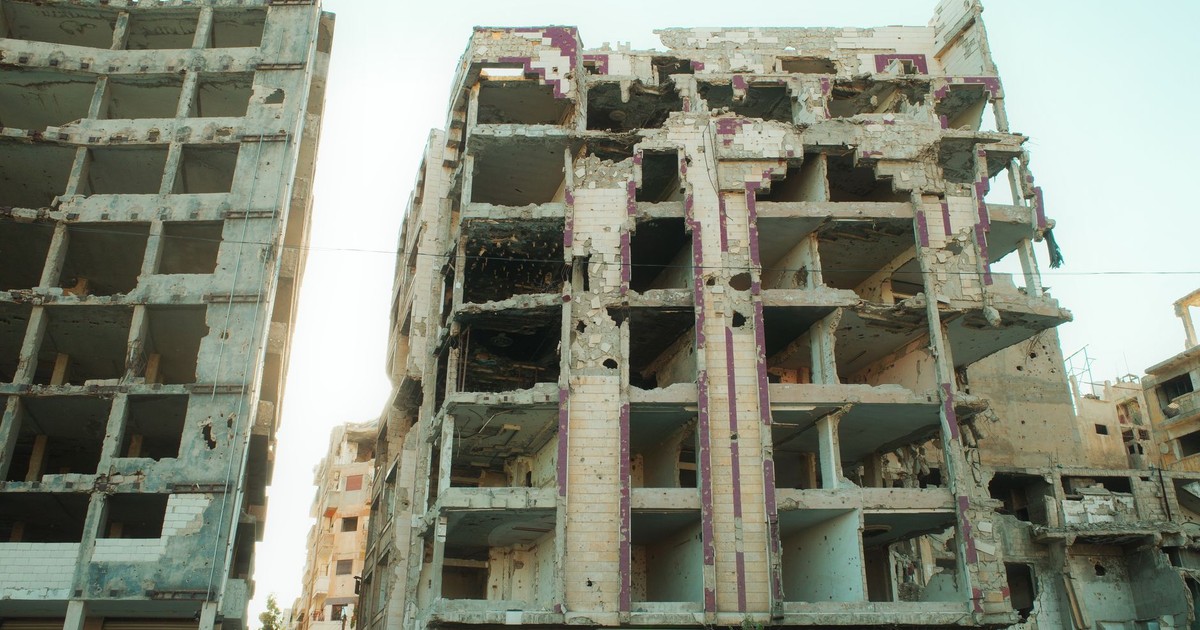

Some places on a map have stopped functioning as countries in any recognizable sense. Not dangerous in a “check the advisory” way. Dangerous in a way where there is no government, no hospital, no food, and no one is coming.
The 2025 Global Peace Index, published by the Institute for Economics and Peace, assessed countries across 23 indicators covering armed conflict, societal safety, and militarization. Global peacefulness declined again, with 87 countries becoming less peaceful and only 74 showing any improvement. The gap between the world’s safest and most unsafe countries keeps widening, and the countries at the bottom aren’t slipping quietly. They’re in freefall.
What follows isn’t a travel warning list. It’s a look at the places where ordinary life has collapsed, and at what that collapse looks like on the ground.
Russia and Ukraine: The War That Rewrote the Rankings
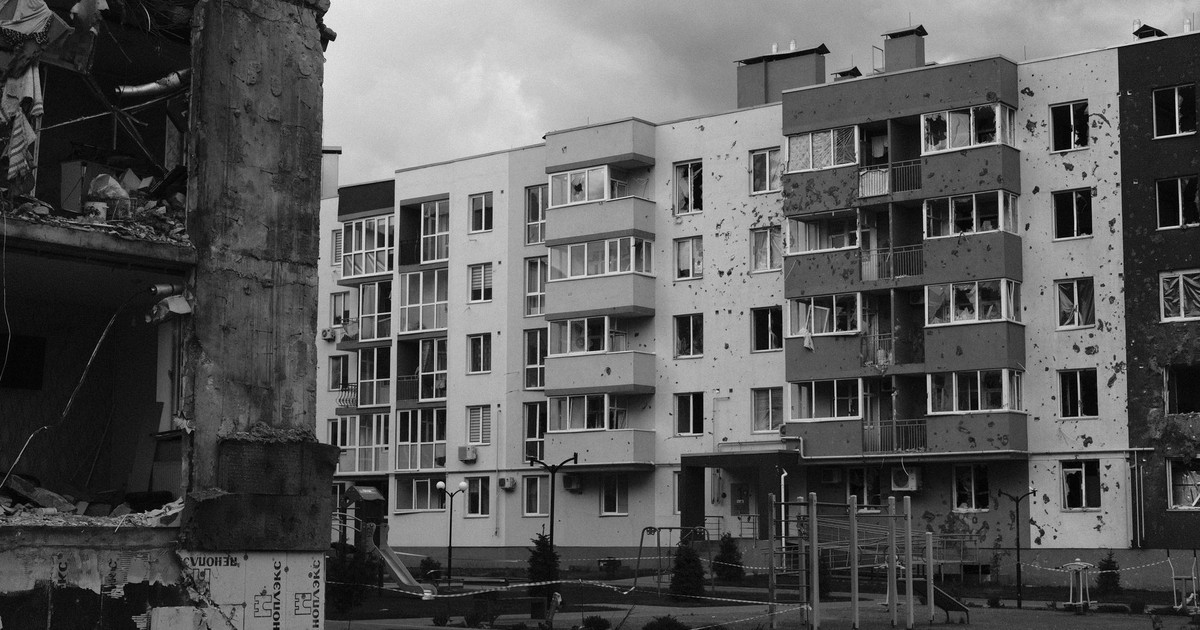
Russia ranked as the least peaceful country in the 2025 Global Peace Index, driven by ongoing war, increased military spending, geopolitical isolation, and high conflict-related fatalities. It is the first time Russia has claimed that position outright.
Ukraine ranked second. Active combat zones, damaged infrastructure, and the displacement of millions continue to shape daily life across much of the country. These are not abstract rankings. They represent tens of millions of people navigating a reality in which the next airstrike is a logistical variable rather than an unthinkable catastrophe.
As of May 2026, the U.S. Department of State maintains Level 4 “Do Not Travel” advisories for 20 countries, including both Russia and Ukraine, alongside Afghanistan, Belarus, Burkina Faso, the Central African Republic, Chad, Haiti, Iran, Iraq, Lebanon, Libya, Mali, Myanmar, Niger, North Korea, Somalia, South Sudan, Sudan, Syria, and Yemen. That is a long list, and almost every country on it has its own catastrophe underway.
Sudan: The Crisis the World Forgot
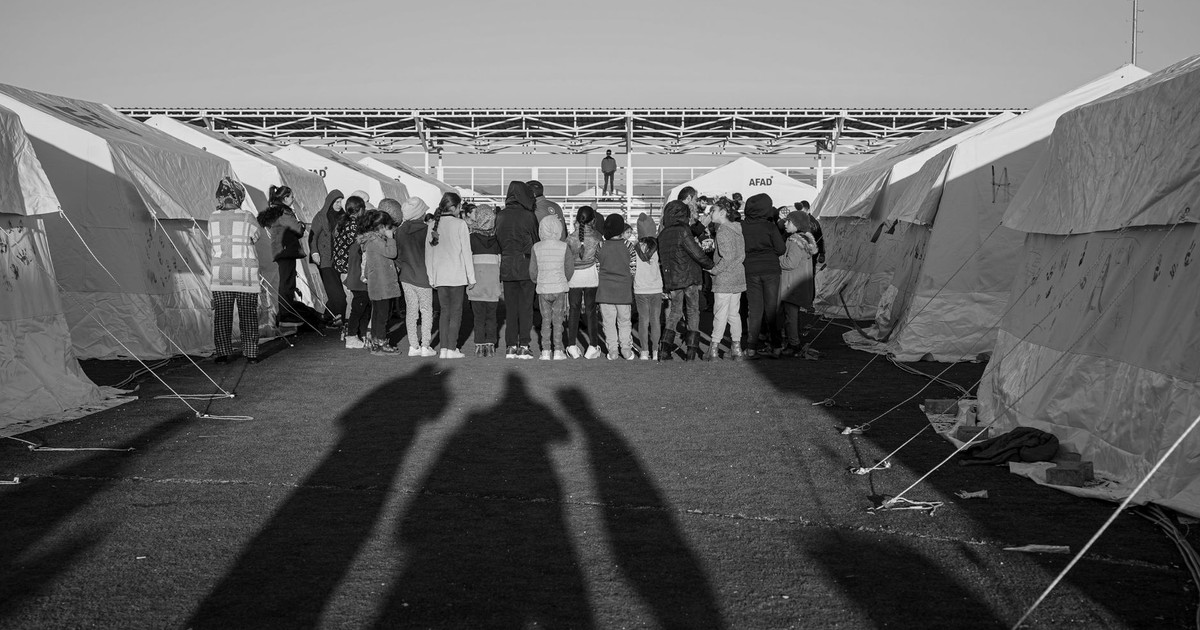
Sudan’s protracted conflict has spiraled into one of the world’s most severe humanitarian crises. Human Rights Watch documents extensive violence, mass displacement, and obstruction of aid that have compounded suffering across the country. An estimated 33.7 million people, around two-thirds of the population, are expected to need humanitarian assistance in 2026.
The war began in April 2023 as a power struggle between the Sudanese Armed Forces and the paramilitary Rapid Support Forces. El Fasher, the capital of North Darfur, was the last government stronghold in the Darfur region. The RSF laid siege to the city for 18 months, systematically weakening the population through starvation, deprivation, and confinement. When the government forces withdrew in October 2025, RSF and allied militias swept through the city, killing more than 6,000 people in just the first three days of the offensive. UN investigators subsequently concluded that the RSF’s actions in El Fasher bore “the hallmarks of genocide.”
Drone strikes killed over one thousand Sudanese civilians in the first five months of 2026 alone, reflecting a 600 percent increase in drone-related deaths compared to the 2024-2025 period. Aid workers have been killed, humanitarian convoys attacked, and food supplies looted. In North Darfur alone, nearly 85,000 children suffering from severe acute malnutrition were treated between January and November 2025, roughly one child every six minutes.
Current humanitarian funding for Sudan covers only a fraction of needed levels, leaving a crisis this large and this lethal dramatically underfunded — one of the defining tragedies of this decade.
Yemen: A Decade of War, Still No End
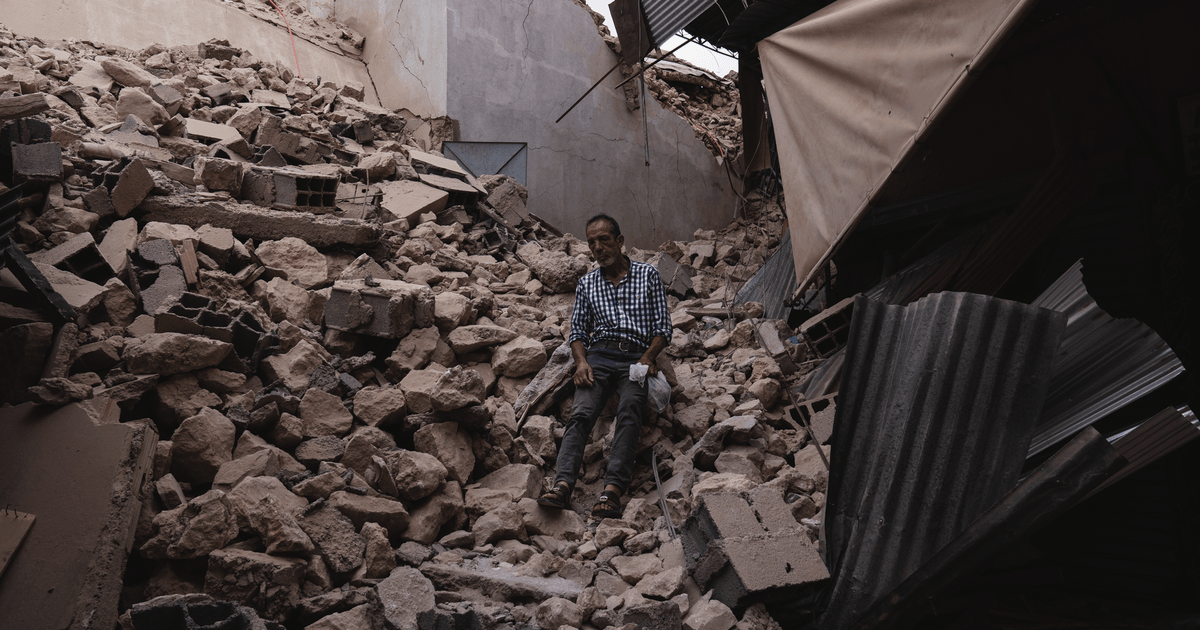
Now in its tenth year, the crisis in Yemen remains one of the world’s most complex and protracted humanitarian emergencies, driven by conflict, economic collapse, climate shocks, and the breakdown of public services. A decade is long enough that it has become background noise for most of the world. For the people inside it, the emergency has never stopped being acute.
According to UNHCR, in 2025 an estimated 19.5 million people, more than half of Yemen’s population, required humanitarian assistance, including 4.8 million internally displaced people, making Yemen the fifth-largest internal displacement crisis globally. The infrastructure that might support any recovery, hospitals, schools, roads, water systems, was dismantled by years of airstrikes and blockades.
The number of people requiring humanitarian assistance has continued to grow into 2026. The UN’s humanitarian response plan for Yemen has received only a fraction of its required funds, leaving millions without access to aid. That gap between what is needed and what arrives is not a footnote. It is the process by which people die of preventable causes in a country that has already lost more than a generation to war.
Somalia: Conflict as a Permanent Condition
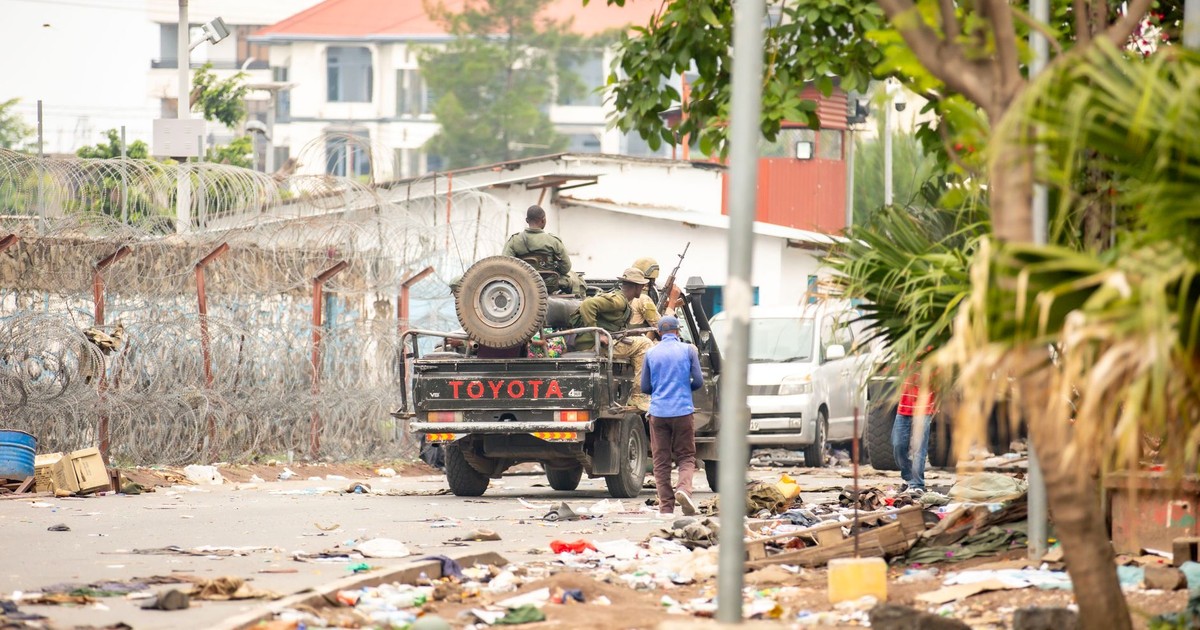
Somalia’s civil war has been running, depending on how you count it, for somewhere between 35 and 45 years. An increase in hostilities in 2022 led to a 41 percent increase in attacks on civilians, a trajectory that has not reversed.
The IOM‘s Somalia Crisis Response Plan documents millions of people in need of assistance and displaced across the country, reflecting a prolonged humanitarian emergency. The gradual withdrawal of African Union peacekeepers has created security vacuums in some areas, restricting humanitarian access and enabling extremist expansion. Al-Shabaab, the al-Qaeda-linked militant group, continues to control large portions of the country’s south and center, carrying out regular bombings and assassinations in Mogadishu and beyond.
In Somalia, where conflict, climate shocks, displacement, and disease outbreaks continue to drive a protracted Grade-3 emergency, 5 million people are expected to need health assistance in 2026. The country has been at this level of crisis for so long that international attention tends to treat it as fixed rather than urgent. It is, in every measurable sense, both.
The DRC: War Hidden Behind Mineral Wealth
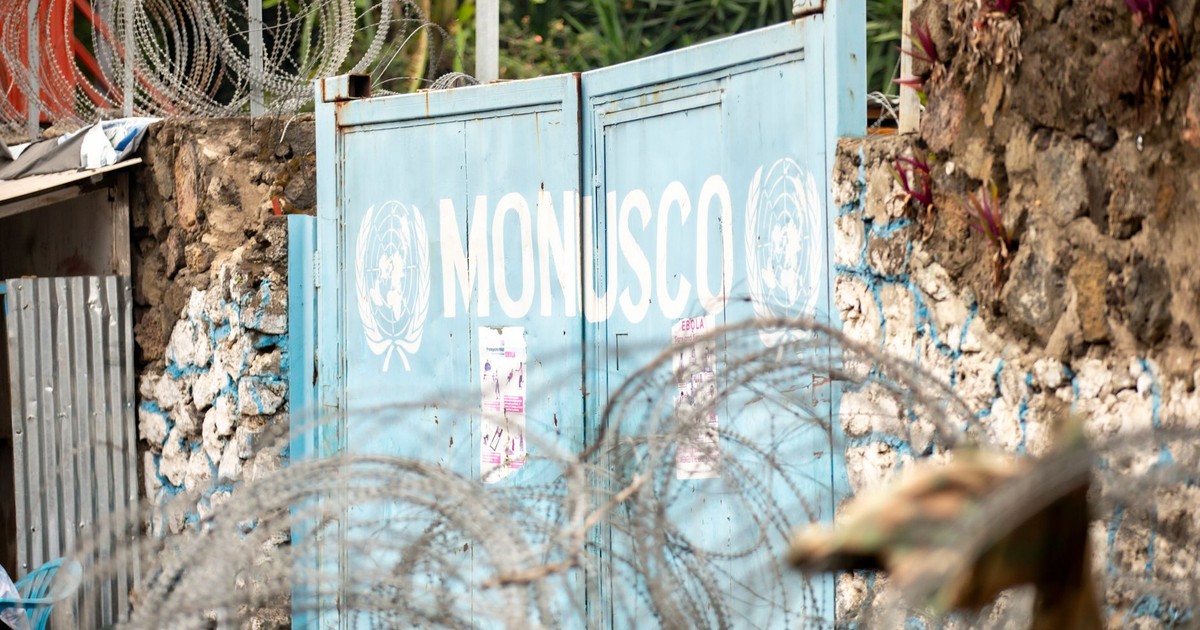
The Democratic Republic of Congo is enormous, enormously rich in natural resources, and in a state of armed conflict that has lasted for decades. The primary risk stems from active conflict with the Rwanda-backed paramilitary M23 in the northeastern Kivu provinces. M23 launched a successful offensive in 2025 that saw the group seize control of most of north and south Kivu, including the regional administrative centers of Goma and Bukavu.
Significant mineral deposits, including the world’s largest and highest-quality cobalt and coltan deposits, provide a source of wealth for armed groups that allows them to continue fighting and exacerbates corruption and smuggling issues. The eastern DRC is valuable enough that multiple parties have strong financial incentives to keep it destabilized. In many regions, armed groups operate with little restraint, making everyday life unpredictable and often unsafe for civilians. Violence, displacement, and humanitarian emergencies remain common, especially in the eastern part of the country, where fighting regularly disrupts access to food, healthcare, and security.
Haiti and the Gang State
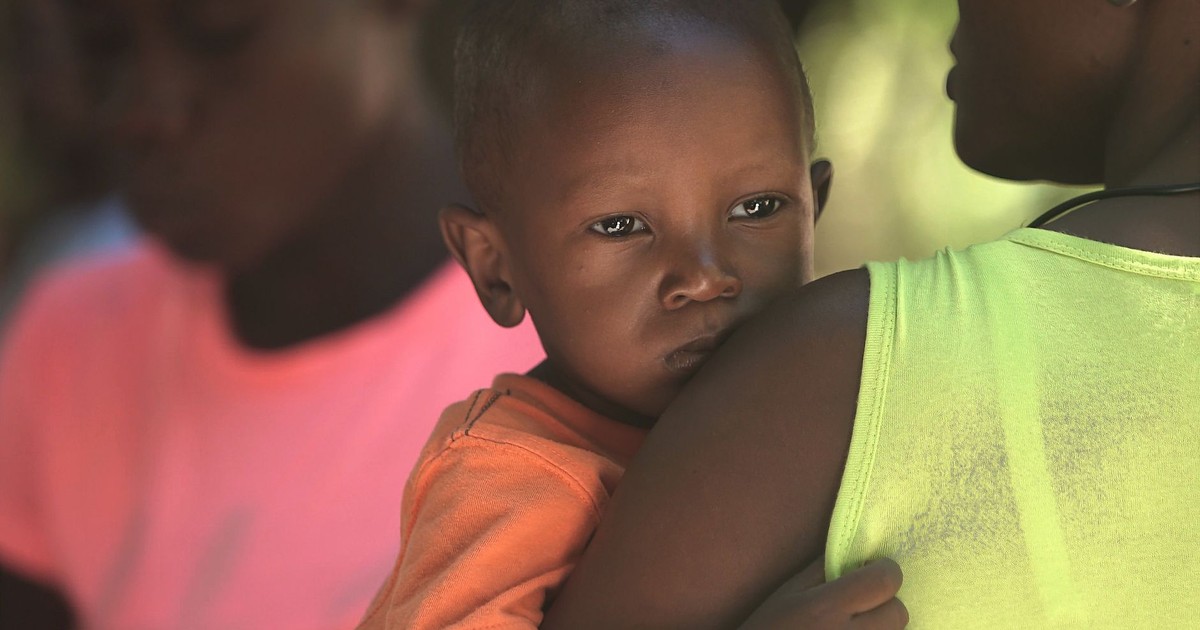
Haiti occupies a different category from the conflict zones above. There is no invading army, no civil war between organized military factions. What there is, as of 2026, is a near-complete collapse of state authority replaced by gang control.
By 2025-2026, powerful gang coalitions control an estimated 80 percent of the capital, Port-au-Prince, cutting off access to ports, hospitals, and government buildings. A Kenyan-led multinational security force arrived in 2024 but has faced significant challenges. Kidnapping for ransom is rampant and affects both foreigners and Haitian citizens alike.
Haiti’s spiral into chaos accelerated following the 2021 assassination of President Jovenel Moïse. What followed was not just political instability but the wholesale dissolution of the institutions that make a country function. Courts, police, emergency services, hospitals, all operating at minimal capacity or not at all in large parts of the country. The Numbeo Crime Index places Haiti consistently among the world’s most unsafe countries, with a score of 80.1 out of 100, driven precisely by this absence of functional governance.
Afghanistan, Myanmar, and the Ongoing Collapse of Governance
As of 2025, Afghanistan holds a Global Peace Index score of 3.448, reflecting conditions that have worsened considerably since the Taliban takeover in 2021. Women and girls have been systematically excluded from public life, education, and work. Humanitarian workers operate under extreme constraints. In Afghanistan, 10.8 million people require humanitarian aid, in a country where the de facto government has limited interest in international cooperation and the economy has effectively collapsed.
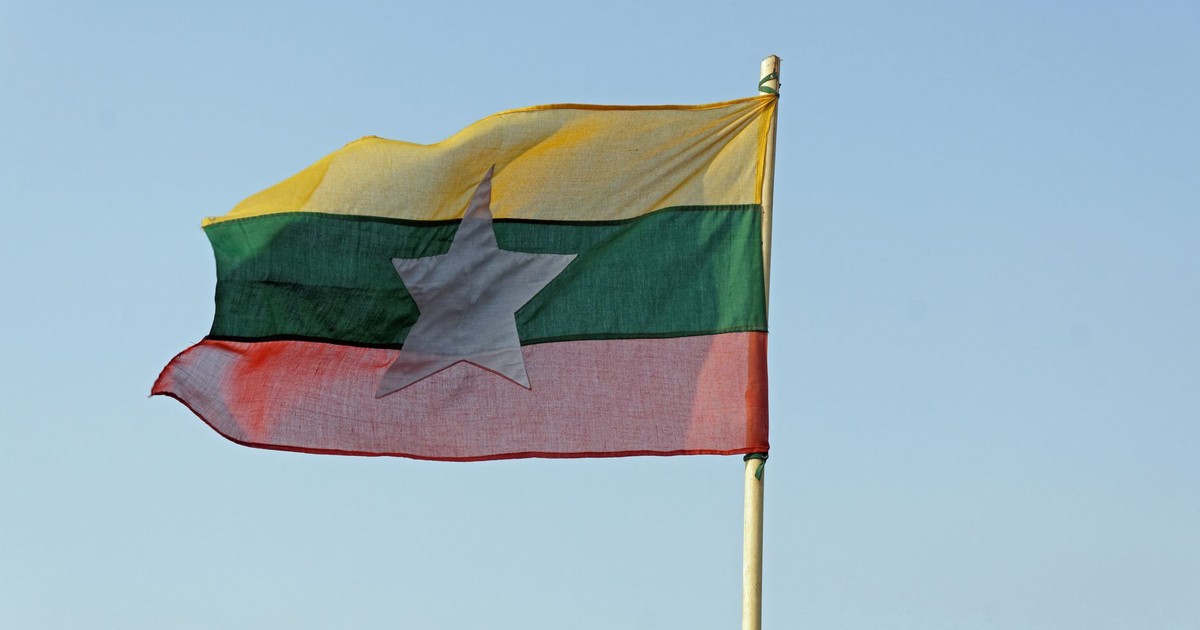
Myanmar has followed its own path to crisis. Operation 1027, launched by the Three Brotherhood Alliance in October 2023, marked a decisive turn in the country’s civil war. Rebel forces captured major towns previously considered secure, and subsequent counter-offensives and multi-front fighting kept Myanmar in the top tier of danger rankings through 2025 and into 2026. The military junta that seized power in 2021 has responded to resistance with airstrikes on civilian areas, a pattern that independent human rights monitors have documented repeatedly without being able to stop.
What the Numbers Don’t Capture
The rankings and indices that researchers use to measure global danger are useful precisely because they impose structure on something that resists it. The Global Peace Index evaluates countries using 23 indicators across safety, conflict, and militarization. In 2025, global peacefulness declined by 0.36 percent, with 87 countries becoming less peaceful and only 74 showing improvement. That 0.36 percent sounds small until you realize it represents the lived experience of hundreds of millions of people moving in the wrong direction.
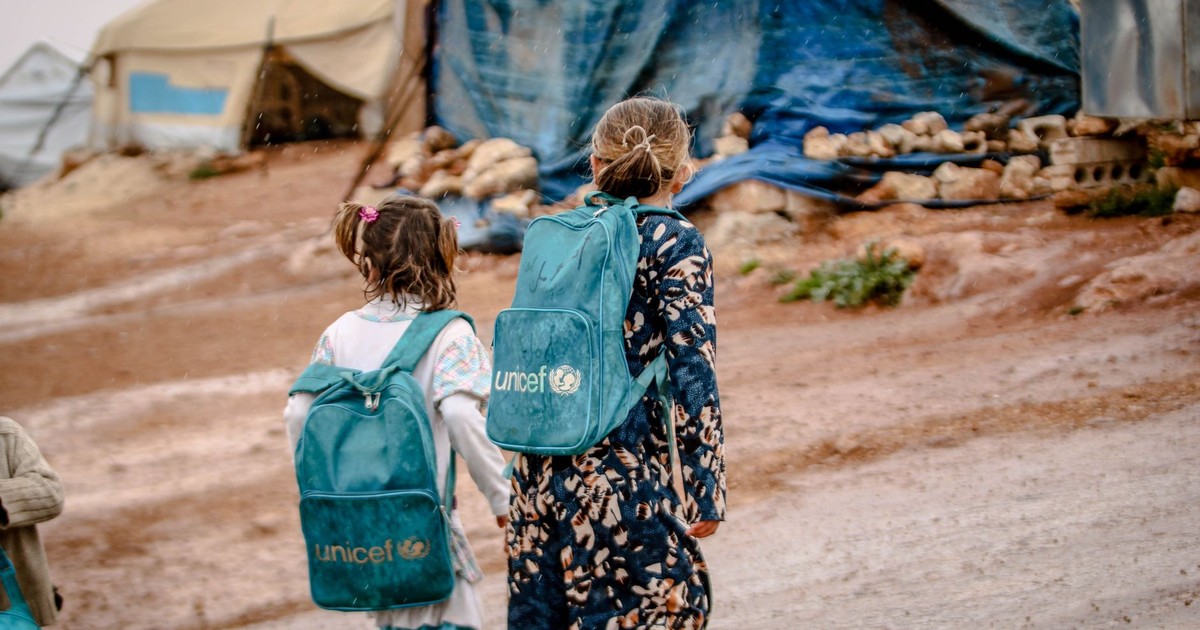
What the indices cannot fully capture is the texture of daily life in the most unsafe countries. The calculation a parent makes about whether to send a child to school when roads are controlled by armed groups. The decision a doctor makes about whether to stay at a hospital that has already been bombed once. The math a family does when there is no food, no money, and no realistic expectation that either is coming soon.
The International Rescue Committee’s annual Emergency Watchlist for 2026 identified 20 countries most at risk of worsening humanitarian crises, with Sudan, the Occupied Palestinian Territory, and South Sudan topping the list. The IRC described the situation in stark terms: civilians in these countries are on the frontlines of a disintegrating international order.
“Disintegrating international order” is the kind of phrase that sounds abstract until you map it onto a specific place. In Sudan, it looks like 150,000 dead and a famine confirmed by the UN. In Haiti, it looks like gangs running ports. In Yemen, it looks like a tenth year of war with no credible peace process in sight. The most unsafe countries in the world are not simply places where something bad happened. They are places where the systems designed to prevent bad things from happening have stopped working, and no one has yet found a way to restart them.
Disclaimer: This information is not intended to be a substitute for professional medical advice, diagnosis, or treatment and is for information only. Always seek the advice of your physician or another qualified health provider with any questions about your medical condition and/or current medication. Do not disregard professional medical advice or delay seeking advice or treatment because of something you have read here.
AI Disclaimer: This article was created with the assistance of AI tools and reviewed by a human editor.