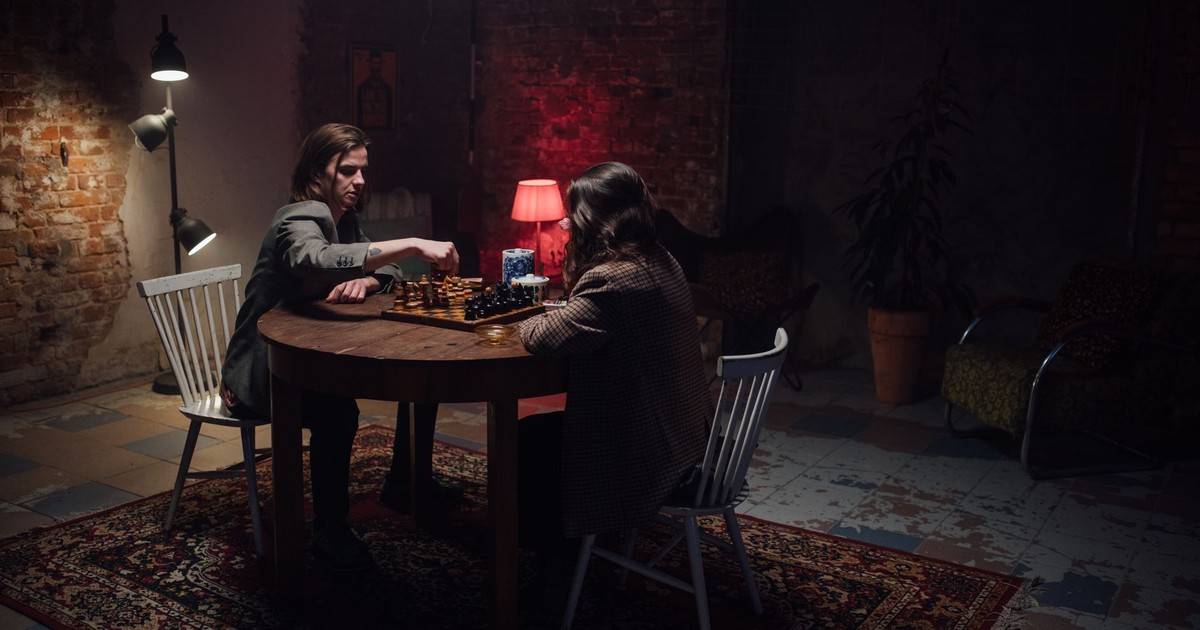

Most households have a box tucked somewhere in a closet that hasn’t moved in years. Not because the game inside stopped working, but because streaming got cheaper and evenings got busier. The global tabletop games market was valued at $19.50 billion in 2024 and is expected to reach $34.10 billion by 2030, growing at nearly 10 percent annually. Much of that growth is being pulled along by games that were already sitting in closets and at garage sales, not shiny new releases. Board game sales have grown year over year, led by retro re-releases. The vintage tabletop games that generations grew up playing, the ones with cardboard pawns and hand-drawn boards and rules you could memorize in ten minutes, are pulling people back to the table in a way that no app has quite managed.
People are tired of screens. Parents who grew up with limited TV and no tablets want their kids to put the devices down for an hour. Grandparents want something to do with grandchildren that doesn’t require explaining how to pair a controller. A board game demands undivided, shared, present attention. Collectors seeking out vintage items from earlier decades have made estate sales and attic discoveries newly exciting, and complete vintage game sets are now finding serious second lives both on shelves and on tabletops.
Here is a look at the classic vintage tabletop games that are being rediscovered right now, and why each one still earns its place on the table.
1. Chess

With origins dating back over 1,500 years, chess remains one of the most popular and enduring games in history. Sales soared after the release of Netflix’s The Queen’s Gambit, with Reader’s Digest reporting that Goliath Games revealed to the New York Times that sales of chess sets were up more than 1,000 percent shortly after the series released in 2020. That spike didn’t die down the way most trend-driven surges do. Chess clubs in schools and community centers have reported sustained interest through 2025 and 2026, and the game’s profile among younger players has shifted from “something grandpa plays” to something with genuine cultural cachet.
Chess doesn’t ask anything from you except your brain and forty-five minutes. No app required. No batteries. No question about whether you still remember the rules, because the rules are always the same. A board that cost twenty dollars in 1987 still works identically today.
Chess played across a kitchen table is a conversation as much as a competition: the long silences, the muttered deliberations, the moment one person reaches for a piece, reconsiders, and pulls back. That texture is difficult to replicate online.
2. Scrabble
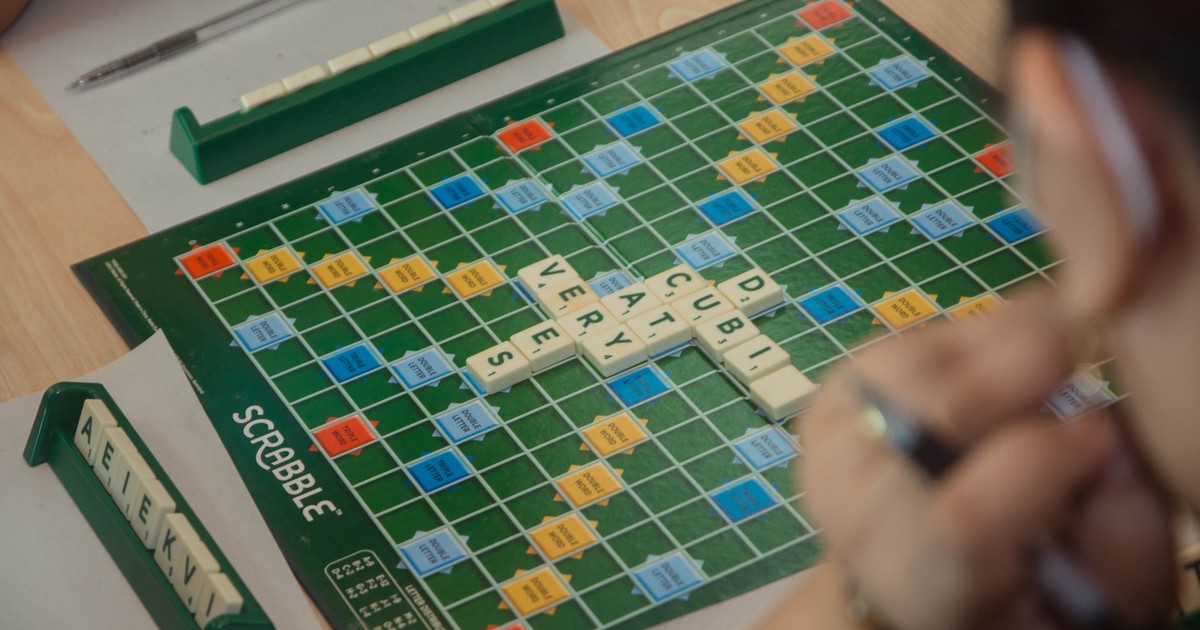
For lovers of words and language, Scrabble is the ultimate board game, with over 150 million copies sold worldwide. It was first released in 1948 and has been a fixture on bookshelves and in closets ever since, a game that, depending on who is at the table, is either a casual hour of wordplay or an extended grudge match that ends with someone looking up “qi” in the dictionary.
The Wordle era appears to have done Scrabble real favors. When daily word games became something people did on their phones every morning, the appetite for word-based play broadly increased. Scrabble sits at the more leisurely, more social end of that same instinct. From 1984 to 1990, a Scrabble-based game show ran on television. Merriam-Webster’s Official Scrabble Players Dictionary, which contains over 100,000 usable words, is now in its seventh edition and includes new words like spork, vax, and zonkey. The board evolves incrementally while remaining instantly recognizable, which is a remarkable trick for any object to pull off over eight decades.
Adults who grew up watching their parents play Scrabble come back to it for the combination of competition and conversation. The game moves slowly enough that there’s room for everything else happening at the table: the stories, the arguing, the refusal to accept that “za” is a real word.
3. Monopoly
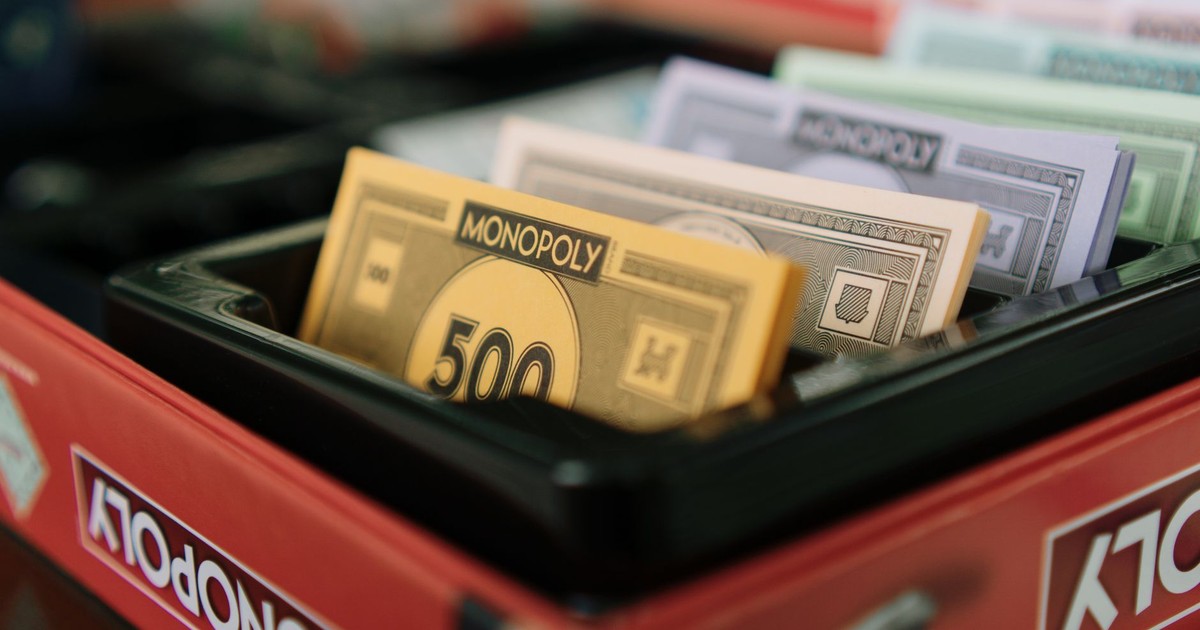
Monopoly has sold over 275 million copies globally, its mix of strategy, luck, and cutthroat property trading making it a family favorite for decades. Parker Brothers first published it in 1935, though the game’s roots trace to Elizabeth Magie’s Landlord’s Game, patented in 1904. It is also, by some measures, the most reliably argued-over object in any household that owns one. Somebody always flips the board, usually metaphorically, occasionally not. This is not a design flaw. The arguments are the point.
Renewed interest in Monopoly is being driven by nostalgia with a fresh coat of paint. Special editions, themed around everything from popular cities to beloved TV shows, have made the game feel current while keeping the core mechanics that people already know. But it’s the original versions, the ones with the worn-down paper money and the iron token that got replaced decades ago, that are commanding collector interest right now. A complete vintage set in good condition is now a legitimate find at an estate sale.
Monopoly also teaches things that no one expected it to teach when they sat down with it as a child: reading and calculating risk, understanding what it means to own something, the uncomfortable reality that luck and strategy are both real and neither is always enough. For parents who want their kids off screens for three hours without it feeling like punishment, Monopoly is a reliable solution.
4. Clue
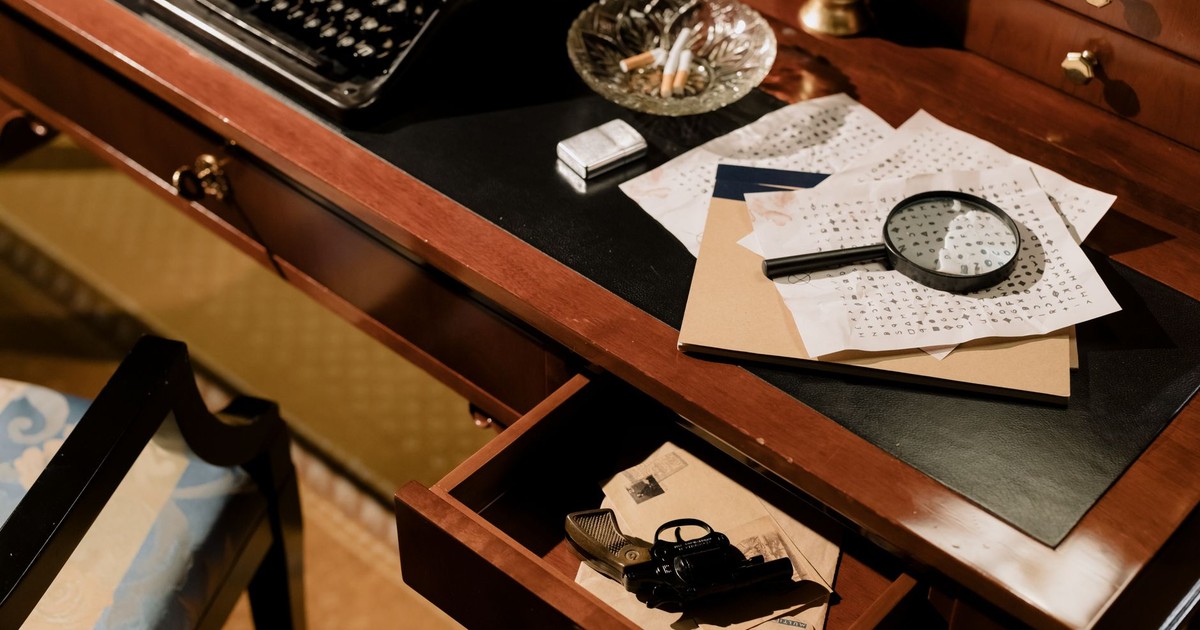
First published in 1949, Clue is the classic whodunit game where players solve a murder mystery. It is also the game that most reliably produces someone who is entirely too confident about their deductive reasoning and then gets it completely wrong. That dynamic, the overconfident detective, the quiet player who actually wins, never gets old.
Clue’s revival is partly aesthetic. The original artwork, the green billiard room, the candlestick in the library, the names like Colonel Mustard and Mrs. Peacock, all of it carries a very specific mid-century visual language that feels deliberate and warm in a way that digital games rarely manage. The game introduced deduction as a central mechanic, and the process of narrowing down clues is engaging at every level of experience, with plenty of social interaction through information sharing, misdirection, and guessing.
The 2026 version of Clue has also benefited from a broader cultural appetite for mystery: the true-crime podcast listener, the person who owns three different editions of Knives Out on Blu-ray, the book club that just finished an Agatha Christie. These are Clue’s natural constituents, and they’re rediscovering that the original board game got there first.
5. Risk
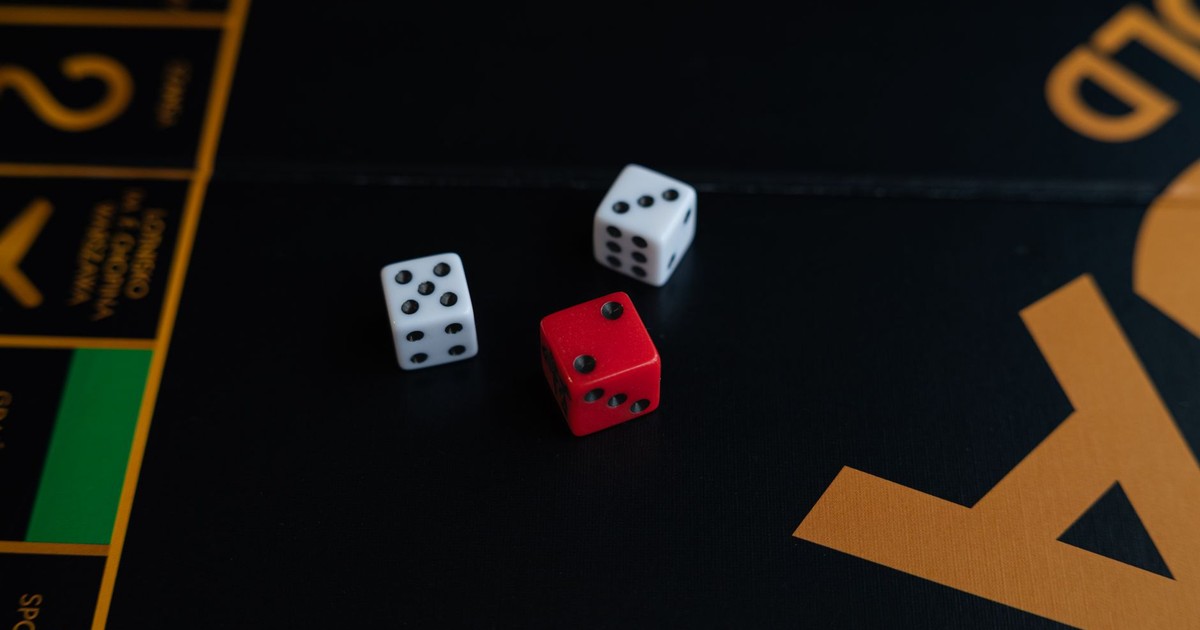
First introduced in the 1950s, Risk offers a blend of chance and strategy, captivating those who enjoy tactical games. It is a game about world domination, which sounds dramatic until you’re actually sitting there and have just lost Australia, your entire defensive position, to your teenager in three dice rolls, and then it sounds very dramatic indeed.
Risk is having a particular moment because of what it demands from players: sustained attention, long-term planning, and the willingness to sit with uncertainty for hours. None of those are things the internet is especially good at cultivating. The game runs long, sometimes much longer than anyone intended, but that length is exactly what makes an evening of Risk feel like an occasion. You don’t check your phone when you’re trying to hold Eastern Europe against a two-front invasion.
Much like Monopoly, there are plenty of variations available today, from Star Wars to Warhammer 40k editions, but the classic board with its wooden armies and color-coded continents is what collectors and nostalgic players are reaching for. The original Risk is a social experiment as much as a game: who makes alliances, who breaks them, who apologizes and who doesn’t.
6. Backgammon
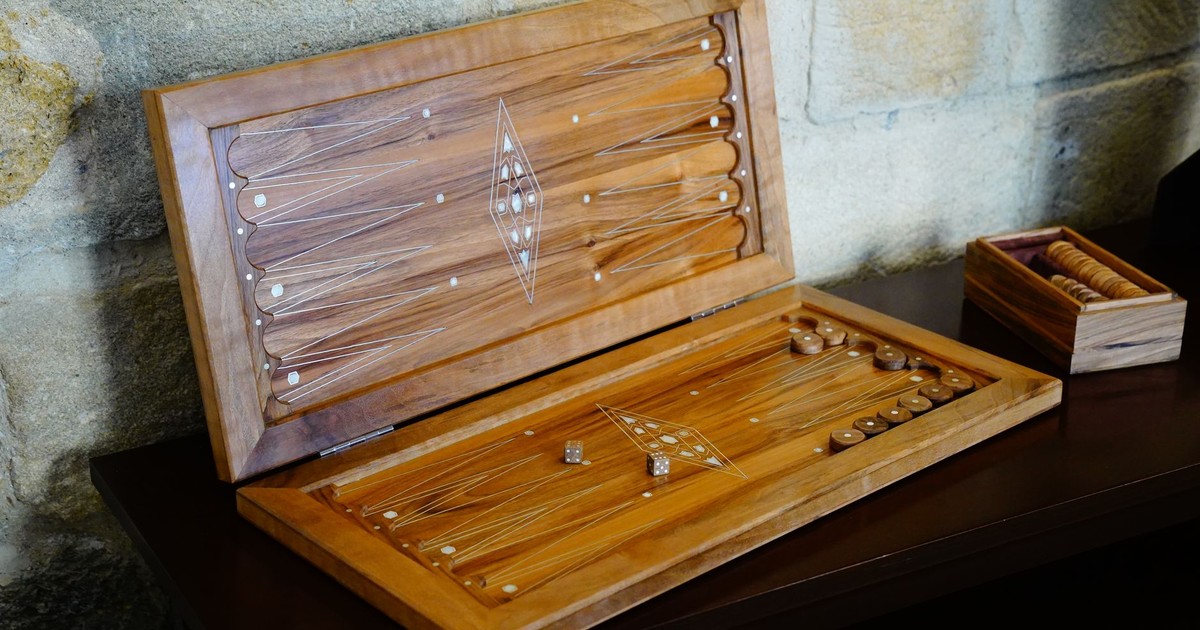
Backgammon is a board game with ancient origins still played today. If you haven’t tried it before, there’s a good chance you’ve at least seen it somewhere, played on a board divided into 24 narrow triangles called points. It is one of the oldest known board games in continuous play, with roots stretching back thousands of years across the Middle East and Mediterranean. For a long time it occupied an odd cultural space in the United States, something you might find at a summer house or a hotel common room, vaguely associated with sophistication and people who wore linen.
Backgammon has developed a younger following in recent years, driven partly by its presence in social media communities dedicated to analog games, and partly by the fact that it is genuinely one of the most elegant game designs ever conceived. The tension between dice luck and board strategy is exquisitely calibrated: you cannot fully control a backgammon game, but skill absolutely determines who comes out ahead across repeated play. That combination keeps it interesting across every level of experience.
A backgammon set is also an object of beauty in a way that not all vintage tabletop games manage. The leather cases, the inlaid wood, the satisfying weight of the checkers: these are things that look good on a shelf and feel good in your hands.
7. Checkers
Checkers is one of the world’s oldest games. Greek writers Homer and Plato mentioned this two-player game in their works. It has never really gone away, but it has also never been loudly fashionable, which might be why its current revival is so genuine and unpretentious. Parents teach it to children. Grandparents teach it to grandchildren. It passes between generations without requiring any explanation of what it is or why it matters.
Adults who dismissed checkers as too simple often discover, on returning to it, that it isn’t. The forced-capture rule changes the whole texture of the game. Positions that look innocent become traps. The player who appears to be losing may be setting up a three-move sequence that clears the board. Checkers has produced more serious competitive study than most people realize, and international draughts, the 10×10 variant played in parts of Europe and Africa, is a game of genuine depth.
For families with young children, checkers is the on-ramp to every other board game that follows. It teaches turn-taking, strategic thinking, and the basic grammar of a two-player contest in a format that a five-year-old can understand and a fifty-year-old can genuinely enjoy. That range is almost impossible to find anywhere else.
8. Trivial Pursuit

Trivial Pursuit was developed by two Canadians who were deep in the middle of a Scrabble game when the idea struck, and the resulting party game became one of the best games of its decade and remains a staple at family game nights. The original 1981 version is now a collector’s item in its own right, and the questions, which reflect the cultural knowledge of a very specific historical moment, have become part of its appeal rather than a liability.
Playing a vintage edition of Trivial Pursuit is a time capsule experience. Questions about television shows that no longer exist, political figures who have been replaced several times over, and technology that now sounds like science fiction all appear in the same deck as questions you’d still answer correctly today. That mixture of the obsolete and the eternal is oddly compelling. The game becomes a conversation about what we remember and what we’ve forgotten, which is more interesting than any single right answer.
A complete first-edition Trivial Pursuit set, with all its pie pieces and cards intact, is a genuine find. The newest editions are fine, but the original six categories, the original card design, and the original board have a visual and tactile quality that the reissues have never quite recaptured.
The Table Is Still There
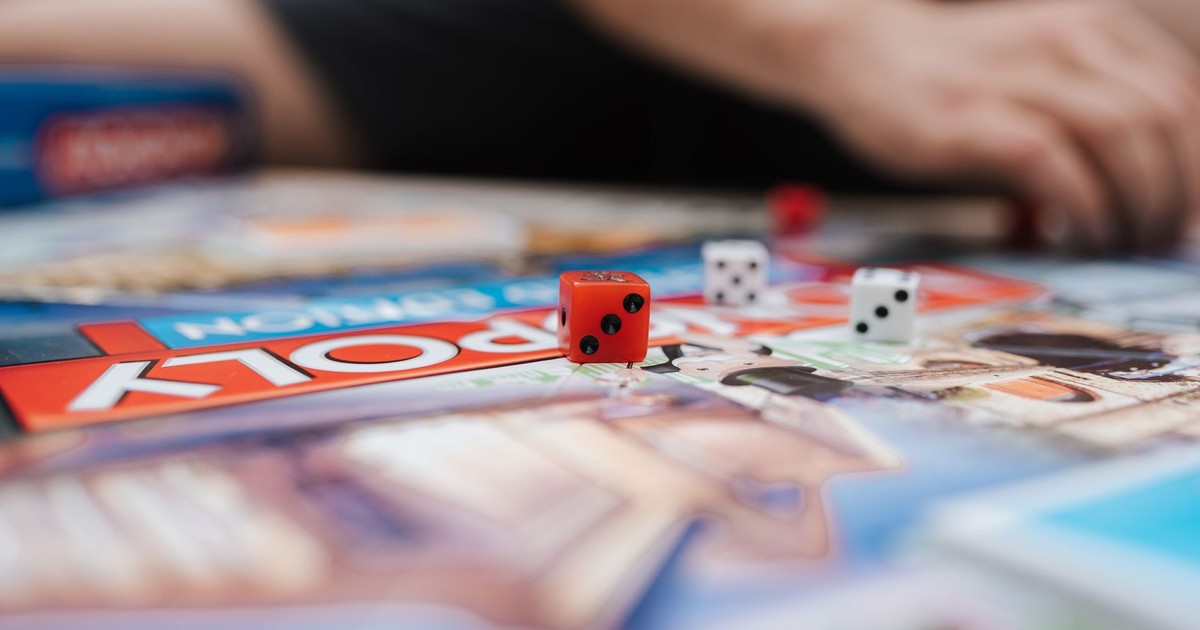
Board games are thriving because they do something almost nothing else does right now: they put everyone in the room on the same problem at the same time. The games were designed around a constraint that turns out to be a feature: they require everyone present to pay attention to the same thing simultaneously. No second screens. No checking out. The chess set your grandmother bought in 1965 plays exactly the same game as the one in a store today, and that consistency is rarer than it sounds.
The vintage tabletop games on this list all share that quality, whether they take twenty minutes or five hours to play. None of them require a subscription. None of them update overnight and change the rules. The box in the closet is probably still there. It probably still has all its pieces, or close enough. And whatever is missing can usually be improvised with a salt shaker or a bottle cap. Some of the best evenings start with a battered cardboard box and end with the realization that you haven’t looked at your phone in three hours.
Disclaimer: This information is not intended to be a substitute for professional medical advice, diagnosis, or treatment and is for information only. Always seek the advice of your physician or another qualified health provider with any questions about your medical condition and/or current medication. Do not disregard professional medical advice or delay seeking advice or treatment because of something you have read here.
AI Disclaimer: This article was created with the assistance of AI tools and reviewed by a human editor.