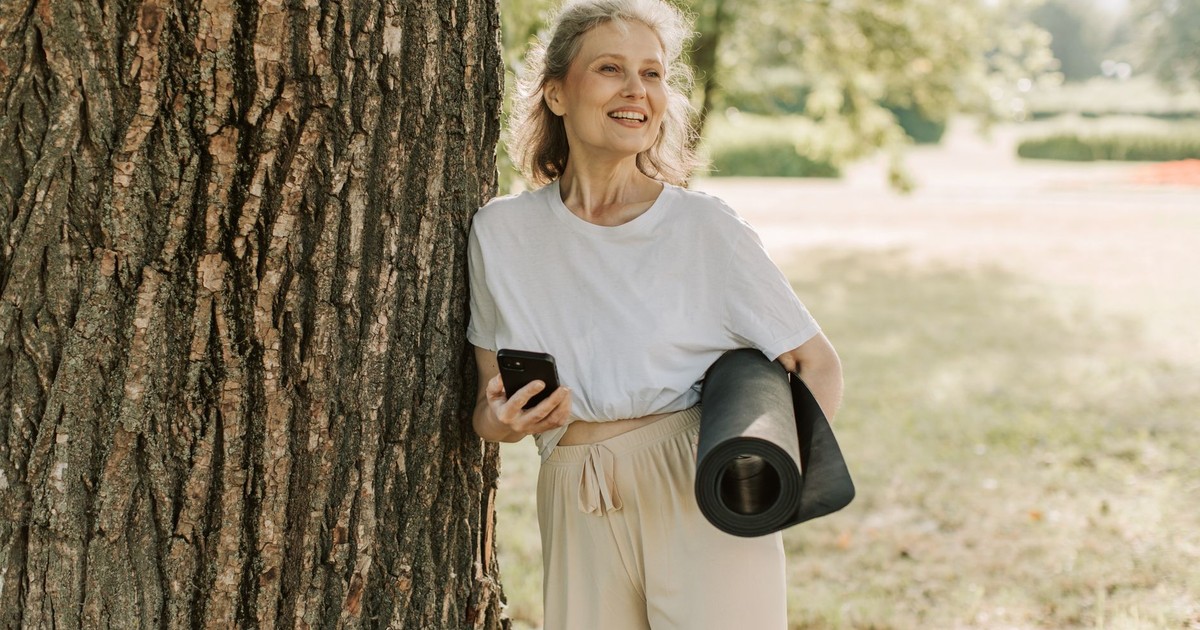

Moving to a new city at 65 to be near a grandchild, or remaining in a long-term home in a neighborhood that has gradually changed since the 1990s, can produce the same underlying condition: physical presence without social anchoring. In both cases, the surrounding environment no longer contains the accumulated relationships, routines, and informal recognition that typically sustain day-to-day connection. Familiar neighbors may have moved away, local institutions may have changed hands, and the informal “social map” that once made a place feel known is effectively reset.
This lack of embeddedness is often underestimated. Social belonging is not created simply by living somewhere; it is reinforced through repeated interactions over time, such as greetings at the same shops, regular community encounters, and shared local history. When those layers are missing, even a comfortable or attractive living situation can feel socially thin.
Here are 11 very honest and real reasons women over 60 often end up alone.
1. Widowhood and the Longevity Gap Reshape Social Structure After 60
One of the most common drivers of later-life solitude is simply demographic reality. Women, on average, live longer than men in most countries, which means many enter their 60s and 70s after the death of a long-term partner. When that happens, the daily architecture of life changes immediately: shared routines disappear, social calendars shrink, and in many cases, couple-based friendships become harder to maintain.
Widowhood is not only an emotional transition but a structural one. Many social environments are implicitly organized around couples, from dinner invitations to community events. Once a partner is gone, some women find themselves quietly phased out of those shared systems, not through rejection, but through inertia and shifting group dynamics.
2. Gray Divorce Dissolves Long-Term Social Ecosystems
Divorce after 50, often referred to as gray divorce, has become more common in recent decades. When long marriages end later in life, the impact extends beyond the couple. Shared friends, extended family ties, and long-standing community roles are often divided or diminished.
Unlike younger divorce, where rebuilding social networks is expected, later-life divorce can be followed by a narrower social field. Women may find that mutual friendships become strained, or that social invitations decrease as couples reorganize around new norms. Rebuilding is possible, but it requires energy and intentionality at a life stage when many people are also dealing with career transition or retirement.
3. Caregiving Years Can Quietly Deplete Social Connection
Many women spend significant portions of midlife as caregivers, whether for children, partners, or aging parents. While caregiving can be meaningful, it often comes at the expense of external social engagement. Friendships become harder to maintain when time is fragmented and emotional bandwidth is limited.
Over time, this can create a form of social erosion. By the time caregiving responsibilities end, the informal networks that once provided companionship may have weakened or dissolved. What remains is often a life that has been oriented toward others, with fewer reciprocal connections still active.
4. Retirement Removes One of the Most Consistent Social Anchors
Workplaces provide more than income. They provide routine contact, casual conversation, and a stable identity within a group. Retirement, even when welcomed, removes this daily social structure.
For women whose friendships were partly formed through work, retirement can expose how dependent their social world was on professional proximity. Without deliberate effort to replace that structure, days can become quieter than expected, especially if peers are still working or have relocated.
5. Friendship Networks Often Narrow Without Active Maintenance
Friendships in midlife and later life require sustained effort to maintain, particularly when people move, retire, or take on new responsibilities. Without regular contact, even strong relationships can fade gradually rather than abruptly.
Research in social psychology consistently shows that proximity and frequency of interaction are key drivers of friendship maintenance. When those conditions disappear, relationships tend to weaken unless intentionally reinforced. For many women, the cumulative effect of years of prioritizing family and work leaves fewer deeply maintained friendships by the time they reach later life.
6. Geographic Mobility Breaks Long-Standing Community Ties
Relocation in later life is increasingly common, whether to downsize, move closer to children, or access more affordable living arrangements. While the move may be practical, it often disrupts decades of embedded community ties.
Even within the same country or region, rebuilding a sense of belonging takes time. Informal support systems such as neighbors, local groups, and routine social spots are not immediately replaceable. The result is often a transitional period where a woman is physically present in a new location but not yet socially integrated.
7. Financial Constraints Limit Opportunities for Social Participation
Financial security plays a significant role in maintaining social connection in later life. Many social activities, from travel to dining out to joining organized groups, carry costs that can become restrictive on fixed incomes.
Women are statistically more likely to experience financial insecurity in older age due to lifetime wage gaps, caregiving interruptions, and longer life expectancy. This can narrow the range of accessible social environments, gradually reducing participation and increasing isolation.
8. Cultural Expectations Can Discourage Women From Actively Seeking Connection
Many women were socialized to prioritize others’ needs over their own and to view self-directed social effort as secondary. This can persist into later life, making it less likely that they will actively pursue new friendships or social opportunities after major life changes.
As a result, connection often depends on being invited rather than initiating. When existing networks weaken, this passive approach can leave gaps that are not quickly filled. Over time, the absence of initiation becomes a structural barrier to rebuilding social life.
9. Digital Exclusion Can Limit Access to Modern Social Networks
As more social interaction moves into digital spaces, from group messaging to community events organized online, lack of digital fluency can become a subtle but meaningful barrier. Older adults who are less comfortable with technology may miss invitations, updates, or opportunities for engagement that are primarily communicated online.
This is not simply a technical issue. It can also affect confidence and willingness to participate. When digital platforms become the default infrastructure for social coordination, those outside that system can become less visible in their own communities.
10. Health Changes Narrow the World in Gradual, Compounding Ways
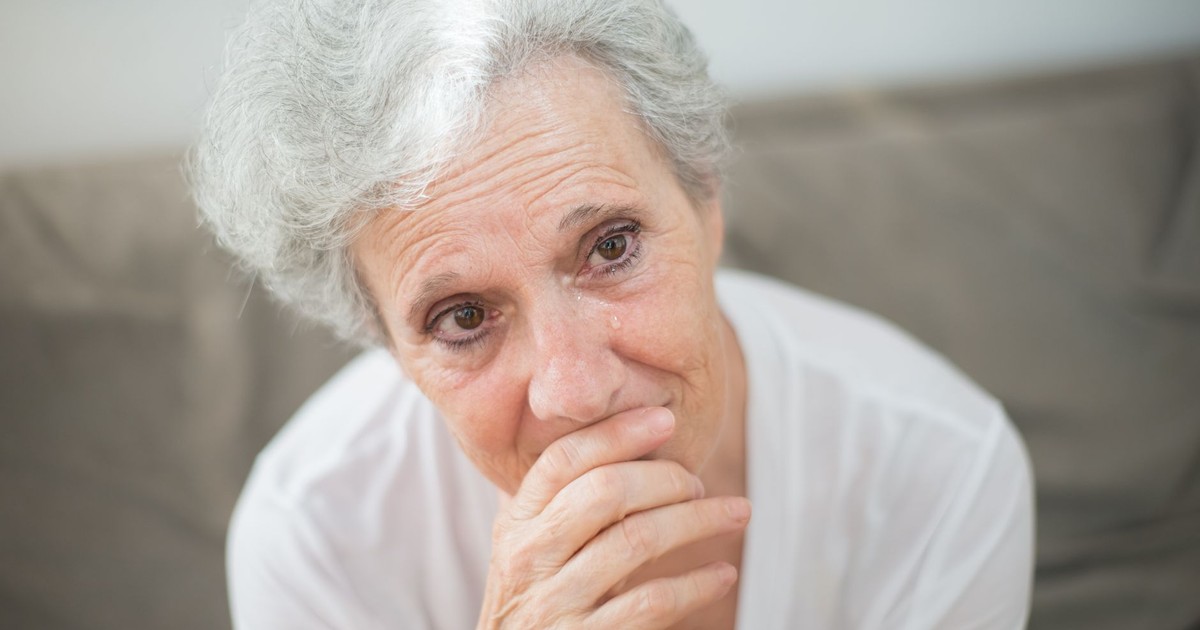
Chronic health conditions – arthritis, mobility limitations, hearing loss, vision changes, the long tail of cardiovascular disease – don’t arrive all at once. They accrete. Each limitation removes another avenue for the social engagement that keeps older adults connected: driving becomes more difficult, stairs become a problem, loud restaurants become impossible with hearing loss, travel begins to feel like more effort than reward. Nearly 4 in 10 seniors living alone have vision or hearing loss, difficulty caring for themselves, problems with cognition, or other disabilities.
For women who already live alone, health changes are particularly consequential because there is no partner to compensate for what becomes harder. The woman who can no longer drive needs someone else to take her places. The woman who moves more slowly needs a social life that accommodates that pace. Adapting requires either the resources to purchase help or the social capital to ask for it – and both of those are things that singlehood, financial constraint, and a lifetime of not asking for help tend to erode.
Women who build diverse, robust social networks before they need them – before a health event removes their ability to go out and make new friends – are consistently better positioned. That is easy to say from the outside, and much harder to act on in the middle of a life that keeps demanding everything you have.
11. A Lifetime of Putting Others First Can Leave a Woman a Stranger to Her Own Needs
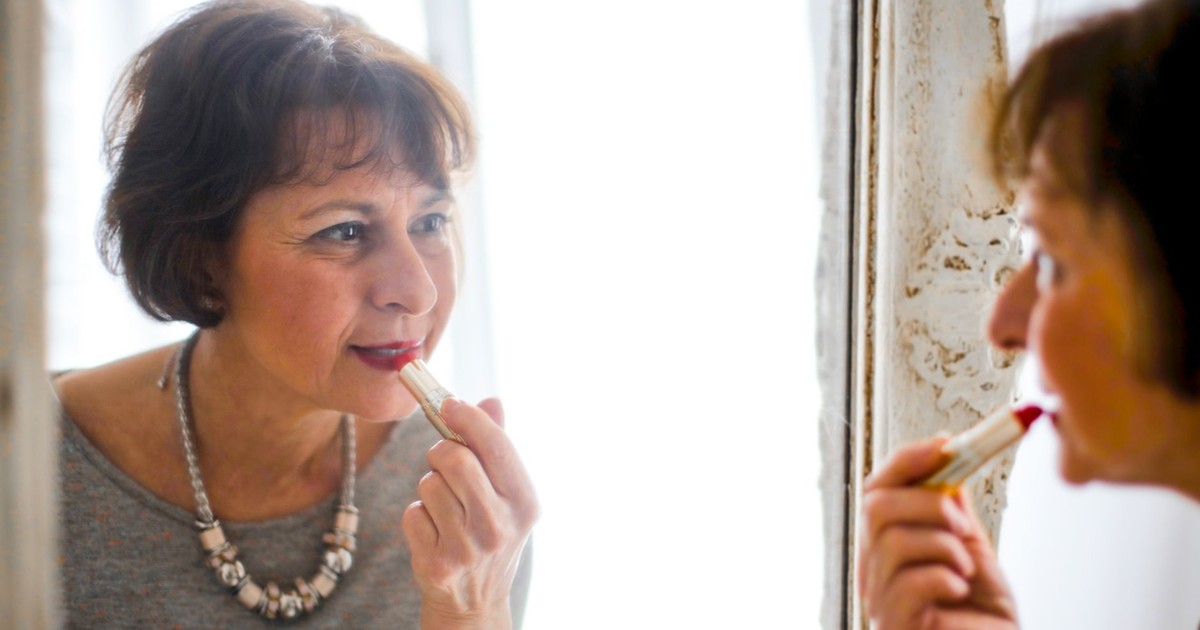
Many women who find themselves alone after 60 have spent forty or fifty years as the person who notices what other people need, responds to it, and receives far less in return. That is not a complaint; for many women, it was a choice they would make again. But it leaves a mark.
AARP’s most recent loneliness study, published in December 2025, found that 4 in 10 U.S. adults age 45 and older are lonely – up from 35 percent in both 2010 and 2018. Among women who spent decades as the emotional center of a family or community, loneliness in later life can arrive as something particularly disorienting: they knew how to be needed, but not necessarily how to ask, reach out, or create the conditions for connection on their own terms.
The woman who organized everyone else’s social life, managed everyone else’s holidays, and kept everyone else’s relationships warm often has no practice in doing those things for herself. When the family scatters, or the partner is gone, or the workplace empties out, she is left with a skill set pointed entirely outward. Redirecting it takes time, self-knowledge, and a willingness to be vulnerable in ways that a lifetime of caretaking taught her to avoid. That redirection is possible – but it doesn’t happen automatically, and it rarely happens fast.
Read More: 5 Mistakes to Avoid After Your Partner Passes Away (for Those Over 60)
What This Is Really About
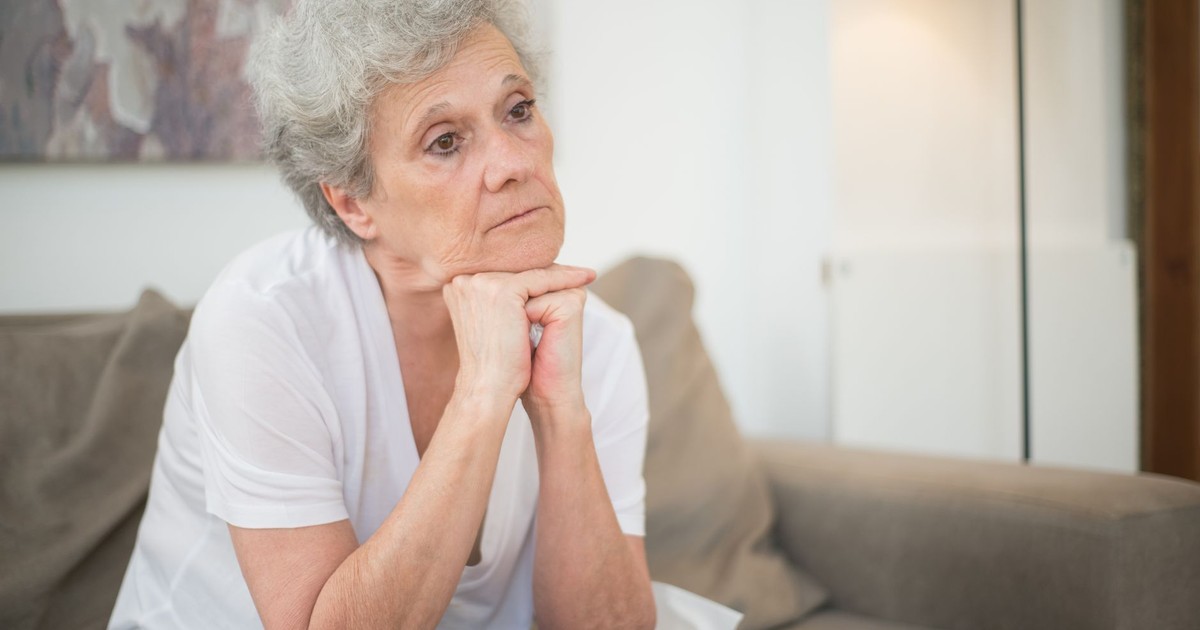
The statistics on women alone after 60 are striking, but they don’t capture the texture of the experience. Behind every data point is a woman who did what was expected of her – cared for her family, supported her husband’s career, held relationships together, absorbed losses without making too much noise – and arrived at 60 to find that the life she built had a significant hole in it.
None of these eleven reasons are her fault. They are the predictable consequence of systems, roles, and cultural expectations that were never designed with her later life in mind. The architecture of widowhood and caregiving and gray divorce doesn’t change because we can describe it accurately. But the aloneness so many women experience after 60 is not a personal failure. It is the downstream effect of a hundred ordinary choices, many of them made by people other than her, across a lifetime she mostly spent giving.
The archive of a life doesn’t disappear when a partner does, when the last child leaves, or when the job ends. It just needs a new address. Recognizing which forces shaped the silence is usually the first step toward deciding what to fill it with – on her own terms, and no one else’s.
Disclaimer: This information is not intended to be a substitute for professional medical advice, diagnosis, or treatment and is for information only. Always seek the advice of your physician or another qualified health provider with any questions about your medical condition and/or current medication. Do not disregard professional medical advice or delay seeking advice or treatment because of something you have read here.
AI Disclaimer: This article was created with the assistance of AI tools and reviewed by a human editor.