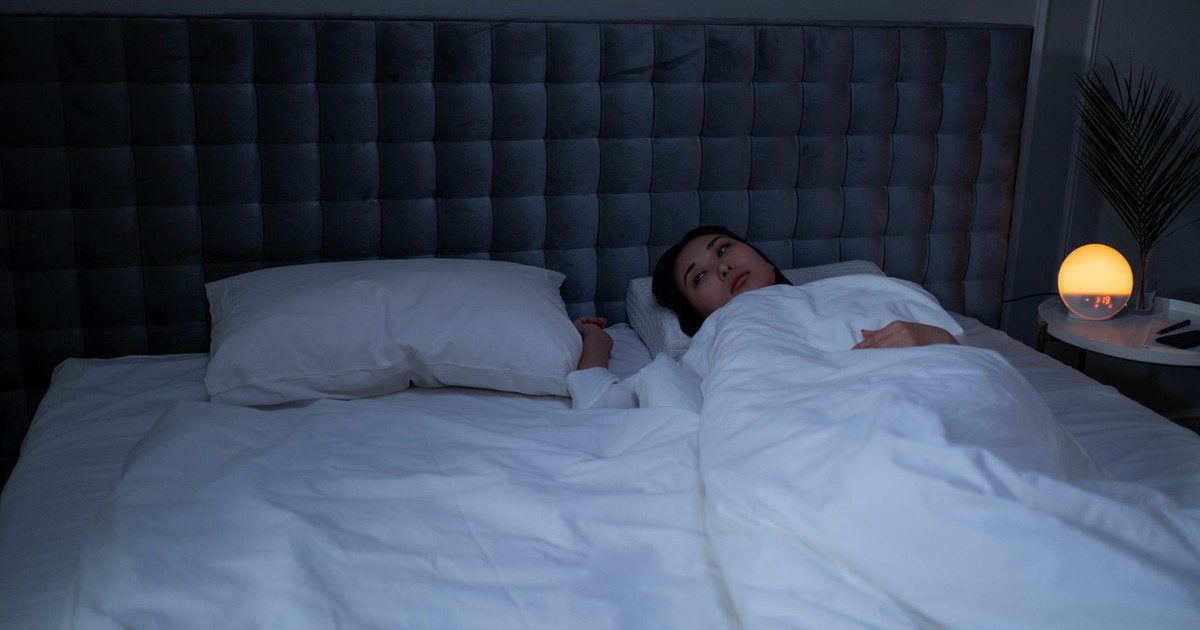

Nobody warns you about the 3 a.m. version of yourself. She’s been awake since 2:47, running through the same mental inventory she has no business running at that hour – the unanswered email, the thing someone said at dinner, the vague and sourceless dread that has no name but fills the entire room. She is not anxious, exactly. She is exhausted and wired at the same time, which is a special kind of miserable that most people cannot adequately describe without using profanity. And if she happens to be in her 40s or 50s, she probably kicked off the sheets twenty minutes ago because her body temperature decided, unilaterally, that 2 a.m. was the ideal moment to simulate a small internal furnace.
For millions of women, it is biology – specific, hormonal, measurable biology – playing out in the dark where nobody sees it and almost nobody talks about it. The connection between women, menopause, and sleep is one of the most thoroughly documented and thoroughly underdiscussed areas of women’s health.
This is an explanation of what is actually happening in the body, why it starts earlier than most women expect, what the stakes are when it goes unaddressed, and what the current research says is worth trying.
Why Sleep Gets Harder – and Why Menopause Is the Reason
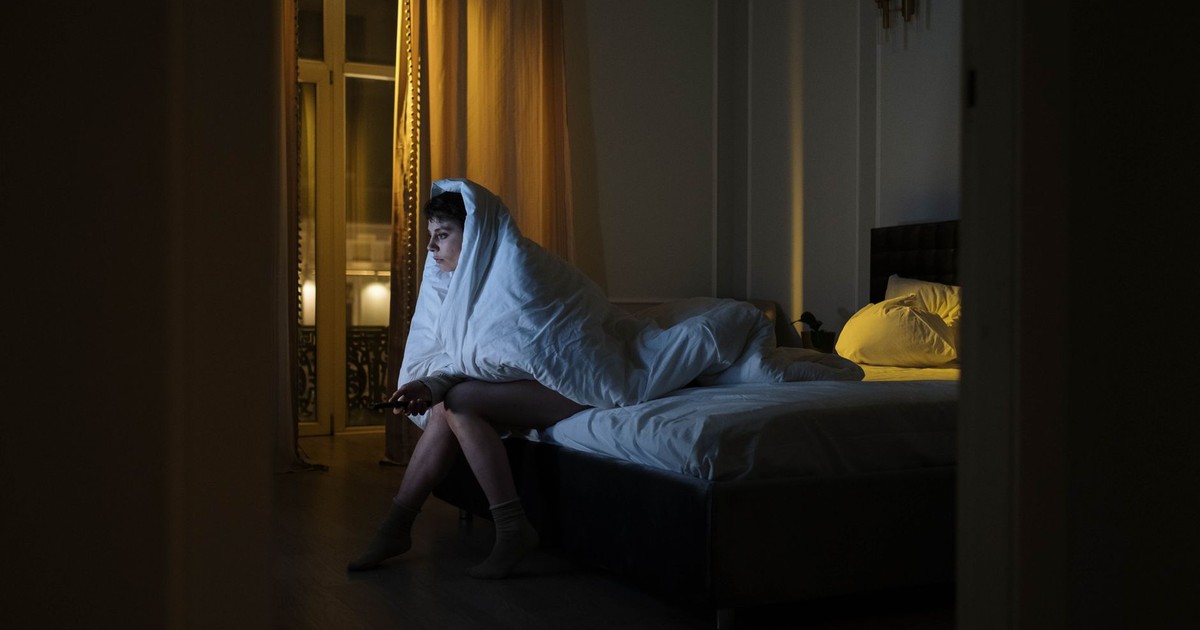
Sleep disturbance is one of the most common and debilitating symptoms experienced by women during the menopause transition. It has a specific biological cause, downstream consequences, and an increasingly well-researched body of evidence behind it.
The hormonal process starts with the ovaries. When they no longer produce adequate amounts of estrogen and progesterone during menopause, the loss of these hormones brings about vasomotor symptoms, including hot flashes and night sweats. Hot flashes are often thought of as a daytime problem – the sudden flush, the opened window, the fanning yourself at an inconvenient moment – but when they arrive at night, they become a sleep problem. The majority of women experience hot flashes during the menopause years.
Estrogen and progesterone are not just reproductive hormones. They are deeply embedded in how the brain manages temperature, mood, and the architecture of sleep itself. Estrogen affects the body’s ability to regulate temperature, and as levels drop, it leads to drenching night sweats. Estrogen also supports serotonin production, which influences mood and sleep. Progesterone has natural sedative effects, so its decline makes it harder to fall or stay asleep.
Progesterone enhances the brain’s use of gamma-aminobutyric acid (GABA) – a neurotransmitter that calms the nervous system and promotes relaxation. Since GABA levels can decline during menopause, progesterone’s departure may remove that calming effect and make it harder to fall and stay asleep. Losing the natural dimmer switch on the nervous system, right around the time everything else about midlife is turning the volume up.
It Starts Before You Think It Does

The sleep disruption doesn’t begin with menopause. It begins with perimenopause, the transitional phase that can start years – sometimes a decade – before periods actually stop. Perimenopause encompasses a range of vasomotor, urogenital, cognitive, and psychiatric symptoms associated with the fluctuation and gradual reduction of gonadal hormones. Hormones that are crashing and surging unpredictably are, in some ways, more disruptive to sleep than hormones that have simply settled at a lower level.
A woman at 44 who is still getting regular periods might also be lying awake at odd hours, wondering what is wrong with her. Often, nothing is wrong with her in the sense that something has broken. Her progesterone is declining earlier than her estrogen, which means the sleep architecture disruption starts on a quiet schedule, years before anyone hands her a diagnosis.
Insomnia symptoms affect up to 60 percent of peri- and postmenopausal women, according to data from the Women’s Health Initiative. And yet the experience of lying awake at 3 a.m., damp and wired, remains one of the most under-reported symptoms women bring to their doctors – partly because it feels embarrassing to admit that sleep, a thing you’ve been doing your whole life, has apparently become something you can no longer manage, and partly because women have been conditioned to file complaints like this under “stress” before anyone investigates further.
The Stakes Are Higher Than Tiredness

Sleep deprivation is annoying. Missing enough of it is dangerous. The research has moved well past fatigue – the brain fog, the mood, the inability to function at the level you used to. All real. All worth taking seriously. But the evidence now points to consequences that extend significantly further.
Cardiovascular disease is the leading cause of death in women, and up to 50 percent of women report sleep problems in midlife, according to data published in Circulation. That overlap is not coincidental.
A 2024 study published in Circulation and led by Rebecca Thurston at the University of Pittsburgh tracked women from midlife forward as part of the long-running Study of Women’s Health Across the Nation. Researchers examined trajectories of sleep over midlife and incident cardiovascular disease events, finding that persistent insomnia symptoms – alone and when combined with short sleep duration – were associated with up to a 75 percent increased risk of a cardiovascular disease event.
A November 2025 study from The Menopause Society found that trouble sleeping and obstructive sleep apnea were associated with increased odds of hypertension in postmenopausal women. The study involved more than 3,500 naturally postmenopausal women, and the results suggested a U-shaped relationship between sleep duration and hypertension – both insufficient and excessive sleep were associated with an increased risk.
Persistent insomnia, particularly short sleep duration, is associated with negative health outcomes, including cardiovascular disease risk, which also increases following the menopause transition. The body is running a double exposure during this window of life: hormonal changes that raise cardiovascular risk, and sleep disruptions that raise it further, often simultaneously.
There is also sleep apnea, which tends to be under-recognized in women partly because its symptoms present differently than they do in men. The hormonal changes that accompany perimenopause and menopause increase the risk of developing obstructive sleep apnea – a disorder where a blockage or narrowing of the airway disrupts breathing and causes nighttime waking. Women are more likely to report insomnia, fatigue, and mood changes as their primary complaints, which can obscure an underlying apnea diagnosis for years.
What Can Actually Help

Several treatment options exist for sleep disturbance associated with menopause, though the research aimed at refining and expanding them is still accelerating. What is available is a range of approaches with meaningful evidence behind them, none of which are a perfect universal fix, and all of which work better when someone actually explains them to you.
Hormone therapy remains one of the most studied options. Estrogen therapy can relieve the night sweats and hot flashes that fragment sleep, and progesterone – typically taken at night – has a more direct sedative action. Progesterone increases the activity of GABA, a neurotransmitter that promotes relaxation and sleep, and a key metabolite called allopregnanolone binds to GABA receptors, helping quiet the nervous system. The decision about hormone therapy is individual and involves weighing cardiovascular history, breast health, liver function, and symptom severity – a conversation for a doctor who is actually paying attention, not a one-size-fits-all prescription.
Cognitive behavioral therapy for insomnia, or CBT-I, is a structured program that addresses the thought patterns and behaviors that perpetuate poor sleep. CBT-I specifically combines behavioral changes with addressing negative thoughts associated with sleep. It is not glamorous – there is no pill, no supplement, no quick return – but the evidence for it in menopausal women is solid, and it is recommended as a first-line treatment for insomnia by most major sleep organizations.
Sleep hygiene is the advice everyone is already tired of hearing, but there are specific menopause-relevant adaptations that go beyond the standard recommendations. Keeping the bedroom cool matters more during this phase than it did before, because the thermoregulatory system is genuinely less stable. The British Menopause Society recommends exercising regularly, but not within two hours of going to bed, and understanding that the average sleep need is six to eight hours but varies individually. Alcohol, often reached for as a relaxant, tends to fragment sleep in the second half of the night – which is precisely when menopausal women are already most likely to wake.
What Nobody Says Out Loud

The effects of sleep deprivation extend far beyond how you feel in the morning – and when those effects stack on top of the cognitive and mood changes that menopause already brings, the combined weight is significant. Memory, concentration, emotional regulation, patience, resilience: all of these are genuinely impaired by insufficient sleep, not metaphorically impaired in a “I just need coffee” way, but impaired in ways that research can measure.
What often doesn’t get named is how isolating this is. The 3 a.m. arithmetic – adding up the hours, calculating whether six will be enough, checking the clock again at 4:17 – happens alone. A lot of women are quietly managing something that has a real physiological explanation, through a phase of life that medicine has historically treated as an afterthought, and they have been doing it without nearly enough information or support.
The research is accelerating. The past two years have produced more rigorous work on women, menopause, and sleep than the previous decade combined. Clinicians are paying more attention. The conversation is moving.
There is no single solution, no protocol that works for everyone, and no shortcut through the biology. Some women find that hormone therapy changes their sleep so dramatically that they wish they’d asked about it years earlier. Others find the most traction with CBT-I. Others make targeted lifestyle adjustments and get meaningful improvement without either. Most find some combination of all three, arrived at through trial, error, a few frustrating appointments, and eventually someone who actually listens.
The Part Nobody Schedules Time For

Between the appointment that took three months to get and the pamphlet about sleep hygiene someone slid across the desk, the exhaustion of managing this alone, without anyone naming it correctly, has its own cost. Women going through disrupted sleep during menopause are not just tired. They are tired while also being told, implicitly or explicitly, that this is simply what midlife looks like. That framing does real damage.
Some of the patterns that make sleep worse during this phase – the hypervigilance, the 3 a.m. thought spirals, the inability to switch off a nervous system that lost its natural braking help when progesterone declined – go back to the biology, not to personal failure. Naming that is not a cure. But it tends to be where a more useful conversation finally starts, and it changes what a woman asks for when she eventually does walk into a doctor’s office.
The 3 a.m. version of yourself is not broken. She is dealing with something real, in a body that is doing something real, and she deserves more than “have you tried melatonin.”
Disclaimer: This information is not intended to be a substitute for professional medical advice, diagnosis, or treatment and is for information only. Always seek the advice of your physician or another qualified health provider with any questions about your medical condition and/or current medication. Do not disregard professional medical advice or delay seeking advice or treatment because of something you have read here.
AI Disclaimer: This article was created with the assistance of AI tools and reviewed by a human editor.